Sony Raises PlayStation 5 Price by $100 in the US Amid Rising Costs and Market Pressures
 Taniska Kumari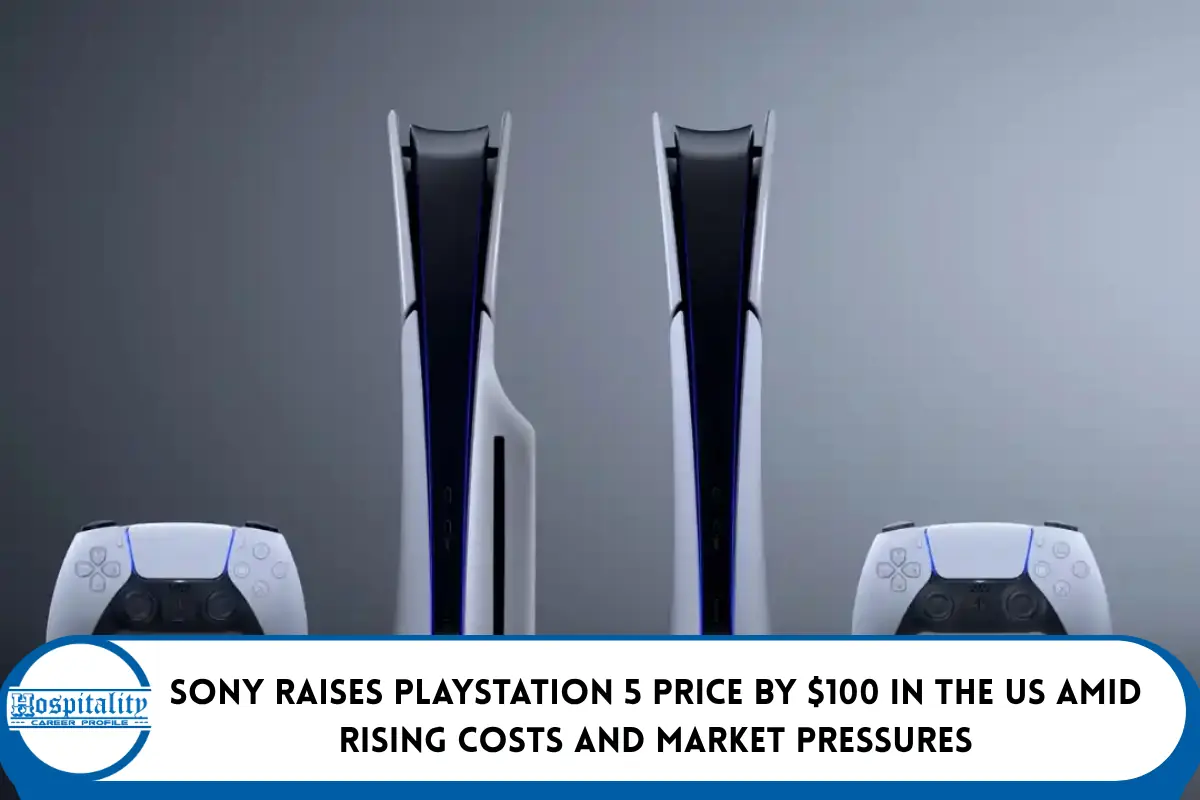
Sony has raised the price of its flagship gaming console, the PlayStation 5, by $100 in the United States in 2026, marking a significant shift in pricing strategy as the company responds to rising production costs and evolving market conditions. The decision affects both new buyers and the broader gaming market, where pricing stability has traditionally been expected during a console’s lifecycle.
Price Increase Announced in the US Market
Sony confirmed that the PlayStation 5 will now retail at a higher price point in the United States, reflecting a $100 increase compared to its previous pricing. The adjustment applies across key variants of the console, including both standard and digital editions, depending on availability.
The move comes several years after the console’s initial launch, a period during which hardware prices typically remain stable or decline due to economies of scale and technological maturation. Sony’s decision therefore represents a notable departure from industry norms.
Rising Costs Drive Decision
The company cited rising costs as a primary factor behind the price hike. These include increased expenses related to manufacturing, supply chain logistics, and component sourcing. Global economic pressures, including inflation and fluctuating currency exchange rates, have also contributed to higher operational costs.
Semiconductor pricing and supply constraints have been particularly impactful, as gaming consoles rely heavily on advanced chips and hardware components. Although supply conditions have improved compared to earlier years, cost pressures remain significant.
Sony indicated that the adjustment is necessary to maintain profitability while continuing to invest in product development, services, and the broader PlayStation ecosystem.
Impact on Consumers
For consumers, the price increase means a higher entry cost into the PlayStation ecosystem, potentially affecting purchasing decisions. The PS5 has remained one of the most in-demand gaming consoles, with strong sales driven by exclusive titles and a growing library of games.
However, a higher price point could influence demand, particularly among price-sensitive buyers or those considering alternative platforms. The timing of the increase may also impact seasonal sales and promotional strategies.
Retailers are expected to adjust pricing accordingly, although discounts or bundled offers could help offset the impact for some consumers.
Industry Context and Competitive Landscape
The gaming industry has traditionally followed a pattern where console prices decrease over time as production becomes more efficient. Sony’s decision to raise prices contrasts with this trend, highlighting the unique economic challenges currently facing hardware manufacturers.
Competitors in the gaming space, including other console makers and PC gaming platforms, may monitor the impact of Sony’s move closely. Pricing strategies play a critical role in maintaining market share, particularly in a competitive landscape where consumers have multiple options.
The decision could also influence how other companies approach pricing in the future, especially if similar cost pressures persist across the industry.
PlayStation Ecosystem Remains Strong
Despite the price increase, Sony continues to emphasize the value of the PlayStation ecosystem, which includes exclusive game titles, subscription services, and a large global user base. The PS5 has been a central component of this ecosystem, driving engagement and revenue across multiple segments.
The company has invested heavily in game development, partnerships, and digital services to enhance the overall user experience. These efforts are aimed at maintaining strong demand even as hardware prices rise.
Sony’s strategy suggests that it is prioritizing long-term growth and ecosystem expansion over short-term sales volume, leveraging the strength of its brand and content offerings.
Economic Pressures on the Gaming Industry
The price hike reflects broader economic pressures affecting the global technology sector. Inflation, supply chain disruptions, and geopolitical factors have increased costs for manufacturers across industries, including gaming.
For console makers, balancing affordability with profitability has become increasingly challenging. Hardware is often sold at slim margins, with companies relying on software sales and services to generate revenue.
In this context, raising prices may be seen as a necessary adjustment to ensure financial sustainability, particularly as development costs for games and hardware continue to rise.
Potential Market Reactions
Market reactions to the price increase are expected to vary. Some consumers may accept the higher price due to the console’s popularity and the strength of its game lineup, while others may delay purchases or explore alternatives.
Analysts suggest that demand for the PS5 is likely to remain resilient in the near term, given its established position in the market. However, sustained higher prices could influence long-term sales trends.
The decision may also affect secondary markets, including resale platforms, where pricing dynamics could shift in response to the official increase.
Future Outlook for Console Pricing
Sony’s move raises questions about the future of console pricing in an environment of rising costs. If similar pressures continue, other manufacturers may consider price adjustments, potentially reshaping industry norms.
At the same time, companies may explore alternative strategies to manage costs, such as optimizing supply chains, improving manufacturing efficiency, or increasing reliance on digital distribution and services.
The balance between affordability and profitability will remain a key challenge for the industry as it navigates evolving economic conditions.
Conclusion
Sony’s decision to raise PlayStation 5 prices in the United States marks a significant shift in console pricing strategy, reflecting ongoing cost pressures while testing consumer willingness to absorb higher prices in a competitive gaming market.