Indian and Global Partners Launch New Initiatives to Combat Extreme Heat in South Asia
Indian, regional, and global partners have launched new initiatives to address rising extreme heat risks in South Asia, focusing on climate resilience, public health protection, and community adaptation.
 Akanksha jain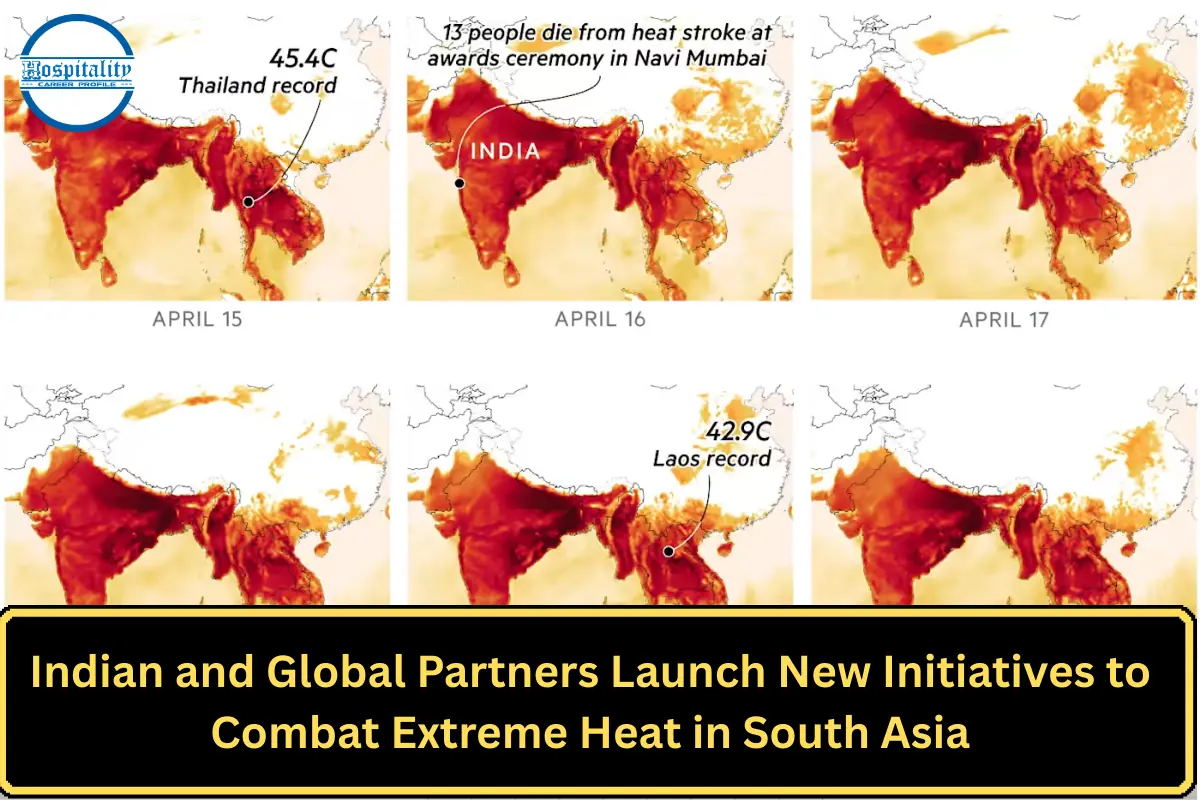
New Collaborative Efforts Target Escalating Heat Risks in South Asia
Indian, regional, and global partners have announced new initiatives aimed at addressing the growing threat of extreme heat across South Asia. As temperatures rise and heatwaves become more frequent and intense, the collaborative effort seeks to strengthen climate resilience, protect vulnerable communities, and reduce heat-related health risks.
South Asia has emerged as one of the regions most affected by extreme heat events, with prolonged heatwaves placing pressure on public health systems, infrastructure, and livelihoods. The newly launched initiatives aim to scale up solutions that improve preparedness and adaptive capacity at both local and regional levels.
Focusing on Heat Resilience and Public Health
The initiatives emphasize the importance of protecting populations most vulnerable to extreme heat, including outdoor workers, elderly individuals, children, and low-income communities. Strategies include expanding early warning systems, improving access to cooling solutions, and strengthening public awareness campaigns.
Public health authorities are also working to integrate heat action plans into broader climate adaptation strategies. These plans typically involve coordinated responses among healthcare facilities, emergency services, and local governments during heatwave events.
Strengthening Urban and Community-Level Adaptation
Climate-Responsive Urban Planning
Urban areas in South Asia are particularly susceptible to heat stress due to dense populations and limited green cover. The initiatives support climate-responsive urban planning measures such as expanding tree canopy coverage, enhancing reflective building materials, and improving water access.
Community Engagement and Local Solutions
Community-based approaches are central to the strategy. Local organizations and governments are being encouraged to tailor solutions to specific regional needs, ensuring culturally appropriate and sustainable interventions.
Regional and Global Collaboration
The effort brings together stakeholders from India and across the region with international partners to share knowledge, mobilize resources, and scale proven heat mitigation models. Collaborative research and data sharing are expected to strengthen regional preparedness and policy coordination.
By aligning climate resilience goals with health system planning, the initiatives aim to create long-term structural improvements that reduce the impact of rising temperatures.
Addressing the Broader Climate Challenge
Extreme heat is increasingly recognized as a critical public health and development challenge. Prolonged exposure can lead to heat-related illnesses, reduced productivity, and economic losses. Strengthening adaptive capacity is therefore seen as essential for safeguarding both human health and economic stability.
The newly launched programs are positioned as part of a broader commitment to climate adaptation and sustainable development in South Asia.
Conclusion
The launch of these initiatives marks a coordinated step toward addressing one of the region’s most urgent climate threats. By focusing on resilience, public health, and community-level solutions, Indian and global partners aim to mitigate the escalating risks posed by extreme heat.
Sustained collaboration and investment will be crucial to ensuring that vulnerable populations are protected as climate patterns continue to evolve.