South Bengal’s Distinct Political Culture Shapes Electoral Battle Ahead of State Polls
South Bengal’s unique political landscape, marked by elite influence and Nabanna-centric governance, is shaping strategies and voter dynamics ahead of the upcoming state elections.
 SANJANA DUTTA
Distinct Political Identity Defines South Bengal Ahead of Elections
South Bengal’s unique political culture, shaped by elite influence and a governance model centered around Nabanna, is playing a decisive role in shaping the electoral landscape ahead of the upcoming West Bengal assembly elections. Political parties are recalibrating their strategies to address the region’s distinct voter expectations and socio-political dynamics.
The region, which includes key urban and semi-urban districts, has historically exhibited political behavior different from other parts of the state. Analysts say this divergence stems from a combination of administrative centralization, socio-economic factors, and evolving voter priorities.
Nabanna-Centric Governance and Its Influence
Nabanna, the administrative headquarters of the West Bengal government, has emerged as a focal point of political discourse in South Bengal. The concentration of decision-making power in the state secretariat has contributed to a governance model that significantly influences political narratives in the region.
Political observers note that policies and administrative actions originating from Nabanna often dominate public debate, shaping perceptions of governance efficiency and accountability. This centralization has also led to criticism from opposition parties, who argue that it sidelines local leadership and grassroots concerns.
For ruling parties, however, the Nabanna-centric approach provides a platform to showcase administrative achievements and development initiatives, which are key elements of their campaign messaging.
Debate Over Elitism in Political Engagement
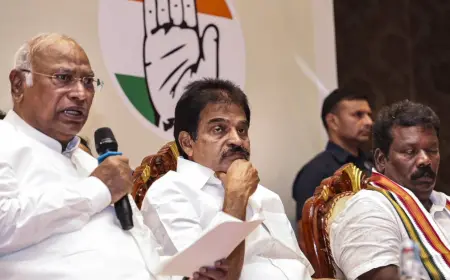
The role of elitism in South Bengal’s political ecosystem has become a subject of increasing debate. Critics argue that sections of the political class, particularly within traditional parties such as the Congress, have struggled to connect with grassroots voters due to perceptions of elitist leadership.
This perception has influenced voter behavior, particularly among younger and economically diverse demographics, who are seeking more inclusive and accessible political representation. As a result, parties are being pushed to adopt more localized and participatory approaches to campaigning.
Political strategists suggest that bridging the gap between leadership and the electorate will be crucial for parties aiming to gain traction in the region.
Urban Voters and Changing Priorities
South Bengal’s urban and semi-urban electorate is increasingly focused on issues such as employment, infrastructure, public services, and economic opportunities. These concerns are shaping campaign narratives, with parties emphasizing policy proposals aimed at addressing urban challenges.
The region’s voters are also more exposed to digital media and information, leading to higher levels of political awareness and engagement. This has made campaigns more competitive, as parties must respond quickly to public sentiment and emerging issues.
Experts note that urban voters in South Bengal tend to evaluate candidates based on performance and governance rather than traditional party loyalties, adding another layer of complexity to the electoral contest.
Contrast with Other Regions of West Bengal
The political dynamics in South Bengal stand in contrast to those in northern and rural parts of the state, where local issues, community networks, and traditional affiliations often play a more prominent role in influencing voter behavior.
This regional variation has compelled political parties to adopt differentiated strategies, tailoring their messaging and outreach efforts to suit the specific characteristics of each area. In South Bengal, this means focusing on governance, policy outcomes, and administrative efficiency.
The contrast highlights the diversity of West Bengal’s political landscape and the challenges parties face in building a cohesive statewide campaign.
Role of Opposition and Emerging Narratives
Opposition parties are seeking to capitalize on perceived gaps in governance and public dissatisfaction with centralized decision-making. By highlighting issues such as bureaucratic inefficiencies and lack of local representation, they aim to resonate with voters seeking change.
At the same time, emerging political narratives are focusing on inclusivity, transparency, and accountability. These themes are gaining traction among voters who are increasingly demanding greater participation in decision-making processes.
The ability of opposition parties to effectively communicate these narratives will be a key factor in determining their success in South Bengal.
Campaign Strategies Evolve
Political campaigns in South Bengal are becoming more sophisticated, incorporating data-driven strategies, targeted outreach, and digital engagement. Parties are leveraging social media platforms to connect with voters, disseminate information, and counter rival narratives.
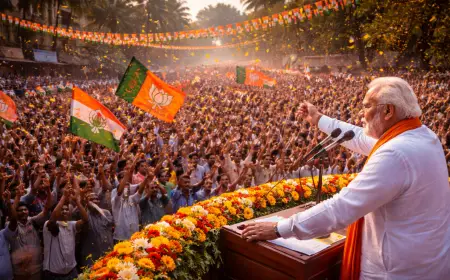
Door-to-door campaigns, public meetings, and community engagement initiatives continue to play a vital role, particularly in building trust and establishing personal connections with voters. Candidates are also focusing on addressing local concerns to strengthen their appeal.
The evolving nature of campaigning reflects broader changes in the political landscape, where adaptability and responsiveness are increasingly important.
Implications for Election Outcomes
The distinct political culture of South Bengal is expected to have a significant impact on the overall outcome of the state elections. Given the region’s electoral importance, shifts in voter preferences here could influence the balance of power in the assembly.
Political analysts emphasize that success in South Bengal will require a nuanced understanding of its unique dynamics, including the interplay between governance, socio-economic factors, and voter expectations.
Parties that can effectively address these factors are likely to gain a competitive edge in the الانتخابات.
Conclusion
As West Bengal heads toward a crucial electoral contest, South Bengal’s distinct political identity continues to shape strategies and voter engagement.
Current Status
With campaigning intensifying, political parties are focusing on refining their approaches to align with the region’s evolving political landscape and voter priorities.