South Sudan Students Debate Country’s Political Future During International Women’s Day Event
Students in South Sudan debated the country’s political future during an International Women’s Day event organized with support from the United Nations Mission in South Sudan, highlighting youth participation, gender equality, and the peace process.
 SANJANA DUTTA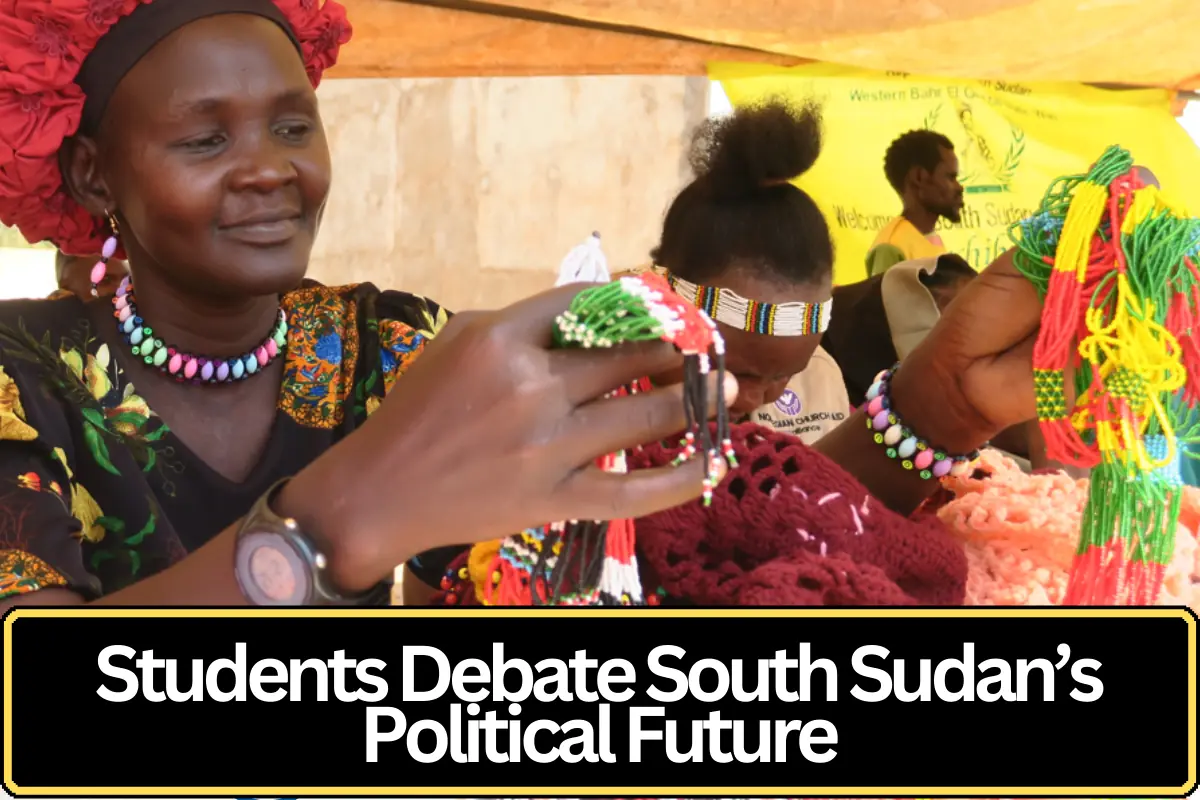
South Sudan Students Debate Political Future During International Women’s Day Event
Young students in South Sudan gathered for a public debate on the country’s political future as part of activities marking International Women’s Day. The event, supported by the United Nations Mission in South Sudan (UNMISS), brought together students, educators, and community representatives to discuss governance, equality, and the role of youth in shaping the country’s future.
The debate provided a platform for students to exchange ideas on leadership, democratic participation, and the importance of gender equality in political decision‑making. Organizers said the initiative was designed to encourage young people to think critically about the country’s political direction while promoting awareness of women’s rights and inclusive governance.
South Sudan, the world’s youngest nation, continues to face political and social challenges following years of conflict and delayed political transitions. Events like the student debate are part of broader efforts by international organizations and local institutions to promote civic engagement and peaceful dialogue among young citizens.
Students Discuss Governance, Equality, and Leadership
The debate involved students from local schools who presented arguments and perspectives on issues affecting South Sudan’s political development. Topics included the importance of democratic participation, gender equality in leadership roles, and the responsibilities of future political leaders.
Participants spoke about the need for stronger institutions, transparent governance, and inclusive political systems that reflect the diversity of South Sudanese society. Several students emphasized that youth voices should be included in national conversations about policy and development.
Organizers said the debate format allowed students to practice critical thinking and public speaking while exploring complex political questions facing their country. The event encouraged respectful dialogue and the exchange of ideas, reflecting principles associated with democratic participation.
By discussing political issues in an educational environment, students were able to examine how leadership decisions affect communities, economic development, and national stability.
International Women’s Day Highlights Gender Equality
The debate was organized as part of activities commemorating International Women’s Day, which focuses on gender equality, women’s rights, and the participation of women in leadership. In South Sudan, these issues remain central to discussions about political reform and social progress.
International Women’s Day events across the country have increasingly focused on the need for greater representation of women in politics, government, and peacebuilding initiatives. Advocates say that women’s participation in decision‑making processes can contribute to more inclusive policies and stronger institutions.
During the debate, students discussed how gender equality could influence South Sudan’s future political landscape. Many speakers highlighted the importance of education for girls and the need to remove barriers that limit women’s access to leadership positions.
The conversation reflected broader international efforts to promote equal participation in political systems and to ensure that women are represented in governance structures.
United Nations Mission Supports Youth Engagement
The United Nations Mission in South Sudan has played an active role in supporting youth engagement initiatives across the country. Through workshops, debates, and community forums, the mission encourages young people to participate in discussions about peace, governance, and development.
UNMISS officials say youth participation is essential for long‑term stability in South Sudan. The country has a large youth population, and many young citizens are seeking opportunities to contribute to political dialogue and nation‑building.
Programs involving schools and universities aim to strengthen civic awareness and promote democratic values among the next generation of leaders. By encouraging debate and discussion, organizers hope to create a culture of dialogue that can support peaceful political processes.
International partners have also supported educational initiatives designed to increase awareness about constitutional development, elections, and civic rights.
South Sudan’s Political Transition
South Sudan gained independence in 2011 following decades of conflict. However, the country soon experienced political tensions that led to a civil war beginning in 2013. The conflict caused widespread displacement, economic disruption, and humanitarian challenges.
In 2018, political leaders signed a revitalized peace agreement intended to end the conflict and establish a transitional government. The agreement included provisions for political reforms, security arrangements, and preparations for national elections.
Implementation of the peace agreement has been gradual and complex. Political institutions continue to work on constitutional reforms, electoral laws, and governance structures required for future elections.
International organizations, including the United Nations, continue to support these efforts through peacekeeping operations, mediation initiatives, and civic education programs.
Youth Voices in the Political Process
Young people represent a significant portion of South Sudan’s population, making youth engagement an important element of the country’s political development. Many organizations have emphasized the need to involve students and young professionals in discussions about governance and policy.
Debates and educational forums are viewed as practical ways to encourage participation and develop leadership skills among youth. These initiatives also provide opportunities for students to learn about political institutions, peace agreements, and democratic processes.
Participants in the International Women’s Day debate highlighted the responsibility of young citizens to contribute to national development. Several students said that education and open dialogue can help address social divisions and build stronger communities.
The debate also encouraged students to think about how future leaders can promote peace, equality, and economic progress.
Education as a Tool for Political Awareness
Educational institutions in South Sudan increasingly serve as spaces for civic learning and political awareness. Schools and universities often host events that explore topics such as governance, human rights, and national unity.
Teachers and organizers say that debates and public discussions help students understand how political decisions influence everyday life. By analyzing policy issues, young people can develop informed opinions and become active participants in civic life.
Programs supported by international organizations often combine education with community engagement. These initiatives aim to strengthen the relationship between schools and broader social institutions.
For many students, participating in debates is also an opportunity to practice leadership and communication skills that will be important in future professional and civic roles.
Challenges Facing South Sudan
Despite progress in political dialogue, South Sudan continues to face challenges related to governance, economic development, and security. Political reforms and peace implementation remain ongoing priorities for the transitional government.
Communities across the country are also addressing issues such as access to education, gender equality, and economic opportunities. International organizations and local civil society groups are working together to support programs that promote social stability and development.
Youth initiatives, including debates and civic forums, are considered important tools for building a culture of participation and accountability.
Encouraging open discussion about political issues can help create a more informed and engaged population.
Role of Women in South Sudan’s Political Future
Women’s participation in political and peace processes remains a key focus of international and local advocacy efforts in South Sudan. Activists and community leaders continue to call for stronger representation of women in government institutions.
The revitalized peace agreement includes provisions intended to increase women’s representation in political structures. However, implementation of these commitments continues to face practical and social challenges.
Events connected to International Women’s Day provide opportunities to highlight these issues and promote dialogue about gender equality in leadership.
Students participating in the debate emphasized that empowering women through education and political participation could strengthen the country’s democratic institutions.
Importance of Dialogue for Peacebuilding
Peacebuilding efforts in South Sudan often emphasize the importance of dialogue and inclusive participation. Encouraging citizens to discuss political issues openly can help build trust and reduce tensions within communities.
Debate programs in schools and universities are seen as a practical method for teaching conflict resolution and critical thinking. By engaging with complex topics, students learn how to evaluate different perspectives and develop balanced arguments.
Organizers say that encouraging respectful debate at a young age can help foster a culture of democratic engagement in the future.
Such initiatives also reinforce the idea that political decisions should involve input from diverse groups across society.
Looking Ahead
The student debate held during International Women’s Day reflects growing efforts to involve young people in conversations about South Sudan’s future. Educational initiatives supported by international organizations aim to strengthen civic awareness and promote inclusive governance.
As the country continues its political transition, youth engagement and gender equality are likely to remain important themes in national discussions. Students participating in events like this debate represent a generation that will play a central role in shaping South Sudan’s political and social development.
Organizers say the event demonstrated that young citizens are ready to contribute ideas and participate in dialogue about the future of their country.
By encouraging education, discussion, and civic participation, initiatives such as this debate seek to support a more inclusive and peaceful political environment in South Sudan.