Startups and Healthcare Sectors Drive India’s Workforce Growth by 4.7 Percent
India’s workforce grows 4.7% driven by strong hiring in startups and healthcare sectors, reflecting evolving employment trends and economic resilience.
 RUKAIYA KADIVAL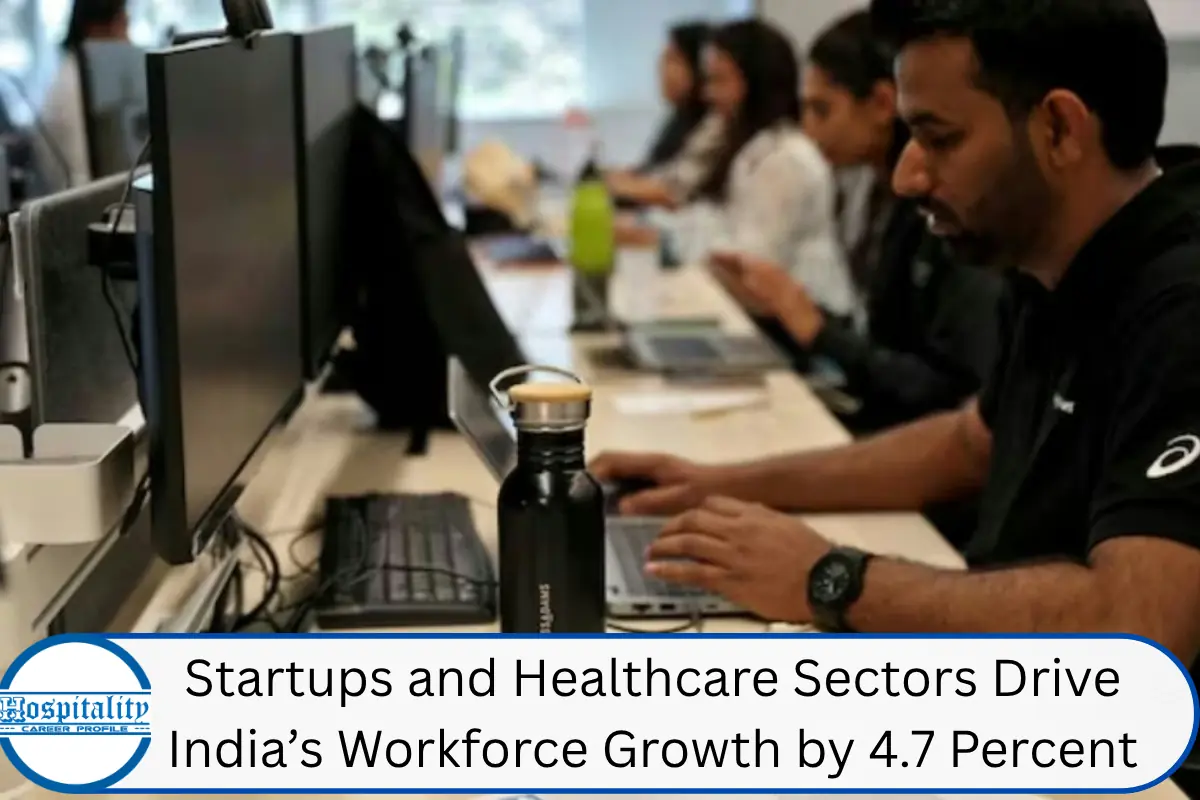
Startups and Healthcare Sectors Drive India’s Workforce Growth by 4.7 Percent
India’s workforce expanded by 4.7 percent in the latest assessment period, driven primarily by strong hiring activity in the startup ecosystem and the healthcare sector, according to recent data. The growth, observed across major urban and emerging economic hubs, reflects changing employment trends and the resilience of key industries amid evolving economic conditions.
The expansion in employment comes at a time when India’s economy is navigating global uncertainties while maintaining steady domestic growth. Startups and healthcare organizations have emerged as major contributors to job creation, responding to rising demand for innovation, digital services, and medical infrastructure.
Analysts note that this growth signals a structural shift in India’s job market, with new-age industries playing a more prominent role in employment generation.
Startup Ecosystem Fuels Job Creation
The startup sector has been a key driver of workforce expansion, with companies across technology, fintech, e-commerce, and artificial intelligence increasing hiring to support business growth. As startups continue to scale operations and attract investment, demand for skilled professionals has risen significantly.
Hiring has been particularly strong in roles related to software development, data analytics, product management, and digital marketing. The emphasis on innovation and rapid expansion has created opportunities for both fresh graduates and experienced professionals.
The startup ecosystem’s contribution to employment highlights its growing importance in the broader economic landscape, as it complements traditional industries and drives technological advancement.
Healthcare Sector Sees Sustained Hiring
The healthcare sector has also played a crucial role in workforce growth, supported by increasing demand for medical services, infrastructure expansion, and a heightened focus on public health. Hospitals, diagnostic centers, pharmaceutical companies, and health-tech firms have all contributed to job creation.
Demand has been strong for doctors, nurses, technicians, and administrative staff, as well as professionals in telemedicine and digital health platforms. The sector’s expansion reflects long-term trends, including population growth, rising health awareness, and increased investment in healthcare systems.
Experts believe that healthcare will remain a consistent source of employment growth, given its essential role in the economy and society.
Urban and Emerging Hubs Lead Growth
Workforce expansion has been concentrated in major metropolitan areas such as Bengaluru, Mumbai, Delhi-NCR, and Hyderabad, as well as emerging hubs in Tier-II cities. These regions have seen increased business activity and infrastructure development, attracting companies and talent alike.
The growth in Tier-II cities is particularly notable, as it reflects a decentralization of economic activity and the expansion of job opportunities beyond traditional urban centers. Improved connectivity, digital infrastructure, and government initiatives have supported this trend.
This geographic diversification is expected to contribute to more balanced economic development across the country.
Shift Toward Skilled Employment
The current phase of workforce growth is characterized by a shift toward skilled and knowledge-based employment. Industries such as technology and healthcare require specialized expertise, leading to increased demand for education, training, and upskilling.
Employers are prioritizing candidates with technical skills, problem-solving abilities, and adaptability, reflecting the changing nature of work. This trend has also led to greater collaboration between industry and educational institutions to align skill development with market needs.
The emphasis on skills is expected to shape future employment patterns and influence workforce dynamics.
Impact of Digital Transformation
Digital transformation has been a major factor driving job creation, particularly within startups and healthcare organizations. The adoption of digital tools, platforms, and services has created new roles and expanded existing ones.
In the healthcare sector, telemedicine, electronic health records, and AI-driven diagnostics have opened up opportunities in both clinical and non-clinical roles. Similarly, startups leveraging digital technologies have created jobs across multiple functions.
The continued integration of technology into business operations is expected to sustain employment growth in the coming years.
Challenges in Workforce Expansion
Despite the positive growth, challenges remain in ensuring sustainable employment expansion. Skill gaps, regional disparities, and the need for continuous upskilling are key issues that need to be addressed.
Employers have reported difficulties in finding candidates with the required skill sets, particularly in specialized roles. Addressing these gaps will require coordinated efforts from government, industry, and educational institutions.
Ensuring inclusive growth and equitable access to job opportunities will also be critical for long-term workforce development.
Role of Policy and Investment
Government policies and investment initiatives have played a supportive role in driving workforce growth. Programs aimed at promoting startups, improving healthcare infrastructure, and enhancing skill development have contributed to job creation.
Increased investment in digital infrastructure and innovation has further strengthened the employment landscape. Continued policy support is expected to sustain momentum and encourage further expansion in key sectors.
Stakeholders emphasize the importance of maintaining a favorable business environment to support job creation and economic growth.
Outlook for Employment Trends
The outlook for India’s workforce remains positive, with startups and healthcare expected to continue driving employment growth. Emerging sectors such as renewable energy, artificial intelligence, and biotechnology may also contribute to future job creation.
As the economy evolves, the demand for skilled professionals is likely to increase, reinforcing the importance of education and training. Companies are expected to focus on building resilient and adaptable workforces to navigate changing market conditions.
Analysts anticipate steady growth in employment, supported by innovation, investment, and policy initiatives.
Conclusion
India’s workforce growth of 4.7 percent highlights the significant role of startups and healthcare in shaping employment trends, with continued expansion in these sectors expected to support economic resilience and job creation in the near term.