Sudan Faces Worsening Humanitarian Crisis as Conflict Disrupts Health and Essential Services
Ongoing conflict in Sudan is deepening the humanitarian crisis, disrupting healthcare services, displacing communities, and straining already fragile infrastructure.
 Akanksha jain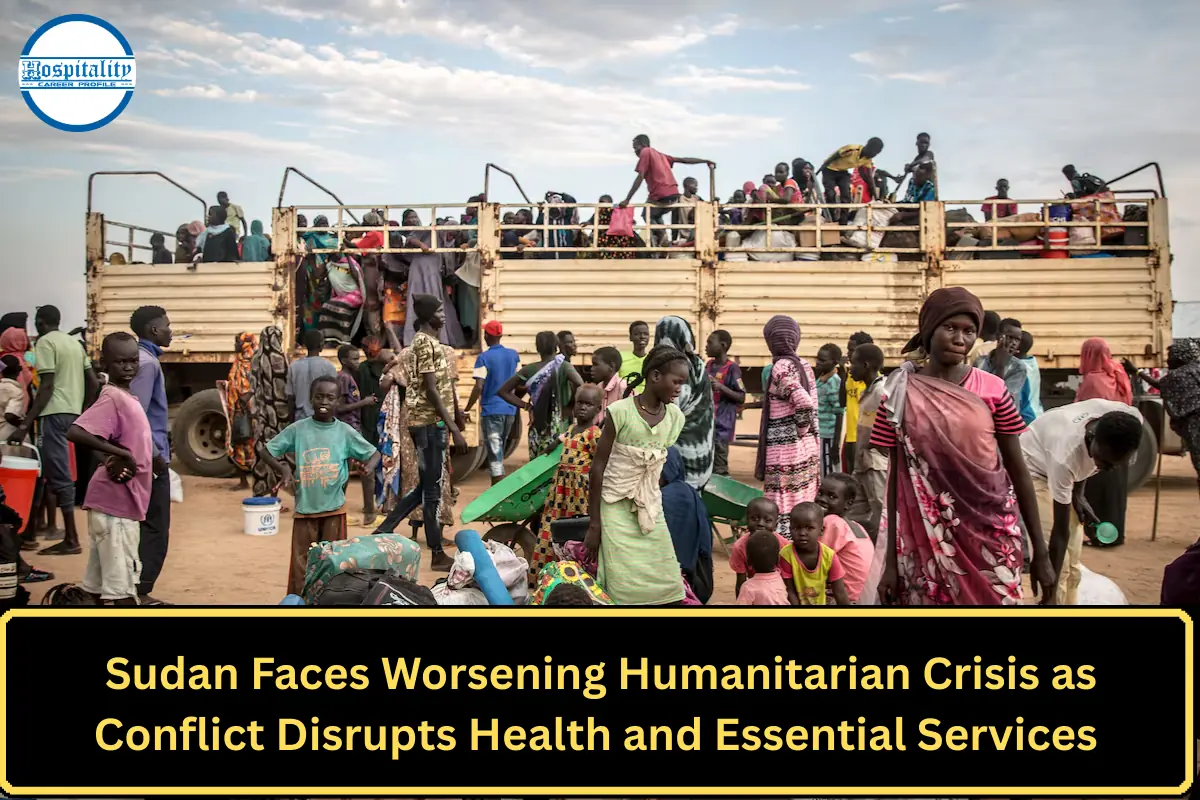
Sudan continues to grapple with a deepening humanitarian crisis as ongoing conflict disrupts healthcare services, displaces thousands of people, and damages essential infrastructure.
Fighting between rival factions has severely impacted civilian populations, with many communities facing shortages of food, clean water, electricity, and medical supplies. Hospitals and clinics in affected areas are struggling to function amid insecurity and limited resources.
Healthcare System Under Strain
Medical facilities in conflict-affected regions are reporting critical shortages of medicines, equipment, and trained personnel. Damage to infrastructure and power outages have further complicated efforts to provide emergency and routine care.
Health workers face security risks while attempting to deliver services, and some facilities have been forced to suspend operations due to safety concerns.
Displacement and Rising Needs
The violence has displaced large numbers of people, many of whom are seeking refuge in neighboring regions or countries. Displaced families often face overcrowded conditions with limited access to sanitation and healthcare, increasing the risk of disease outbreaks.
Humanitarian organizations are working to provide assistance, but access constraints and funding gaps are hampering relief efforts.
Infrastructure and Economic Impact
Beyond healthcare, the conflict has disrupted transportation networks, electricity supply, and markets. Economic instability has compounded the crisis, making it difficult for families to afford basic necessities.
Experts warn that prolonged instability could lead to long-term setbacks in development and public health indicators.
Calls for Ceasefire and Aid Access
International agencies and regional actors continue to call for a cessation of hostilities and safe humanitarian corridors to allow aid delivery. Restoring stability and rebuilding essential services will be critical to alleviating suffering and supporting recovery.
As the situation evolves, humanitarian needs in Sudan remain urgent, with millions of people requiring sustained assistance and protection.