Tesla’s $1.3 Trillion Valuation Hinges on AI, Robotics and SpaceX Synergies
Tesla’s $1.3 trillion valuation is driven by expansion into AI, robotics, and potential synergies with SpaceX, highlighting future growth opportunities beyond EVs.
 RUKAIYA KADIVAL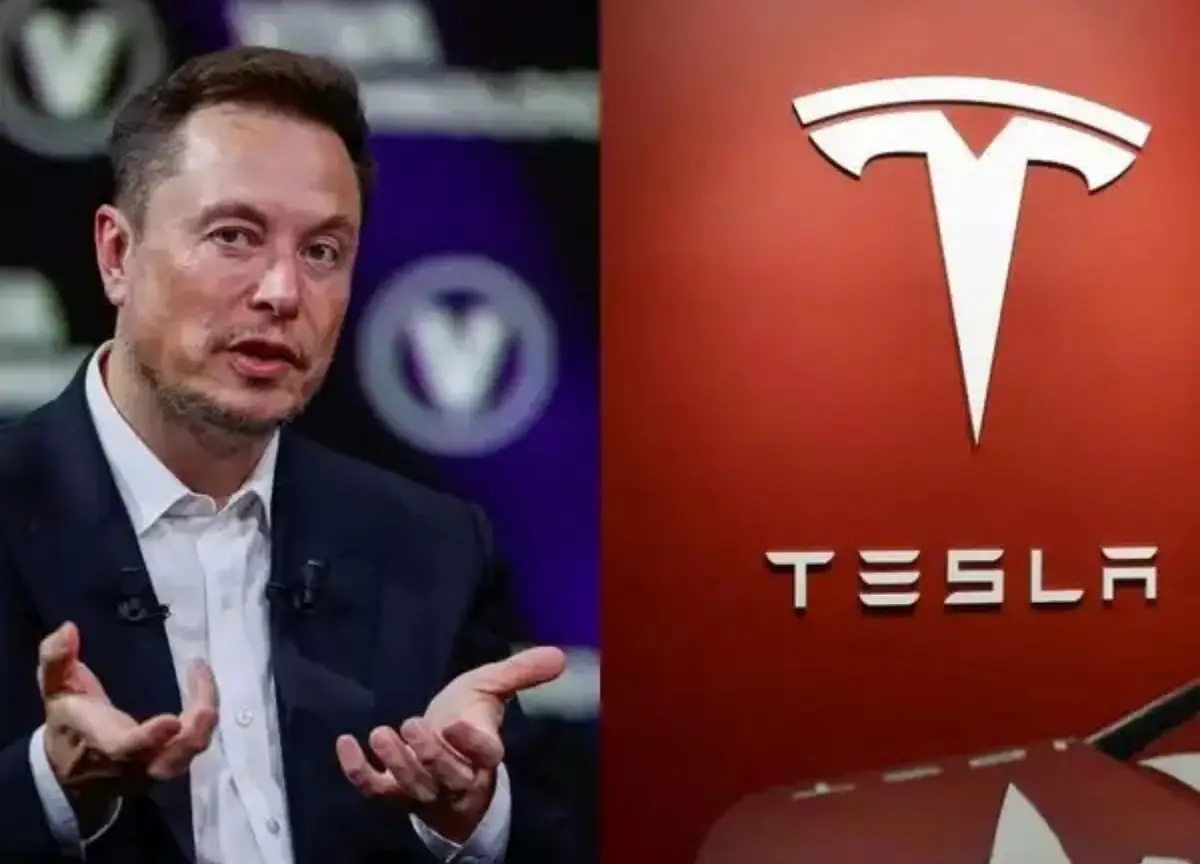
The company remains one of the most valuable firms globally and is widely grouped among high-growth technology leaders. While electric vehicle (EV) production continues to anchor its revenue base, Tesla’s strategic direction increasingly focuses on advanced technologies that could significantly expand its addressable market.
Expansion Beyond Electric Vehicles
Tesla’s long-term growth narrative is closely linked to its diversification beyond EV manufacturing. The company has introduced autonomous mobility initiatives, including robotaxis, aimed at transforming transportation through self-driving technology. These offerings are expected to shift Tesla’s business model toward recurring revenue streams.
In parallel, Tesla is developing its humanoid robot, Optimus, targeting consumer and industrial applications. The product, if commercialized successfully, could open a new revenue category in robotics, further reinforcing Tesla’s positioning as a technology-driven enterprise.
Additionally, Tesla has announced plans to establish a large-scale chip manufacturing facility, referred to as “Terafab.” The initiative is designed to support computational requirements across its ecosystem, including artificial intelligence applications and advanced vehicle systems.
Synergies with Musk-Led Ventures
The company’s growth outlook is also influenced by its alignment with other ventures led by
Recent developments have strengthened these connections, with collaborative efforts focused on shared technological capabilities. Market observers note that a potential consolidation of these entities could streamline operations and unlock efficiencies across business lines.
SpaceX, reportedly valued near $2 trillion in private markets, represents a significant component of this ecosystem. A combination of Tesla’s automotive and energy operations with SpaceX’s aerospace capabilities could create a diversified entity spanning transportation, energy, and space technologies.
Valuation Drivers and Market Position
Tesla’s current valuation reflects expectations of future growth rather than traditional automotive metrics. Unlike conventional car manufacturers, the company trades at a premium due to its exposure to emerging sectors such as autonomous driving, artificial intelligence, and robotics.
Its inclusion among high-growth technology stocks underscores investor confidence in its ability to deliver innovation-led expansion. The company’s strategic initiatives, including robotaxis and advanced manufacturing capabilities, are central to sustaining this valuation.
The potential integration with SpaceX and related ventures could further enhance its market positioning, offering diversified revenue streams and broader technological reach.
Execution Risks and Uncertainty
Despite the growth opportunities, Tesla faces execution risks associated with its ambitious roadmap. Delivering on large-scale projects such as autonomous driving systems and robotics commercialization remains a complex challenge.
The company’s leadership has historically set aggressive timelines for product launches, some of which have experienced delays. This track record highlights the uncertainty surrounding the realization of its long-term initiatives.
Moreover, Tesla’s elevated valuation implies high expectations from investors. Any shortfall in execution or delays in achieving key milestones could impact market sentiment and stock performance.
Outlook for Long-Term Growth
Tesla’s strategic focus on innovation-driven sectors positions it for potential expansion across multiple industries. The integration of AI, robotics, and advanced manufacturing capabilities suggests a shift toward a broader technology platform.
While the company’s current valuation already reflects significant growth expectations, its ability to capitalize on emerging opportunities will determine whether it can sustain its trajectory among the world’s most valuable corporations.
For now, Tesla remains a high-risk, high-growth investment, with its future closely tied to the successful execution of its ambitious technological and strategic initiatives.