TGH Cancer Institute and USF Health to Host Symposium on Microbes, Genes, and Cancer Research
TGH Cancer Institute and USF Health Morsani College of Medicine will host a 2026 symposium exploring the role of microbes and genes in cancer research.
 Akanksha jain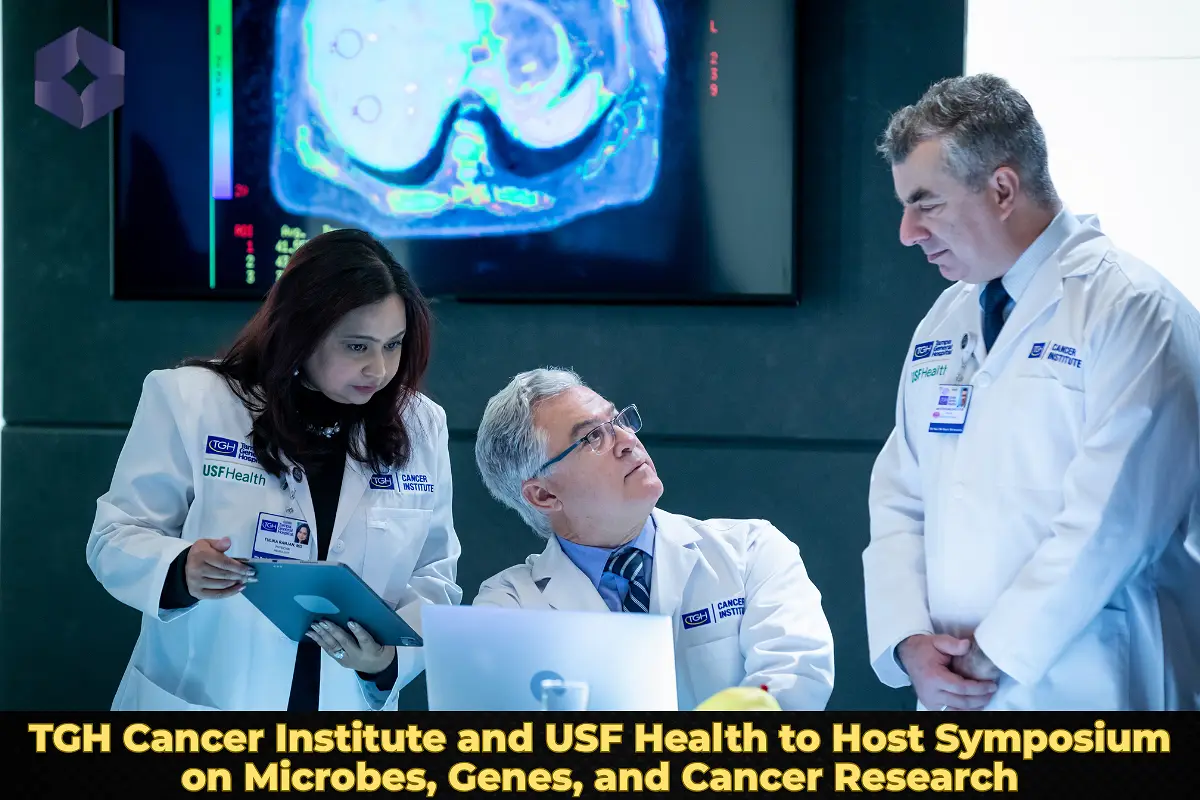
TGH Cancer Institute and USF Health to Host Symposium on Microbes, Genes, and Cancer Research
The TGH Cancer Institute, in collaboration with USF Health Morsani College of Medicine, will host a major scientific symposium in April 2026 focused on the role of microbes and genetic factors in cancer development and treatment, bringing together leading researchers, clinicians, and experts in oncology to discuss emerging discoveries and future directions in cancer science.
The event, scheduled to take place in the United States, aims to explore how interactions between the human microbiome and genetic mechanisms influence cancer progression, treatment response, and patient outcomes. Organizers say the symposium will provide a platform for interdisciplinary collaboration and knowledge exchange in one of the fastest-evolving areas of cancer research.
Focus on Microbes and Cancer Biology
A central theme of the symposium will be the role of microbes, including bacteria, viruses, and other microorganisms, in cancer biology. Researchers have increasingly recognized that the human microbiome plays a significant role in modulating immune responses and influencing tumor behavior.
Studies have shown that certain microbial populations can either promote or inhibit cancer growth, depending on their interaction with the host’s immune system. Understanding these dynamics is expected to open new avenues for diagnosis, prevention, and treatment.
Experts attending the symposium are expected to present findings on how microbial imbalances may contribute to cancer risk and how targeted interventions could help restore healthy microbiome function.
Genetic Factors and Precision Oncology
In addition to microbial research, the symposium will highlight advances in genetic and genomic studies related to cancer. Genetic mutations and alterations are known to drive many forms of cancer, making them critical targets for precision medicine approaches.
Researchers will discuss how genomic profiling can help identify specific mutations in tumors, enabling the development of targeted therapies tailored to individual patients. This approach has already shown promise in improving treatment outcomes and reducing side effects.
The integration of genetic data with other biological information is expected to play a key role in advancing personalized cancer care.
Interplay Between Microbiome and Genetics
One of the key objectives of the symposium is to examine the interaction between microbial and genetic factors in cancer. Scientists are increasingly exploring how these elements work together to influence disease progression and treatment response.
For example, the microbiome may affect how patients metabolize drugs or respond to immunotherapy, while genetic variations can influence susceptibility to microbial infections. Understanding this interplay could lead to more effective and individualized treatment strategies.
Researchers believe that combining insights from microbiology and genomics will provide a more comprehensive understanding of cancer.
Advancements in Cancer Treatment Strategies
The symposium will also showcase new approaches to cancer treatment that leverage knowledge of microbes and genetics. These include microbiome-based therapies, targeted drugs, and immunotherapies designed to enhance the body’s natural defenses against cancer.
Innovative treatments such as engineered probiotics, microbial modulation, and gene-targeted therapies are expected to be key topics of discussion. These approaches aim to improve treatment efficacy while minimizing adverse effects.
Experts note that integrating these strategies into clinical practice could transform the standard of care for many cancer patients.
Collaborative Research and Innovation
The event underscores the importance of collaboration among academic institutions, healthcare providers, and research organizations. By bringing together experts from diverse fields, the symposium aims to foster innovation and accelerate the translation of scientific discoveries into clinical applications.
Participants will have opportunities to share data, discuss challenges, and explore potential partnerships. Such collaborations are essential for addressing complex diseases like cancer, which require multidisciplinary approaches.
Organizers emphasize that continued cooperation will be critical for advancing cancer research and improving patient outcomes.
Educational and Training Opportunities
The symposium is also expected to serve as an educational platform for medical students, researchers, and healthcare professionals. Attendees will gain insights into the latest research methodologies, technological advancements, and clinical applications in oncology.
Workshops, panel discussions, and presentations will provide opportunities for learning and professional development. The event aims to inspire the next generation of scientists and clinicians to pursue innovative research in cancer biology.
Training initiatives are seen as a key component of building a skilled workforce in the field of oncology.
Implications for Global Cancer Research
The findings and discussions from the symposium are expected to have broader implications for global cancer research. As understanding of the microbiome and genetics continues to evolve, new opportunities are emerging for improving cancer prevention, diagnosis, and treatment worldwide.
International collaboration and knowledge sharing will be essential for translating these insights into practical solutions that can benefit patients across different regions and healthcare systems.
Experts highlight that addressing cancer requires a global effort, supported by continuous research and innovation.
Challenges and Future Directions
Despite significant progress, researchers acknowledge that challenges remain in fully understanding the complex relationships between microbes, genes, and cancer. Variability in individual microbiomes, genetic diversity, and environmental factors all contribute to the complexity of the disease.
Future research will focus on developing standardized methodologies, improving data integration, and conducting large-scale clinical studies to validate findings. Advances in technology, including artificial intelligence and high-throughput sequencing, are expected to play a crucial role in overcoming these challenges.
Continued investment in research and infrastructure will be essential for sustaining progress.
Conclusion
The upcoming symposium by TGH Cancer Institute and USF Health Morsani College of Medicine highlights the growing importance of understanding the roles of microbes and genetics in cancer, with experts aiming to advance research and develop more effective, personalized treatment strategies.