Exhibition on Tibet’s Diplomatic and Political History Opens at CTA Museum
An exhibition showcasing Tibet’s diplomatic and political history has opened at the CTA Museum, highlighting key historical events and international relations.
 SANJANA DUTTA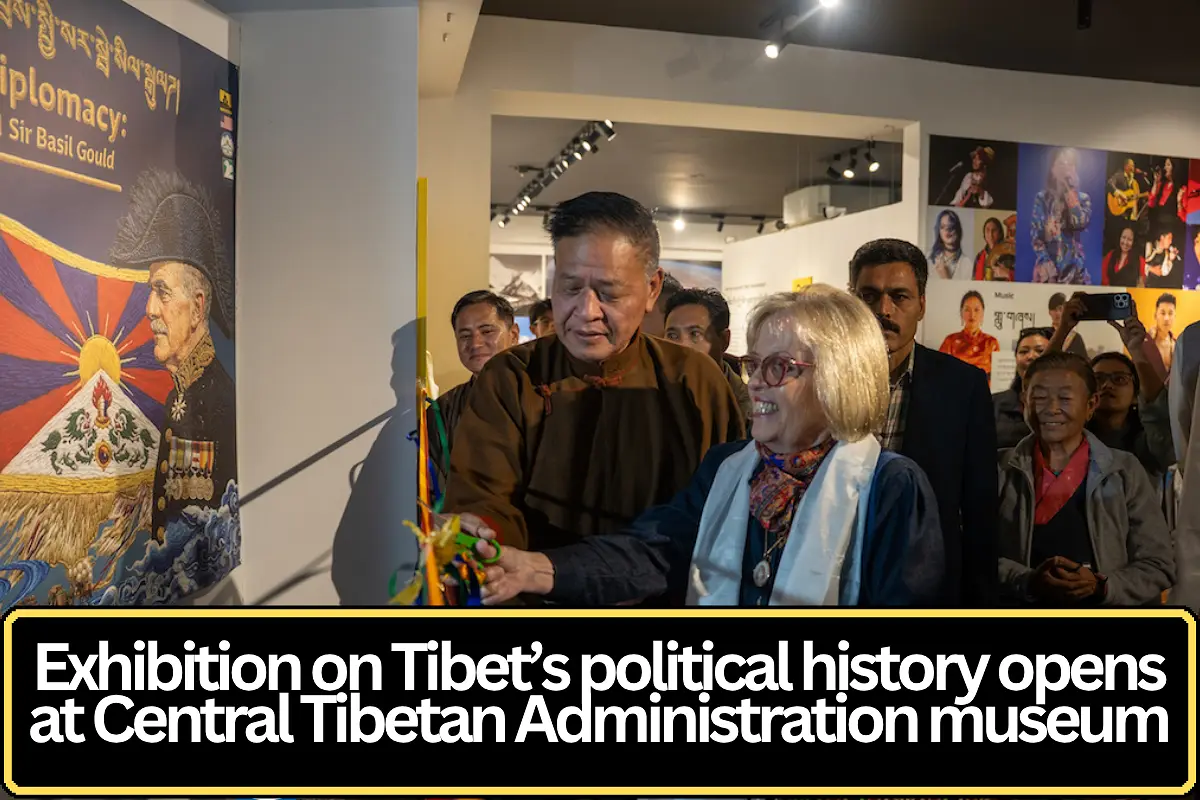
Exhibition on Tibet’s Diplomatic and Political History Opens at CTA Museum
DHARAMSHALA, April 5, 2026 — An exhibition highlighting Tibet’s diplomatic and political history has opened at the Central Tibetan Administration (CTA) Museum in Dharamshala, aiming to provide visitors with insights into the region’s historical engagement with global powers and its evolving political narrative.
The exhibition, which began this week, brings together archival materials, photographs, documents, and visual displays that trace Tibet’s diplomatic interactions and political developments over several decades. Organized by the CTA, the event seeks to educate the public and foster a deeper understanding of Tibet’s historical position on the international stage.
Showcasing Historical Diplomatic Engagements
The exhibition places a strong emphasis on Tibet’s diplomatic history, presenting records of interactions with neighboring regions and major global powers. Visitors can explore documents that reflect Tibet’s historical treaties, correspondence, and engagements that shaped its political identity over time.
Curators have highlighted key moments in Tibet’s diplomatic past, illustrating how the region navigated complex geopolitical dynamics. Through detailed exhibits, the event aims to demonstrate Tibet’s historical role in regional and international affairs, countering narratives that overlook its diplomatic legacy.
The displays also include maps and timelines that contextualize Tibet’s position within broader Asian and global political developments, offering visitors a comprehensive perspective on its historical relationships.
Focus on Political Evolution
In addition to diplomacy, the exhibition explores Tibet’s internal political evolution, shedding light on governance structures, leadership transitions, and significant political milestones. Archival materials provide insights into administrative systems and decision-making processes that have influenced Tibet’s trajectory.
Photographs and multimedia presentations depict key events that have shaped modern Tibetan political discourse, including developments that led to the establishment of the Central Tibetan Administration in exile. These elements aim to connect historical events with contemporary political realities.
Organizers have emphasized the importance of understanding Tibet’s political journey in order to appreciate current issues and debates surrounding its status and future.
Educational and Cultural Objectives
The exhibition is designed not only as a historical showcase but also as an educational initiative. School groups, researchers, and members of the public are expected to visit the museum to gain insights into Tibet’s past and its ongoing political context.
Interactive elements, including digital displays and guided tours, have been incorporated to enhance engagement and accessibility. These features aim to make complex historical narratives more understandable for a diverse audience.
Officials from the CTA have stated that the exhibition aligns with broader efforts to preserve Tibetan heritage and promote awareness of its history among younger generations and international visitors.
Global Relevance and Contemporary Context
The exhibition comes at a time when Tibet continues to be a subject of international attention, particularly in discussions related to human rights, cultural preservation, and geopolitical dynamics in the region. By presenting historical context, organizers hope to contribute to informed dialogue on these issues.
Experts note that understanding Tibet’s diplomatic and political history is essential for interpreting current developments and the perspectives of different stakeholders. The exhibition seeks to bridge gaps in knowledge and encourage nuanced discussions.
Visitors are encouraged to reflect on how historical events continue to influence present-day policies and international relations involving Tibet.
Archival Preservation and Research Opportunities
A significant aspect of the exhibition is its focus on archival preservation. Many of the displayed documents have been carefully curated and preserved, offering rare glimpses into Tibet’s historical records. Scholars and researchers have welcomed the initiative as an opportunity to access valuable materials.
The CTA Museum has indicated plans to expand its archival collections and make them more accessible for academic study. This effort is expected to support ongoing research into Tibetan history and its global connections.
By highlighting the importance of preserving historical records, the exhibition underscores the role of archives in shaping collective memory and understanding.
Public Engagement and Outreach
Organizers have launched outreach programs alongside the exhibition, including lectures, panel discussions, and cultural events. These activities aim to deepen engagement and provide platforms for dialogue on Tibet’s history and contemporary issues.
Community participation has been a key focus, with efforts to involve local residents and the Tibetan diaspora. The exhibition is expected to attract visitors from across India and abroad, reflecting its broad appeal.
Officials believe that such initiatives can foster greater awareness and appreciation of Tibet’s cultural and political heritage.
Significance for the Tibetan Community
For the Tibetan community, the exhibition represents an opportunity to preserve and share their history with a wider audience. It serves as a reminder of their cultural identity and historical experiences, reinforcing a sense of continuity and resilience.
Community leaders have expressed hope that the exhibition will inspire younger generations to learn about their heritage and engage with ongoing discussions about Tibet’s future.
The event also provides a platform for showcasing Tibetan perspectives, contributing to a more inclusive understanding of regional history.
Future Plans and Expansion
The CTA Museum has indicated that this exhibition is part of a broader initiative to expand its programming and enhance its role as a center for historical and cultural education. Plans are underway to introduce additional exhibitions focusing on different aspects of Tibetan history and culture.
Organizers are also exploring opportunities for international collaborations, which could bring Tibetan historical narratives to a global audience. Such efforts are expected to strengthen cultural exchange and academic engagement.
The success of the current exhibition will likely influence future projects, as the museum continues to develop its offerings.
Conclusion
The opening of the exhibition marks a significant step in promoting awareness of Tibet’s diplomatic and political history, providing valuable insights into its past and its ongoing relevance in global discussions.
Current Status
The exhibition is currently open to the public at the CTA Museum in Dharamshala, with visitors attending as part of ongoing educational and cultural outreach efforts.