Timely Stroke Diagnosis and Treatment Critical to Prevent Disability, Says Health Minister JP Nadda
Health Minister JP Nadda emphasizes that early diagnosis, quick referral, and access to quality treatment are key to preventing stroke-related disability and saving lives.
 Akanksha jain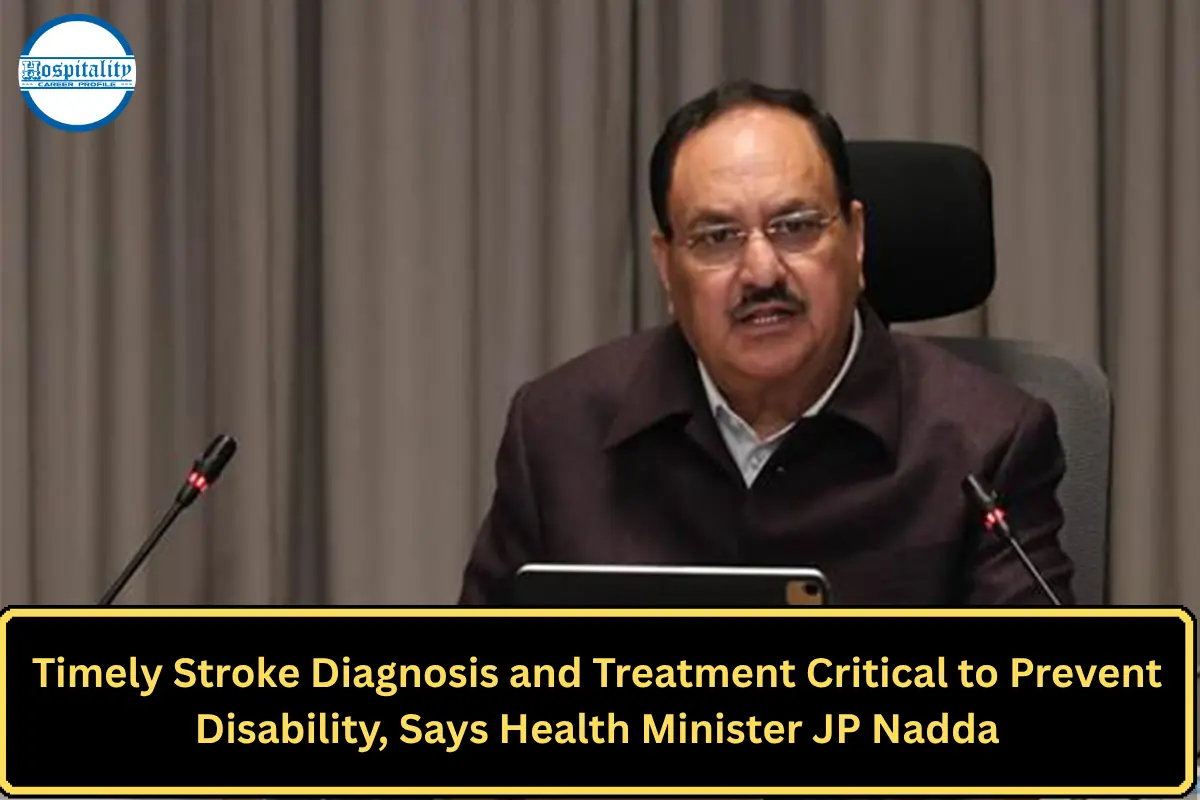
Timely Stroke Diagnosis and Treatment Critical to Prevent Disability, Says Health Minister JP Nadda
India’s Health Minister JP Nadda said on March 25, 2026, that timely diagnosis, rapid referral, and access to quality treatment are crucial in saving lives and preventing long-term disability caused by stroke, highlighting the urgent need to strengthen emergency healthcare systems across the country.
Speaking on the importance of stroke awareness and management, the minister emphasized that stroke remains a leading cause of death and disability in India, and improving early response mechanisms can significantly reduce its impact. The statement comes amid growing concerns over rising cases of non-communicable diseases and delayed access to critical care.
Importance of Early Diagnosis
Health experts stress that early identification of stroke symptoms is essential for effective treatment. Recognizing warning signs such as sudden weakness, speech difficulties, and loss of coordination can enable quicker medical intervention, which is critical in minimizing brain damage.
The minister noted that delays in diagnosis often result in severe complications, including permanent disability. Public awareness campaigns are being promoted to educate people about early symptoms and the need for immediate medical attention.
Experts highlight that the first few hours after a stroke, often referred to as the “golden period,” are vital for successful treatment outcomes.
Need for Rapid Referral Systems
Efficient referral systems play a key role in ensuring that patients receive timely care. The minister emphasized the importance of strengthening coordination between primary healthcare centers and specialized hospitals to facilitate faster transfers.
Delays in reaching appropriate healthcare facilities can reduce the effectiveness of treatment, particularly in cases requiring advanced interventions such as clot removal or thrombolysis. Improving ambulance services and referral networks is seen as a critical step in addressing this challenge.
Efforts are being made to streamline emergency response systems to ensure that stroke patients are transported to equipped facilities without delay.
Access to Quality Treatment
Access to high-quality treatment remains a significant factor in improving stroke outcomes. The minister highlighted the need to expand availability of specialized stroke care units, trained healthcare professionals, and advanced medical technologies across the country.
Urban areas often have better access to such facilities, while rural regions continue to face gaps in infrastructure and expertise. Bridging this gap is essential to ensure equitable healthcare access for all populations.
Government initiatives are focusing on enhancing healthcare infrastructure and increasing the availability of affordable treatment options.
Rising Burden of Stroke Cases
India is witnessing a steady rise in stroke cases, driven by factors such as aging populations, lifestyle changes, and increasing prevalence of conditions like hypertension and diabetes. Experts warn that without effective preventive and management strategies, the burden on healthcare systems could continue to grow.
The minister pointed out that addressing risk factors through preventive measures, including healthy lifestyles and regular health check-ups, is equally important in reducing the incidence of stroke.
Public health strategies are being aligned to tackle these underlying causes and promote long-term wellness.
Strengthening Healthcare Infrastructure
The government is working to strengthen healthcare infrastructure to improve emergency care and treatment outcomes. This includes expanding the network of stroke care centers, investing in medical equipment, and enhancing training programs for healthcare professionals.
Digital health technologies are also being explored to support faster diagnosis and decision-making, particularly in remote areas. Telemedicine services can help connect patients with specialists, improving access to timely care.
Experts believe that a combination of infrastructure development and technological innovation will be key to improving stroke management.
Role of Public Awareness
Raising awareness about stroke symptoms and prevention is a major focus of public health initiatives. Campaigns are being conducted to educate people about the importance of seeking immediate medical help and adopting healthier lifestyles.
Community-level programs are also being implemented to promote early detection and encourage regular health screenings. Increased awareness can lead to faster response times and better outcomes for patients.
The minister emphasized that collective efforts from government, healthcare providers, and communities are essential to address the growing challenge of stroke.
Policy and Strategic Initiatives
Policy measures are being introduced to strengthen stroke care and improve healthcare delivery systems. These include guidelines for standardized treatment protocols, improved emergency services, and increased funding for healthcare infrastructure.
Collaboration between public and private sectors is being encouraged to enhance service delivery and expand access to care. Experts note that coordinated efforts are necessary to ensure effective implementation of these initiatives.
Long-term strategies are focused on integrating preventive care with emergency response systems to create a comprehensive approach to stroke management.
Future Outlook
Looking ahead, improving stroke outcomes will depend on continued investment in healthcare systems, increased awareness, and adoption of advanced medical technologies. Experts believe that strengthening early diagnosis and treatment pathways can significantly reduce mortality and disability rates.
The integration of preventive measures, efficient referral systems, and quality care is expected to play a crucial role in addressing the growing burden of stroke in India.
Ongoing efforts aim to create a more responsive and resilient healthcare system capable of effectively managing stroke and other non-communicable diseases.
Conclusion
Health Minister JP Nadda’s emphasis on timely diagnosis and treatment underscores the critical need for stronger healthcare systems and public awareness to reduce stroke-related deaths and disabilities across India.