Top Medical Advice for 2026 Focuses on Prevention, Lifestyle Changes, and Early Detection
Health experts highlight key medical advice for 2026, emphasizing prevention, healthier lifestyles, and early diagnosis to improve long-term well-being.
 Akanksha jain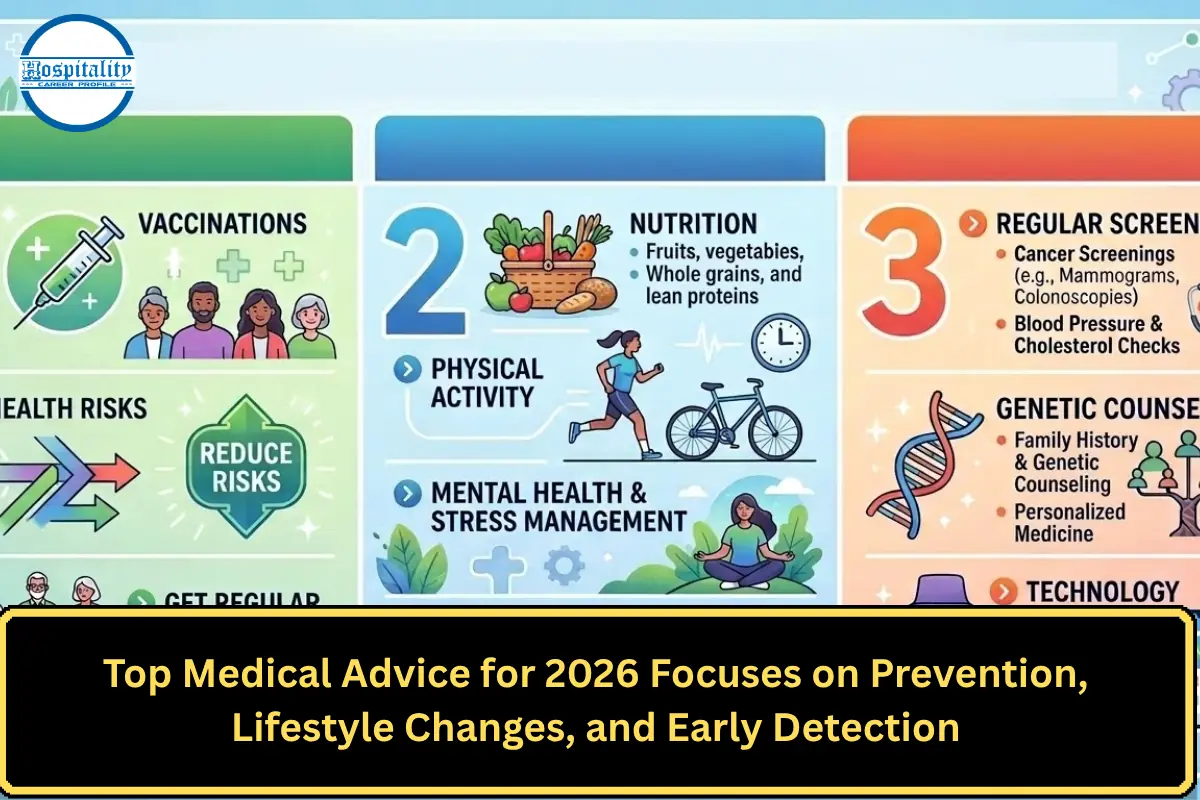
Top Medical Advice for 2026 Focuses on Prevention, Lifestyle Changes, and Early Detection
Health experts in 2026 are emphasizing preventive care, lifestyle improvements, and early diagnosis as the most effective strategies for maintaining long-term health, according to recent medical guidance. The recommendations, compiled from evolving healthcare trends and research, highlight simple but impactful changes individuals can adopt to reduce the risk of chronic diseases and improve overall well-being.
With rising cases of lifestyle-related conditions such as heart disease, diabetes, and mental health disorders worldwide, medical professionals are urging individuals to take a proactive approach to their health. The focus has shifted from treating illness to preventing it, supported by growing awareness and advancements in healthcare.
Prioritizing Preventive Healthcare
Preventive healthcare remains at the core of medical advice for 2026. Doctors stress the importance of regular health check-ups, screenings, and vaccinations to detect potential issues early. Early diagnosis can significantly improve treatment outcomes and reduce the burden of serious diseases.
Routine monitoring of blood pressure, blood sugar, and cholesterol levels is particularly recommended, especially for individuals at higher risk of cardiovascular and metabolic conditions. Preventive care is seen as a cost-effective and efficient way to maintain long-term health.
Healthcare systems are also increasingly promoting preventive strategies to reduce strain on hospitals and improve population health outcomes.
Adopting Healthier Lifestyles
Lifestyle changes are a major focus of medical advice in 2026. Experts recommend maintaining a balanced diet rich in fruits, vegetables, whole grains, and lean proteins while reducing the intake of processed foods, sugar, and unhealthy fats.
Regular physical activity is equally important, with guidelines suggesting at least 30 minutes of moderate exercise most days of the week. Activities such as walking, cycling, and yoga are encouraged for their accessibility and effectiveness.
In addition, maintaining a healthy weight is seen as a key factor in preventing chronic illnesses and improving overall quality of life.
Importance of Sleep and Mental Health
Sleep and mental well-being have gained increased attention in recent medical advice. Experts highlight the need for consistent and adequate sleep, noting its role in physical recovery, cognitive function, and emotional stability.
Stress management is also a critical component of health in 2026. Techniques such as mindfulness, meditation, and relaxation exercises are recommended to help individuals cope with daily pressures and reduce the risk of mental health issues.
Healthcare providers are encouraging open conversations about mental health, aiming to reduce stigma and improve access to support services.
Reducing Screen Time and Digital Impact
With the growing use of digital devices, experts are advising individuals to limit screen time, particularly before bedtime. Excessive exposure to screens can disrupt sleep patterns and contribute to eye strain and reduced productivity.
Creating a balance between digital engagement and offline activities is seen as essential for maintaining both physical and mental health. Taking regular breaks and practicing digital detox strategies are recommended.
Parents are also being advised to monitor and manage children’s screen usage to support healthy development.
Focus on Early Detection
Early detection of diseases is a key theme in medical advice for 2026. Advances in diagnostic technologies have made it easier to identify health conditions at earlier stages, allowing for timely intervention.
Screenings for cancers, heart disease, and other chronic conditions are strongly recommended, particularly for individuals with family histories or risk factors. Early detection not only improves survival rates but also reduces the complexity and cost of treatment.
Public health campaigns are increasingly promoting awareness about the importance of regular screenings.
Strengthening Immunity
Building and maintaining a strong immune system remains a priority in 2026. Experts recommend a combination of healthy eating, regular exercise, adequate sleep, and stress management to support immune function.
Vaccination continues to play a vital role in preventing infectious diseases. Staying up to date with recommended vaccines is considered essential for both individual and community health.
Natural approaches, such as consuming nutrient-rich foods and staying hydrated, are also encouraged to enhance overall immunity.
Hydration and Nutrition Awareness
Proper hydration is often overlooked but is crucial for maintaining bodily functions. Experts advise drinking sufficient water throughout the day to support digestion, circulation, and temperature regulation.
Nutrition awareness is also being emphasized, with a focus on understanding food labels and making informed dietary choices. Personalized nutrition plans are gaining popularity as individuals seek tailored approaches to their health needs.
Balanced nutrition is seen as a cornerstone of disease prevention and overall wellness.
Avoiding Harmful Habits
Medical professionals continue to warn against harmful habits such as smoking, excessive alcohol consumption, and sedentary behavior. These factors are major contributors to chronic diseases and reduced life expectancy.
Efforts to quit smoking and reduce alcohol intake are strongly encouraged, with support programs and resources available to help individuals make healthier choices.
Replacing harmful habits with positive behaviors can have a significant impact on long-term health outcomes.
Role of Technology in Health Management
Technology is playing an increasingly important role in healthcare, with wearable devices and mobile applications helping individuals track their health metrics. These tools can provide insights into physical activity, sleep patterns, and overall wellness.
Telemedicine and digital health platforms are also improving access to healthcare services, allowing patients to consult with doctors remotely and manage their health more effectively.
Experts believe that integrating technology into daily health management can enhance awareness and encourage healthier behaviors.
Future Outlook
The medical advice for 2026 reflects a broader shift toward preventive and personalized healthcare. As awareness grows and technology advances, individuals are expected to take a more active role in managing their health.
Healthcare systems are likely to continue focusing on prevention, early intervention, and patient education to address the growing burden of chronic diseases.
Experts emphasize that small, consistent changes in daily habits can lead to significant improvements in long-term health.
Conclusion
The latest medical guidance for 2026 underscores the importance of prevention, healthy lifestyles, and early detection, offering a roadmap for individuals to improve their health and reduce the risk of serious illnesses.