Tripura Achieves Milestone with Two Successful Kidney Transplants in Agartala
Tripura records a major healthcare milestone with two successful kidney transplants in Agartala, marking progress in advanced medical services in the state.
 Akanksha jain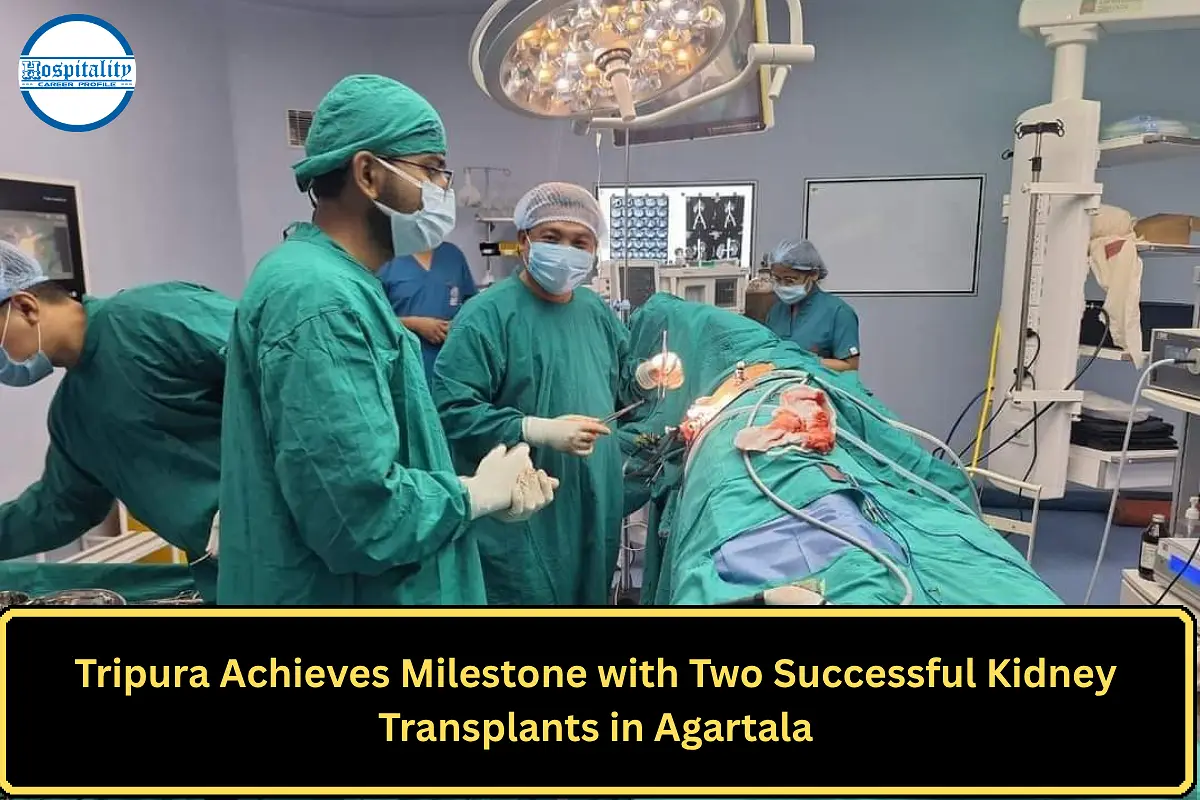
Tripura Achieves Milestone with Two Successful Kidney Transplants in Agartala
Tripura has marked a significant milestone in its healthcare journey with the successful completion of two kidney transplants in Agartala, officials confirmed in late March 2026. The procedures, conducted in the state capital, represent a major step forward in expanding advanced medical services in the northeastern region of India, reducing the need for patients to travel outside the state for complex treatments.
The transplants were carried out by a team of trained medical professionals at a government healthcare facility, highlighting the growing capabilities of the state’s medical infrastructure. Authorities described the achievement as a breakthrough in delivering specialized care locally, improving access and affordability for patients suffering from end-stage renal disease.
Advancing Healthcare in the Northeast
For years, patients in Tripura and neighboring states have had to travel to metropolitan cities such as Kolkata, Chennai, or Delhi to undergo organ transplant procedures. This often involved high costs, logistical challenges, and long waiting periods. The successful transplants in Agartala signal a shift toward decentralizing advanced healthcare services.
Officials stated that the initiative is part of broader efforts to strengthen healthcare infrastructure in the region, with a focus on providing tertiary care services closer to home. The development is expected to ease the burden on patients and their families while improving overall treatment outcomes.
The milestone also reflects increased investment in medical facilities, equipment, and specialized training for healthcare professionals in the state.
Medical Expertise and Coordination
The kidney transplant procedures required meticulous planning and coordination among multiple departments, including nephrology, urology, anesthesiology, and critical care. Medical experts emphasized that such complex surgeries depend on a well-coordinated team and adherence to strict clinical protocols.
Doctors involved in the procedures noted that both transplants were completed successfully, with patients reported to be stable and recovering under close medical supervision. Post-operative care remains a critical component of transplant success, involving monitoring for complications and ensuring long-term graft survival.
The achievement underscores the importance of skilled healthcare professionals and the role of continuous training in delivering high-quality medical care.
Boost to Organ Transplant Programs
The success of these procedures is expected to boost organ transplant programs in Tripura and encourage the development of a more robust organ donation ecosystem. Authorities highlighted the need for increased awareness about organ donation to support such initiatives.
Organ transplantation relies heavily on the availability of donors, and public awareness campaigns play a crucial role in addressing misconceptions and encouraging participation. Experts stressed that building trust in the healthcare system is essential for the success of transplant programs.
The state government is likely to focus on expanding donor registries and streamlining processes to facilitate more transplants in the future.
Reducing Healthcare Inequality
The availability of advanced procedures like kidney transplants within the state is seen as a step toward reducing healthcare inequality. Access to specialized medical services has historically been uneven across regions in India, with rural and remote areas facing significant challenges.
By establishing such capabilities locally, Tripura is moving toward bridging the gap and ensuring that residents have access to life-saving treatments without the need for long-distance travel. This aligns with national efforts to improve healthcare accessibility and equity.
Experts believe that similar initiatives in other states could help strengthen the country’s overall healthcare system.
Government Support and Policy Initiatives
The successful transplants have been attributed in part to supportive government policies and increased funding for healthcare development. Investments in infrastructure, medical equipment, and human resources have been key drivers of progress.
Officials indicated that the state government is committed to further enhancing healthcare services, with plans to introduce additional specialized treatments and expand existing facilities. Collaboration with national institutions and medical experts is also expected to play a role in sustaining growth.
Such efforts are in line with India’s broader goal of improving healthcare delivery and achieving better health outcomes for its population.
Challenges and Future Outlook
While the milestone is a significant achievement, challenges remain in scaling up transplant services. These include ensuring a steady supply of donor organs, maintaining high standards of care, and addressing financial barriers for patients.
Healthcare providers emphasize the need for continuous investment in training and infrastructure to support more complex procedures. Strengthening regulatory frameworks and ensuring transparency in organ allocation are also critical for the long-term success of transplant programs.
Despite these challenges, the successful kidney transplants in Agartala are seen as a promising indicator of the state’s potential to become a regional hub for advanced medical care.
Impact on Patients and Communities
For patients suffering from chronic kidney disease, access to transplant services can be life-changing. The availability of such procedures within Tripura is expected to improve survival rates and quality of life for many individuals.
Families of patients also benefit from reduced financial and emotional stress, as treatment can now be accessed closer to home. The development is likely to inspire greater confidence in the local healthcare system.
Community engagement and awareness will be essential in sustaining this progress and encouraging more people to support organ donation initiatives.
Conclusion
The successful completion of two kidney transplants in Agartala marks a major milestone for Tripura’s healthcare system, signaling growing capabilities in advanced medical care and setting the stage for further progress in the region.