Key Trump Administration Updates: Military Options on Iran, Board of Peace Meeting, and White House Developments
As President Donald Trump’s administration navigates foreign policy, military strategy on Iran, and domestic projects, multiple developments from Feb 19–20 2026 highlight strategic decisions and political activity in Washington.
 SANJANA DUTTA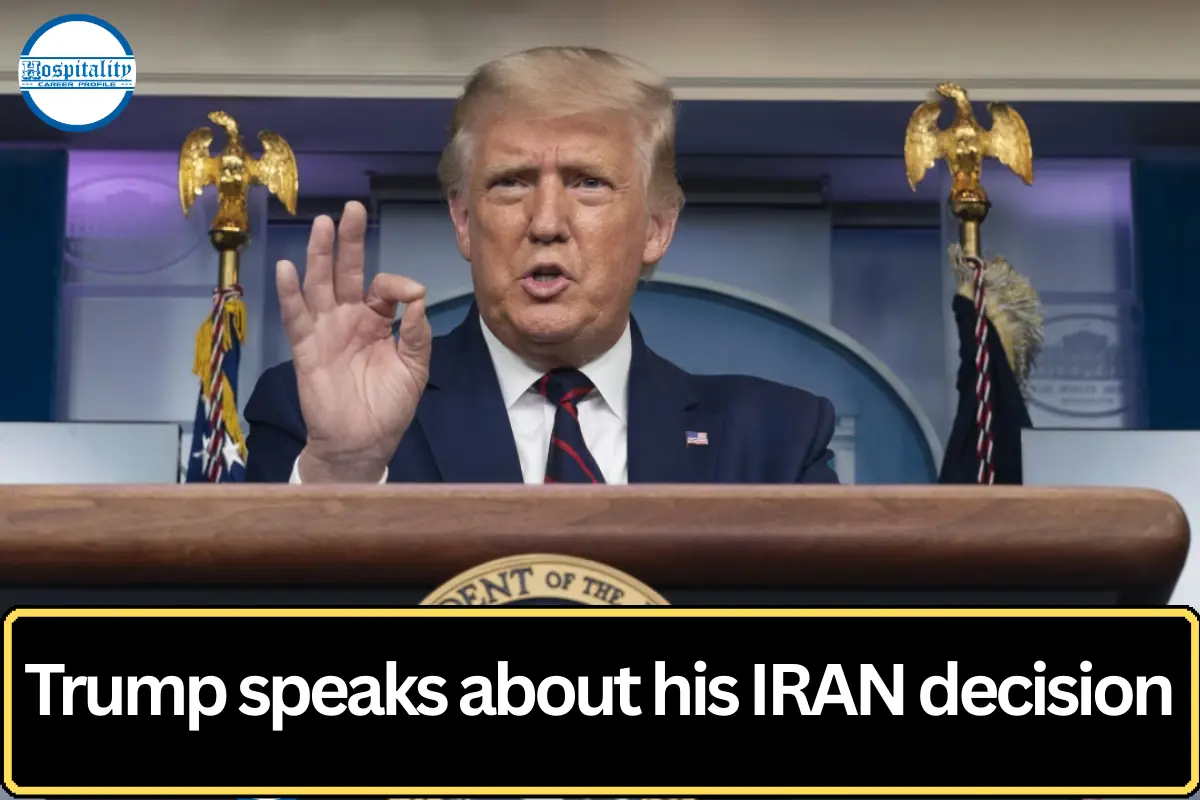
Overview of Recent Trump Administration Activity in Washington
Between February 19 and February 20, 2026, a range of major developments involving the Trump administration unfolded in U.S. politics and policy. These events span potential military engagement decisions, initiatives like the Board of Peace, construction plans at the White House, executive orders, and foreign policy narratives. Together, they form an evolving snapshot of the administration’s priorities and controversies during this period.
At the center of these updates is President Donald Trump’s ongoing deliberation on how to address tensions with Iran, including the possibility of military action should diplomatic avenues fail. Other headline developments include a high‑profile Board of Peace meeting in Washington, debate over White House renovations, and policy direction across domestic and foreign affairs. This article provides a comprehensive narrative of what has been unfolding in U.S. political life over these days.
Trump Mulls a Decision on Iran Within Ten Days
One of the most prominent developments as of February 19, 2026 involves President Trump’s publicly announced timeline for a decision on potential action regarding Iran. Trump stated that over the next roughly ten days, he expects to determine whether to pursue a diplomatic solution or authorize military operations. The timeframe reflects intense deliberations within the administration amid stalled nuclear discussions with Tehran.
U.S. warships, carrier strike groups, and other military assets have been deployed to the Middle East in recent days, positioning American forces to support potential operations. Trump has emphasized that diplomacy remains a possibility, noting his preference for a negotiated agreement if attainable. However, he also warned that “bad things” could happen if Iran fails to engage meaningfully in negotiations, signaling that military options remain on the table.
These decisions come as Trump considers a range of military strategies. Some options include targeted strikes on nuclear or missile infrastructure, while more expansive operations could extend for weeks if a comprehensive military engagement is chosen. Officials within the administration have debated these approaches, weighing the risks of escalation against the perceived threat posed by Iran’s program and regional activity.
Diplomacy Versus Military Build‑Up
While U.S. troops are positioned for readiness, there remains uncertainty within government circles about whether full military engagement will be pursued. Parts of the administration continue to advocate for further diplomatic efforts, especially in light of potential ramifications of war. Talks in Geneva and other diplomatic channels have not yielded a breakthrough, but negotiators remain hopeful they can avert conflict.
This period marks a critical moment for U.S.–Iran relations, with global observers closely monitoring developments and the administration’s actions for signs of decisive direction.
Board of Peace Meeting in Washington Draws Attention
Another significant development in Washington was the inaugural meeting of the so‑called Board of Peace, a new entity introduced by President Trump. This board, which aims to serve as an alternative forum for global conflict resolution, brought together representatives from multiple countries. The initiative reflects a strategic effort by the administration to reposition U.S. leadership in international diplomacy through a new structure.
Participants at the Board of Peace meeting discussed broad issues related to peace, stability, and international cooperation. Trump’s remarks at the event emphasized the importance of collaborative approaches to global challenges, while underscoring American leadership in shaping diplomatic solutions. However, some nations – including key U.S. allies – were notably absent, highlighting skepticism among certain global partners about the board’s role and structure.
Support and Critique of the Initiative
Supporters of the Board of Peace concept argue that it offers a fresh platform for addressing international conflict outside traditional frameworks. They point to its potential to galvanize countries around shared objectives and reduce reliance on existing entities seen as outdated. Critics, however, have raised concerns about transparency, funding mechanisms, and the board’s ability to genuinely influence complex conflicts without established institutional backing.
Despite mixed reactions, the meeting marked a high‑profile moment in the administration’s foreign policy timeline, generating extensive discussion in both political and diplomatic circles.
White House Ballroom Project Advances
Meanwhile, domestically, the White House is moving ahead with plans for a significant construction project that has drawn both attention and controversy. The Commission of Fine Arts gave fast‑track approval for a new 90,000‑square‑foot ballroom that is expected to be added to the White House grounds. This project, envisioned to replace the recently removed East Wing, reflects more than a functional addition – it represents a symbolic initiative tied to President Trump’s legacy.
The ballroom is privately funded and designed to accommodate large events and diplomatic functions, but it has sparked debate regarding its scale and impact on the historic character of the White House complex. Preservation advocates and some critics have voiced opposition, arguing that the proposed structure could overshadow existing architecture and alter the historic site’s identity.
Controversy and Public View
The approval came swiftly, with the commission’s support noted as unanimous despite public messaging from opposing voices. Critics have framed the project as emblematic of broader concerns about administrative priorities and focus, particularly when juxtaposed with pressing global issues and domestic challenges. Proponents, on the other hand, tout the ballroom as a long‑anticipated space for national events, highlighting Trump’s commitment to enhancing White House facilities.
Policy Moves and Executive Orders
Beyond foreign policy and construction developments, the Trump administration has advanced several executive orders and policy moves that reflect its governance philosophy. One notable action involves directives to increase production of certain controversial chemicals tied to agricultural use, reflecting a broader deregulatory agenda in environmental and economic sectors. These decisions have generated debate, especially among health and environmental advocates who caution against potential long‑term impacts.
Policy shifts continue to span multiple domains, from economic initiatives to adjustments in federal priorities. Observers note that this flurry of executive activity underscores the administration’s commitment to advancing its agenda through direct orders and regulatory changes rather than solely through legislative channels.
Public and Political Reactions
Reactions to these developments have been diverse. Some members of the public and political allies celebrate what they characterize as decisive leadership, particularly in areas like foreign engagement and national infrastructure initiatives. Others express concern about the potential ramifications of military escalation, the symbolic nature of domestic projects, and the broader trajectory of executive power.
Critics of the administration’s approach have highlighted the need for transparent debate and congressional involvement, particularly on matters of military authority and foreign engagement. Calls for accountability and public discourse continue to surface, reflecting the depth of political polarization surrounding these issues.
Media and Public Discourse
Presentation of these events in the media has fueled extensive discussion across news platforms, social media, and political commentary. The narrative around potential conflict with Iran, combined with symbolic domestic projects and strategic diplomatic efforts like the Board of Peace, has kept the administration’s actions at the forefront of national attention.
Public perception varies widely, with some viewing the administration’s moves as necessary responses to complex global threats, while others critique them as overreach or misaligned priorities. These debates are likely to continue shaping public discourse as the decision window on Iran approaches and additional policy actions unfold.
Outlook on Trump Administration Direction
As the administration continues to navigate a complex mix of foreign policy dilemmas, domestic initiatives, and international positioning, key decisions remain on the horizon. The impending decision on Iran – expected within the next ten days – stands as a pivotal moment that could influence both the geopolitical landscape and Trump’s presidential legacy.
Meanwhile, efforts like the Board of Peace, White House infrastructure projects, and ongoing executive orders will contribute to shaping how the administration’s priorities are perceived both at home and abroad.
Conclusion
The period around February 19–20, 2026 has been marked by significant activity within the Trump administration. With critical decisions looming on military strategy, ambitious diplomatic initiatives underway, and high‑profile domestic projects advancing, the administration’s agenda remains broad and impactful.
How these developments play out in the coming days and weeks will be closely watched by policymakers, international partners, and the public. The intersection of foreign policy, executive action, and political symbolism continues to define this chapter of the Trump presidency.