Trump Orders Strait of Hormuz Blockade After US-Iran Talks Collapse
President Donald Trump orders a Strait of Hormuz blockade after failed US-Iran talks, raising oil prices and global economic risks amid ongoing conflict.
 SANJANA DUTTA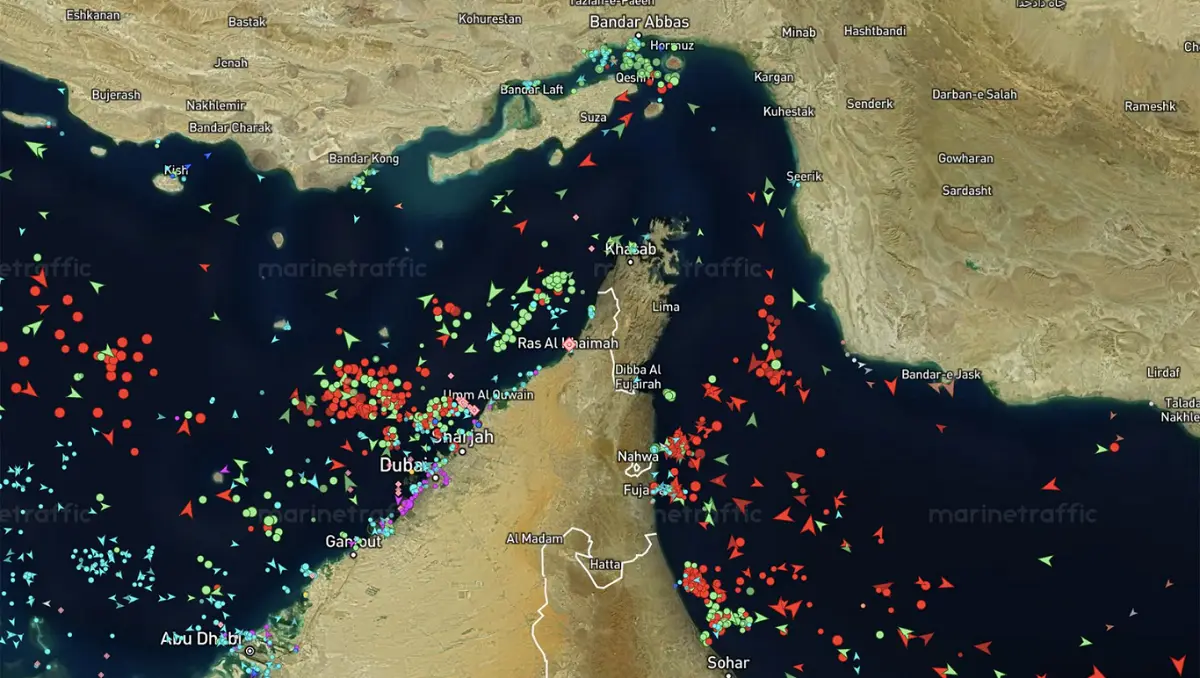
WASHINGTON, April 13, 2026 — U.S. President :contentReference[oaicite:1]{index=1} ordered a naval blockade of the Strait of Hormuz following the collapse of high-stakes talks with Iran, escalating tensions in the Gulf and triggering immediate concerns over global oil supply and economic stability.
Blockade Ordered After Collapse of U.S.–Iran Talks
The decision came after negotiations in Islamabad ended without a breakthrough, with both Washington and Tehran blaming each other for the deadlock. The United States had demanded that Iran halt uranium enrichment, dismantle key nuclear infrastructure, and allow access to highly enriched uranium stockpiles.
Iran rejected the terms, maintaining its position on sovereignty and control over its nuclear program and strategic assets. Iranian Parliament Speaker :contentReference[oaicite:2]{index=2} said trust must be rebuilt, signaling continued resistance to U.S. conditions.
Strategic Significance of the Strait of Hormuz
The Strait of Hormuz is one of the world’s most critical oil transit routes, handling a significant share of global energy shipments. The U.S. blockade targets vessels linked to Iranian ports, aiming to curb Tehran’s oil revenues and restrict its economic leverage.
Officials described the move as a comprehensive enforcement strategy, with :contentReference[oaicite:3]{index=3} indicating an “all in, all out” approach to pressure Iran economically and strategically.
Oil Prices Surge as Markets React
Global markets responded sharply, with Brent crude prices rising to over $100 per barrel following the announcement. The surge has intensified inflation concerns worldwide, with fuel prices increasing across major economies.
In the United States, gasoline prices have already crossed $4 per gallon on average, adding pressure on consumers and raising political stakes ahead of upcoming elections.
Rising Military and Strategic Risks
The blockade underscores the limited options facing Washington after weeks of conflict. While further military escalation remains possible, it carries risks of retaliation and wider regional instability.
Supporters of the move argue it will weaken Iran’s ability to fund its military and regional influence, while critics question whether economic pressure alone can force policy change in Tehran.
Global Diplomatic Fallout
The move has raised concerns among major global powers, particularly countries dependent on Gulf oil supplies. Disruptions in the Strait of Hormuz could significantly impact energy markets in Europe and Asia.
The blockade also increases the risk of direct confrontation, with U.S. naval forces potentially exposed to Iranian countermeasures in the region.
With the conflict entering a critical phase, the breakdown of diplomacy and the imposition of the blockade signal a sharp escalation, leaving global markets and policymakers bracing for further instability.