Trump’s Iran War Faces Growing Unpopularity Among Americans, Polls Show
Public support for the Iran war declines in the United States as polls show growing opposition, posing political challenges for President Donald Trump.
 SANJANA DUTTA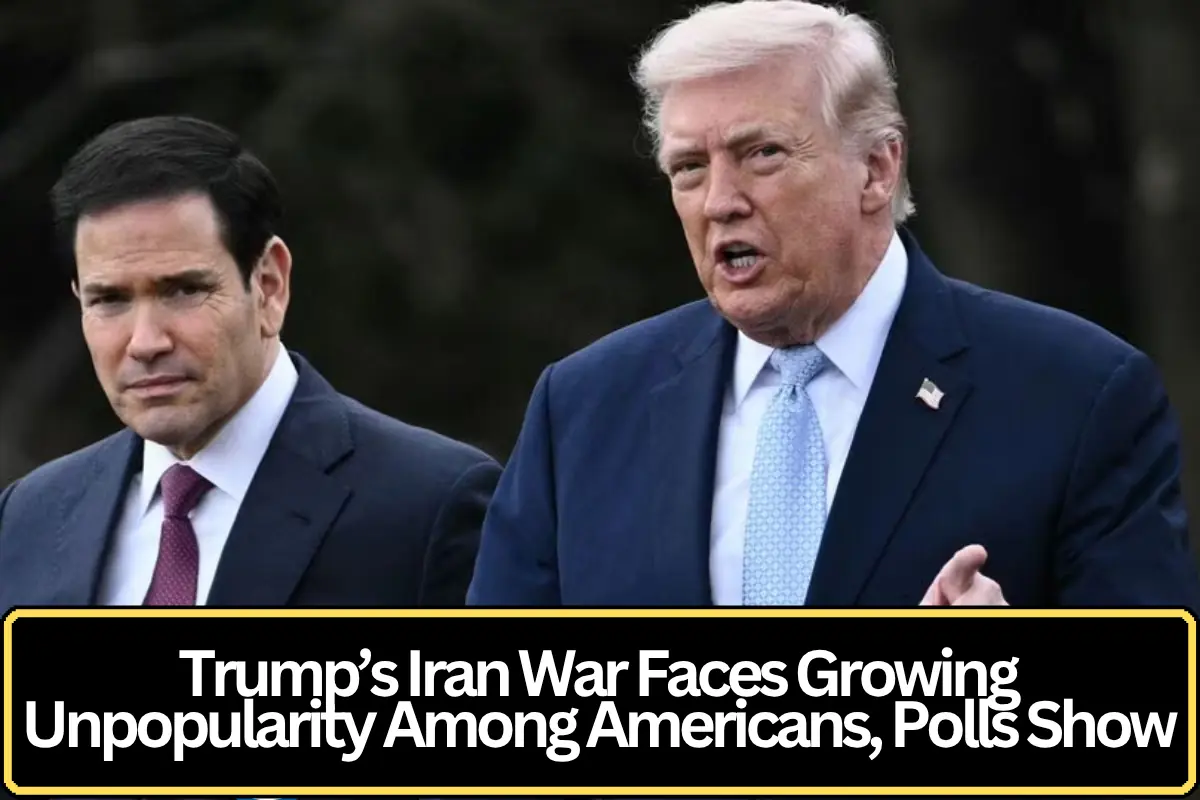
Public Support for Iran War Declines in United States
Public support for the ongoing war involving Iran is declining in the United States, with recent polling data indicating growing opposition among Americans to the conflict initiated under President Donald Trump. The shift in sentiment, observed in March 2026, reflects increasing concerns over the war’s economic costs, human impact, and long-term strategic objectives, posing significant political challenges for the administration.
The findings suggest that a majority of Americans are questioning the necessity and effectiveness of the military engagement, as the conflict continues without a clear resolution. Analysts note that public opinion is becoming a critical factor influencing political discourse and decision-making in Washington.
Polling Data Signals Waning Support
Recent surveys show a noticeable decline in approval ratings for the war, with many respondents expressing skepticism about its goals and outcomes. While initial support for military action was relatively higher, the prolonged nature of the conflict appears to have eroded public confidence.
Voters across different demographic groups have raised concerns about the financial burden of the war, particularly as government spending increases and domestic economic pressures persist. The perception that the conflict lacks a clearly defined endpoint has further contributed to declining support.
Political observers emphasize that public opinion trends could have significant implications for upcoming elections, shaping campaign strategies and influencing voter behavior.
Economic Concerns Drive Opposition
One of the primary factors behind the declining support is the economic impact of the war. Rising defense expenditures, coupled with broader economic challenges, have heightened concerns among Americans about fiscal priorities.
Energy market disruptions linked to the conflict have also contributed to higher fuel prices, affecting households and businesses nationwide. These economic pressures are increasingly being linked to the war in public discourse, reinforcing opposition to continued military engagement.
Critics argue that resources allocated to the conflict could be better utilized to address domestic issues such as infrastructure, healthcare, and education.
Political Ramifications for the Trump Administration
The growing unpopularity of the war presents a significant political challenge for President Donald Trump and his administration. As public sentiment shifts, opposition leaders are intensifying criticism of the administration’s foreign policy decisions, framing the conflict as costly and strategically uncertain.
The issue is becoming a focal point in political debates, with lawmakers and candidates using it to differentiate their positions and appeal to voters. The administration, meanwhile, continues to defend its actions, emphasizing national security concerns and the need to counter perceived threats.
Analysts suggest that the administration may need to reassess its communication strategy and policy approach to address public concerns and maintain political support.
Divisions Within Political Landscape
The Iran war has deepened divisions within the U.S. political landscape, with differing views emerging not only between parties but also within them. Some policymakers support the continuation of military operations, citing security objectives, while others advocate for diplomatic solutions and de-escalation.
This division is reflected in congressional debates, where discussions over funding, oversight, and war powers have intensified. The lack of consensus highlights the complexity of the issue and the challenges in formulating a unified national strategy.
Public opinion is playing a key role in shaping these debates, as elected officials respond to the views and concerns of their constituents.
Media Coverage and Public Perception
Media coverage of the conflict has contributed to shaping public perception, with increased reporting on casualties, costs, and geopolitical implications. The visibility of these issues has amplified public scrutiny of the war and the decisions leading to it.
Digital platforms and social media have further expanded the reach of information, enabling widespread discussion and debate. This increased access to information has made it easier for citizens to engage with and evaluate the conflict.
Experts note that the interplay between media narratives and public opinion is a critical factor in understanding the evolving sentiment toward the war.
Impact on Upcoming Elections
The declining support for the Iran war is expected to influence the political landscape ahead of upcoming elections in the United States. Candidates are likely to address the issue prominently in their campaigns, presenting their positions on foreign policy and military engagement.
For some voters, the war may become a decisive factor in determining their electoral choices, particularly in regions experiencing economic strain linked to the conflict. Political strategists are closely monitoring public sentiment to adapt their messaging accordingly.
The issue also has the potential to reshape party dynamics, as leaders navigate differing viewpoints within their ranks.
Calls for Alternative Approaches
As opposition to the war grows, there have been increasing calls for alternative approaches to addressing tensions with Iran. Diplomacy, negotiations, and multilateral engagement are being proposed as potential pathways to de-escalation.
Advocates of these approaches argue that sustained military engagement may not achieve long-term stability and could lead to further complications. They emphasize the importance of exploring solutions that reduce conflict while addressing security concerns.
The administration has indicated openness to dialogue under certain conditions, though concrete steps toward de-escalation remain uncertain.
Broader Implications for U.S. Foreign Policy
The situation highlights broader questions about U.S. foreign policy and the role of military intervention in addressing international challenges. The Iran war has sparked debate over strategic priorities, alliances, and the balance between military and diplomatic tools.
These discussions are likely to influence future policy decisions, as leaders assess the outcomes and lessons of the current conflict. The evolving public sentiment underscores the importance of aligning foreign policy with domestic expectations and priorities.
Observers suggest that the experience may shape how future administrations approach similar situations, emphasizing the need for clear objectives and public support.
Conclusion
The growing unpopularity of the Iran war among Americans underscores the complex interplay between public opinion, economic concerns, and political strategy.
Current Status
Public opposition to the Iran war continues to rise, increasing political pressure on the Trump administration as the conflict persists without a clear resolution.