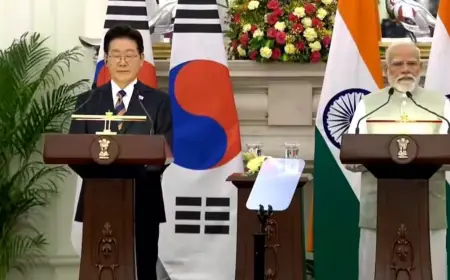
Trump–Pope Leo Clash Intensifies Over Iran War, Deepening Global Divide
US President Donald Trump and Pope Leo XIV clash over the Iran war, highlighting deep divisions between Washington and the Vatican amid a fragile ceasefire.
 SANJANA DUTTA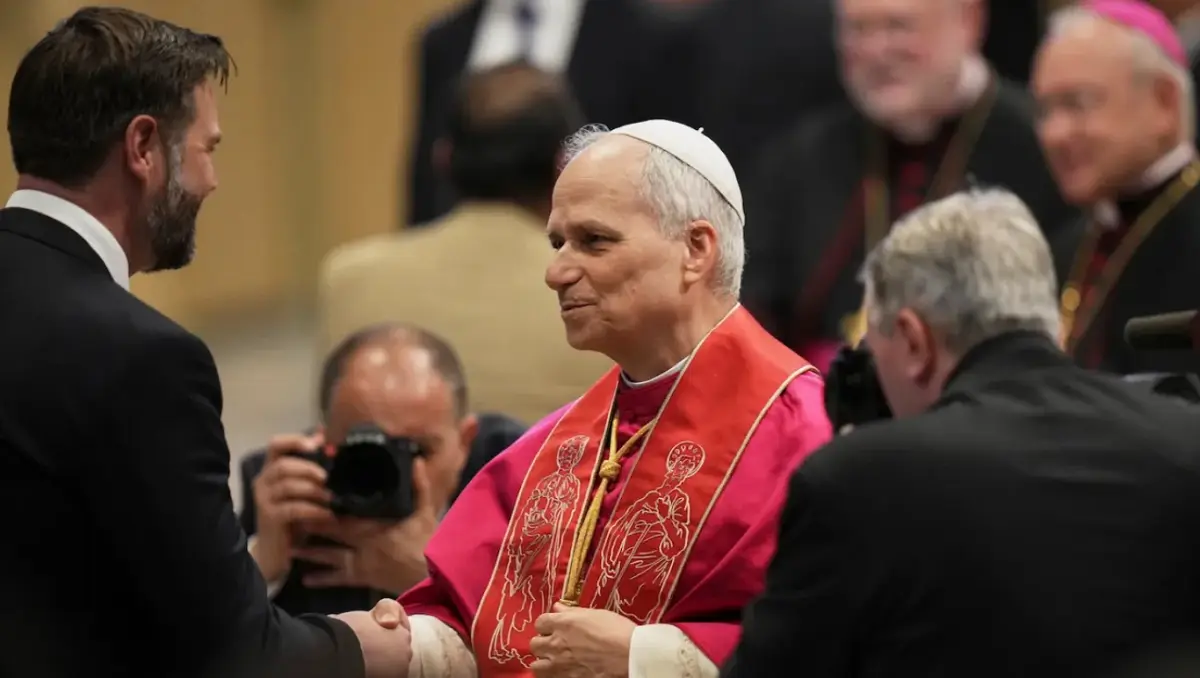
WASHINGTON/VATICAN CITY, April 2026 — U.S. President Donald Trump and Pope Leo XIV have entered a rare and escalating public confrontation over the Iran war, exposing a deep divide between Washington’s military strategy and the Vatican’s call for global peace amid a fragile ceasefire.
Rare Public Clash Between Trump and Pope Leo XIV
The dispute marks an unprecedented moment in modern geopolitics, with two of the world’s most influential leaders—both Americans—openly challenging each other on a major international conflict. Pope Leo XIV, the first U.S.-born pontiff, strongly criticised war rhetoric surrounding Iran, calling threats of large-scale destruction “unacceptable” and urging restraint.
President Trump responded sharply, questioning the pope’s leadership and dismissing his remarks as politically driven. The exchange signals a significant departure from traditionally cautious and diplomatic relations between the White House and the Vatican.
Sharp Divide Over Iran War Strategy
Pope Leo XIV has consistently framed his position around peace, dialogue, and humanitarian responsibility, emphasizing that Church teachings reject violence and prioritise reconciliation. He warned that escalating rhetoric risks worsening global instability and human suffering.
In contrast, the Trump administration has defended its military posture as essential for national security, citing strategic threats posed by Iran. Officials argue that strong deterrence is necessary to maintain stability and prevent further escalation in the region.
The confrontation highlights a broader ideological divide—moral diplomacy versus geopolitical strategy—in addressing global conflict.
Religious and Political Divide in the U.S.
The clash has also amplified divisions within the United States. Catholic leadership has largely echoed the pope’s calls for peace, while sections of evangelical groups have supported the administration’s stance, framing the conflict in moral and strategic terms.
Analysts note that the intersection of religion and foreign policy is increasingly shaping public opinion, with faith-based perspectives influencing political alignment.
Strain on U.S.–Vatican Relations
The public nature of the disagreement has placed visible strain on U.S.–Vatican relations. While diplomatic ties remain intact, direct criticism between a pope and a sitting U.S. president is highly unusual and underscores the seriousness of the divide.
Historically, the Vatican has avoided direct political confrontation, making the current exchange particularly significant in global diplomatic terms.
Global Implications Amid Fragile Ceasefire
The dispute comes at a critical moment as a fragile ceasefire between the United States and Iran continues to hold. Global leaders have called for restraint, warning that further escalation could destabilise the region.
Observers say the Trump–Pope Leo clash reflects a broader struggle in global governance—balancing military strategy with moral authority in times of crisis.
As diplomatic efforts continue, the confrontation highlights how political power and religious influence are increasingly shaping international narratives in an evolving global order.