Turkey Secures $1.9B World Bank Loan for Asia-Europe Rail Link
Turkey secures $1.9 billion from the World Bank for the Istanbul North Rail Crossing, boosting Asia-Europe connectivity and freight capacity.
 Tripti Srivastava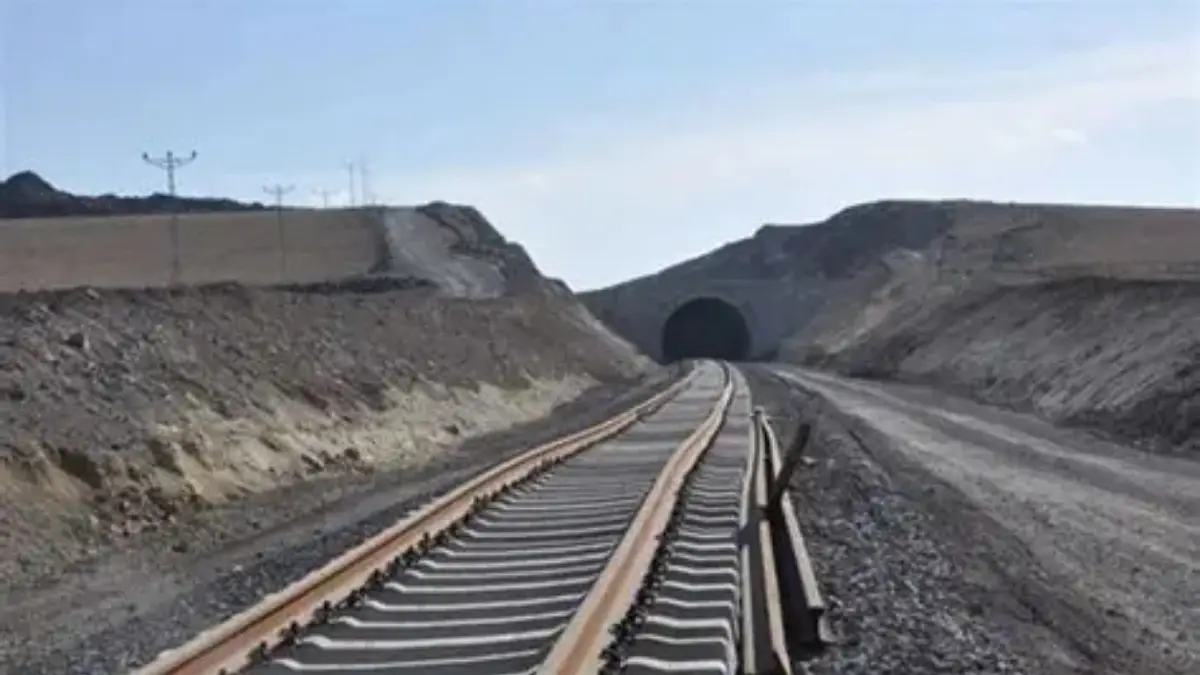
Turkey has secured €1.7 billion ($1.9 billion) in financing from the World Bank for the Istanbul North Rail Crossing (INRAIL), a major infrastructure project aimed at strengthening trade and transport links between Asia and Europe, Finance Minister Mehmet Simsek said on April 16.
The funding forms a key part of the project’s total $8.1 billion financing structure, with nearly 83% of the investment sourced from international financial institutions, underscoring strong global backing for Turkey’s strategic transport ambitions.
$1.9 Billion World Bank Financing Secured
The €1.7 billion loan marks one of the largest approvals by the World Bank, ranking as the third-largest project in the institution’s history, according to Turkish authorities. The financing will support the implementation of the INRAIL project, which Turkey has positioned as a critical component of its long-term infrastructure development strategy.
The funding adds to a broader financing package, following Turkey’s earlier success in securing approximately $6.75 billion from six international financial institutions in February to support the same railway initiative.
Officials said the scale of international participation reflects investor confidence in Turkey’s infrastructure pipeline and its strategic geographic role linking Europe and Asia.
The INRAIL project involves the construction of a 127-kilometre electrified, high-capacity railway line that will cross the Bosphorus Strait, connecting the Asian and European sides of Istanbul.
The rail line is designed to bypass the city’s congested metropolitan core while linking Istanbul’s two major airports, improving both freight and passenger transport efficiency. By reducing congestion and transit delays, the project aims to enhance logistics performance and support economic activity.
Authorities described the project as a solution to one of the most critical bottlenecks in Turkey’s transport network, particularly for transcontinental trade routes.
Freight Capacity to Increase More Than 16-Fold
Once operational, the INRAIL project is expected to expand rail freight capacity dramatically across the Bosphorus. Annual freight volumes are projected to increase from 3 million tonnes to 50 million tonnes, representing more than a sixteenfold rise.
The expansion is expected to significantly improve the efficiency of cargo movement along the Middle Corridor, a key trade route connecting Beijing to London with a transit time of approximately 18 days.
By enhancing throughput capacity, the project is likely to strengthen Turkey’s position as a major logistics hub in Eurasian trade networks.
The Middle Corridor has gained prominence as one of the fastest and most efficient overland trade routes linking Asia and Europe. Turkish officials emphasised that the INRAIL project will play a central role in optimising this corridor by removing infrastructure constraints that limit freight movement.
The improved rail connectivity is expected to facilitate smoother trade flows between key global markets, supporting regional integration and boosting Turkey’s role in international supply chains.
Authorities highlighted that reducing transit bottlenecks will not only improve trade efficiency but also lower logistics costs and increase competitiveness for exporters.
Economic Impact and Job Creation
The project is expected to generate significant economic benefits, including the creation of more than 400,000 high-income jobs across various sectors linked to construction, logistics, and operations.
Officials said the development will contribute to broader economic growth by stimulating investment in transport infrastructure and supporting industrial expansion. The improved connectivity is also expected to attract additional private sector investment into Turkey’s logistics and transport sectors.
The scale of employment generation underscores the project’s importance not only as a transport initiative but also as a driver of economic development.
Turkey has invested heavily in transport infrastructure over the past two decades, with total investments reaching approximately $355 billion. This includes $180 billion allocated to road development and airport expansion projects.
The INRAIL project represents a continuation of this long-term strategy to modernise the country’s transport network and enhance its role as a regional connectivity hub.
Officials said sustained investment in infrastructure is critical to supporting economic growth, improving trade efficiency, and maintaining Turkey’s competitiveness in global markets.
With strong international financing support and a strategic focus on connectivity, the INRAIL project is expected to contribute significantly to Turkey’s position within global trade and transport networks.