UK Drug Regulator Issues Guidance to Reduce Animal Testing in Drug Development
The UK’s drug regulator has issued new guidance encouraging reduced reliance on animal testing in drug development, promoting alternative scientific methods.
 Akanksha jain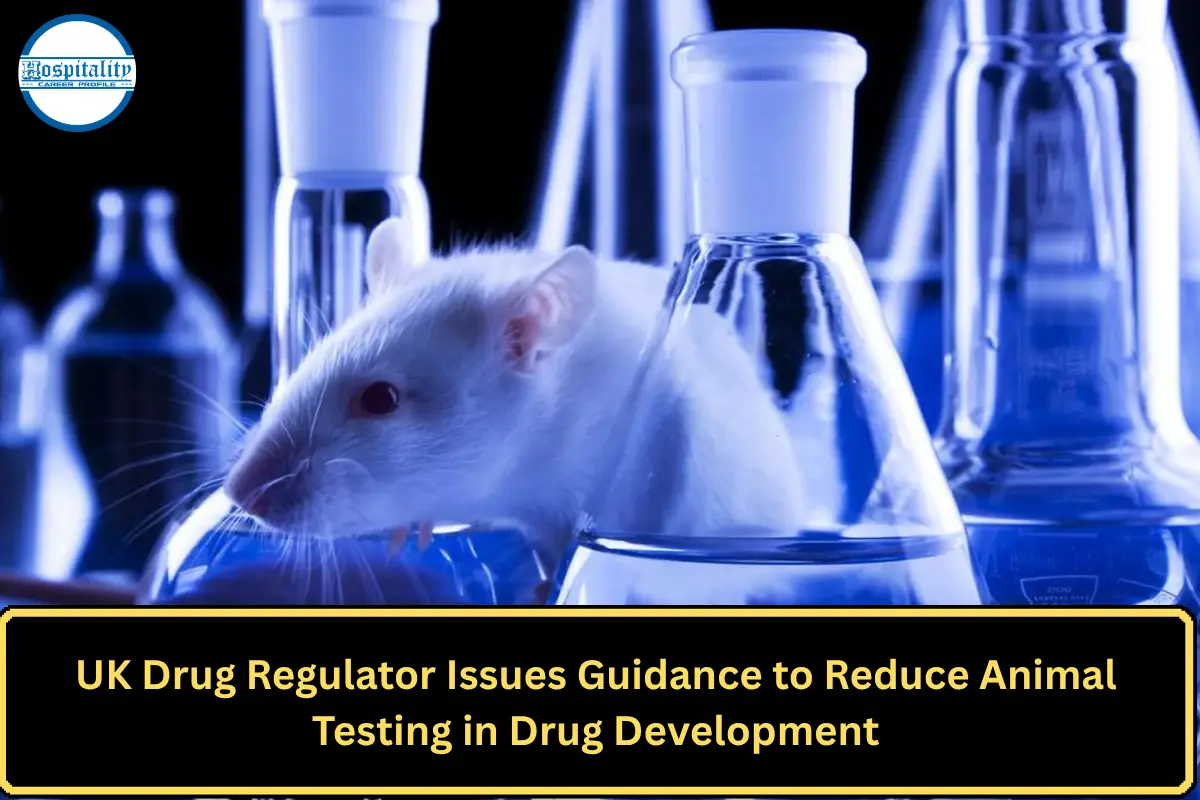
UK Drug Regulator Issues Guidance to Reduce Animal Testing in Drug Development
The United Kingdom’s medicines regulator has issued new guidance aimed at reducing the reliance on animal testing in drug development, marking a significant shift in regulatory approach toward more ethical and innovative scientific practices. The guidance, released on March 25, 2026, encourages pharmaceutical companies to adopt alternative testing methods where scientifically valid, aligning with broader global efforts to modernize drug research.
The move is part of a growing trend among regulators to support non-animal methodologies, including advanced laboratory techniques and computational models, that can potentially improve efficiency while addressing ethical concerns associated with animal experimentation.
Shift Toward Alternative Testing Methods
The regulator’s guidance emphasizes the use of alternative approaches such as in vitro testing, organ-on-a-chip technologies, and computer-based simulations. These methods are increasingly seen as viable options for assessing the safety and efficacy of new medicines without the need for traditional animal studies.
Officials stated that while animal testing will not be completely eliminated in the near term, companies are encouraged to minimize its use whenever alternative methods can provide reliable and scientifically robust data. The guidance aims to accelerate the adoption of these innovative tools across the pharmaceutical industry.
This shift reflects advances in technology that have made it possible to replicate human biological processes more accurately in laboratory settings.
Regulatory Framework and Industry Impact
The new guidance outlines how pharmaceutical developers can incorporate alternative testing methods into regulatory submissions. It provides clarity on the types of data required to demonstrate safety and effectiveness, as well as the conditions under which non-animal data may be accepted.
Industry stakeholders have welcomed the move, noting that it could reduce costs, shorten development timelines, and improve the predictive accuracy of preclinical testing. By reducing reliance on animal models, companies may also avoid some of the limitations associated with translating results from animals to humans.
However, experts caution that transitioning to alternative methods will require investment in new technologies and training, as well as close collaboration with regulators to ensure compliance.
Ethical Considerations and Public Pressure
The reduction of animal testing has long been a priority for animal welfare organizations and advocacy groups. Public concern over the ethical implications of animal experimentation has intensified in recent years, prompting calls for greater transparency and reform in research practices.
The regulator’s guidance is seen as a response to these concerns, demonstrating a commitment to ethical innovation while maintaining rigorous safety standards. By promoting alternatives, authorities aim to balance scientific progress with societal expectations.
Ethicists argue that reducing animal testing not only addresses moral concerns but also aligns with the principles of responsible research and innovation.
Advances in Scientific Technology
Technological advancements have played a crucial role in enabling the shift away from animal testing. Organ-on-a-chip systems, for example, can mimic the function of human organs, allowing researchers to study drug effects in a controlled environment that closely resembles human physiology.
Similarly, computational models and artificial intelligence are being used to predict how drugs will behave in the human body. These tools can analyze large datasets to identify potential risks and optimize drug design before clinical trials begin.
Such innovations are expected to transform the drug development process, making it more efficient and precise.
Global Trends and Regulatory Alignment
The UK’s move is consistent with international efforts to reduce animal testing in pharmaceutical research. Regulatory agencies in other regions, including the United States and the European Union, have also been exploring alternative methods and updating their frameworks to accommodate new technologies.
Harmonizing these approaches across jurisdictions could facilitate global drug development and streamline regulatory approvals. Companies operating in multiple markets may benefit from clearer and more consistent guidelines.
International collaboration will be essential to ensure that alternative methods are validated and widely accepted.
Challenges in Implementation
Despite the progress, challenges remain in fully replacing animal testing. Certain complex biological processes are still difficult to replicate using current technologies, and regulatory acceptance of alternative methods may vary depending on the type of drug and therapeutic area.
Researchers must also ensure that new methods are rigorously validated to provide reliable data. This involves extensive testing and comparison with existing models to demonstrate accuracy and consistency.
Addressing these challenges will require ongoing research, investment, and cooperation between industry, academia, and regulators.
Impact on Drug Development Timeline
The adoption of alternative testing methods has the potential to significantly impact the timeline of drug development. By reducing the need for lengthy animal studies, companies may be able to bring new therapies to market more quickly.
Faster development timelines could benefit patients by improving access to innovative treatments, particularly in areas with high unmet medical needs. However, maintaining rigorous safety standards will remain a top priority for regulators.
Balancing speed and safety will be a key consideration as the industry transitions to new methodologies.
Future Outlook
Looking ahead, the regulator is expected to continue refining its guidance as new technologies emerge and scientific understanding evolves. Ongoing dialogue with stakeholders will be crucial in shaping future policies and ensuring successful implementation.
Pharmaceutical companies are likely to increase investment in alternative testing technologies, driven by both regulatory encouragement and market incentives. The shift could lead to a more sustainable and ethically responsible approach to drug development.
Experts believe that continued innovation will further reduce the need for animal testing over time.
Conclusion
The UK regulator’s new guidance represents a significant step toward reducing animal testing in drug development, encouraging the adoption of innovative alternatives while maintaining strict safety standards, with implementation expected to evolve as technologies advance.