UK Issues Urgent Health Alert After Deadly Meningitis Outbreak in Kent
UK authorities have issued an urgent public health alert following a deadly meningitis outbreak in Kent, prompting increased surveillance and preventive measures.
 Akanksha jain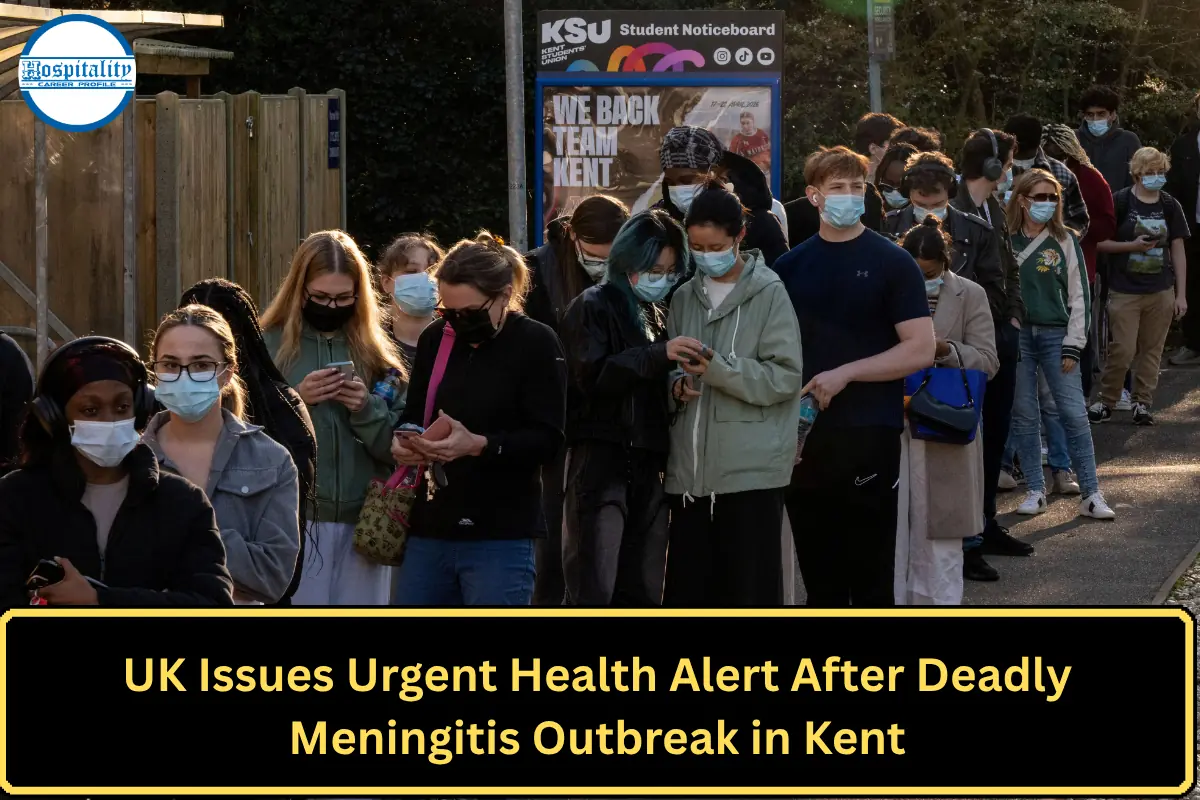
UK Issues Urgent Health Alert After Deadly Meningitis Outbreak in Kent
Health authorities in the United Kingdom have issued an urgent public health alert following a deadly outbreak of meningitis in Kent, officials confirmed in March 2026. The alert comes after multiple confirmed cases and fatalities linked to the infection, prompting immediate action to contain its spread and protect public health.
Officials said the outbreak has raised serious concerns due to the rapid transmission of the disease within the community, particularly among young people. Public health agencies are working closely with local healthcare providers to identify cases, trace contacts, and implement preventive measures.
Rising Cases Trigger Emergency Response
The outbreak in Kent has led to a surge in reported meningitis cases over a short period, prompting authorities to activate emergency response protocols. Health officials have emphasized that early detection and rapid intervention are critical to limiting the spread of the infection.
Meningitis is a serious condition characterized by inflammation of the protective membranes surrounding the brain and spinal cord. It can be caused by bacterial, viral, or fungal infections, with bacterial meningitis considered the most severe form.
Authorities have not disclosed detailed demographic data for all cases but indicated that clusters have been identified in specific settings, including educational and social environments where close contact is common.
Public Health Alert and Preventive Measures
The urgent alert issued by health authorities includes guidance for the public on recognizing symptoms and seeking immediate medical attention. Common symptoms of meningitis include fever, severe headache, neck stiffness, sensitivity to light, and confusion.
Officials are urging individuals who experience these symptoms to seek medical care without delay, as early treatment significantly improves outcomes. Close contacts of confirmed cases may also be offered preventive antibiotics as a precautionary measure.
Vaccination remains one of the most effective tools in preventing certain types of meningitis. Health authorities are reviewing vaccination coverage in the affected areas and may recommend additional immunization campaigns if necessary.
Focus on Contact Tracing and Surveillance
Contact tracing efforts have been intensified to identify individuals who may have been exposed to the infection. Public health teams are working to ensure that those at risk are informed and provided with appropriate guidance and treatment.
Enhanced surveillance measures have also been implemented to monitor the situation closely and detect any new cases at an early stage. This includes coordination between hospitals, laboratories, and public health agencies to ensure timely reporting and response.
Authorities said that maintaining accurate and up-to-date data is essential for managing the outbreak effectively and preventing further transmission.
Community Awareness and Risk Communication
Public awareness campaigns are being rolled out to educate residents about meningitis and the importance of early intervention. Health officials are using multiple communication channels to disseminate information and reduce panic while ensuring vigilance.
Community engagement is considered a key component of the response strategy, with local organizations and institutions playing a role in spreading awareness and supporting affected individuals.
Officials have also emphasized the importance of avoiding misinformation and relying on verified sources for updates on the outbreak.
Healthcare System Preparedness
Hospitals and healthcare facilities in the region have been placed on high alert to manage potential increases in patient admissions. Medical teams are being equipped with the necessary resources and protocols to diagnose and treat meningitis cases promptly.
Special attention is being given to emergency departments, where early symptoms are often first reported. Rapid diagnostic testing and timely administration of antibiotics are critical in managing bacterial meningitis.
Healthcare workers are also being advised to remain vigilant and follow infection control measures to prevent further spread within medical settings.
Challenges in Containing the Outbreak
Containing meningitis outbreaks can be challenging due to the disease’s ability to spread quickly in close-contact environments. Delays in recognizing symptoms or seeking treatment can increase the risk of transmission and complications.
Experts note that variations in vaccination coverage and public awareness levels can also impact the effectiveness of control measures. Ensuring timely access to healthcare services remains a priority for authorities.
Addressing these challenges requires coordinated efforts across multiple sectors, including healthcare, education, and community organizations.
Global Context and Public Health Implications
Meningitis outbreaks continue to pose a public health challenge globally, particularly in settings with high population density and limited access to healthcare. The situation in Kent highlights the importance of preparedness and rapid response in managing infectious disease outbreaks.
Health experts stress that ongoing investment in vaccination programs, surveillance systems, and public education is essential to reducing the burden of meningitis and preventing future outbreaks.
The current outbreak also underscores the need for international collaboration and information sharing to address emerging health threats effectively.
Authorities Urge Vigilance
Officials have urged the public to remain vigilant but not alarmed, emphasizing that measures are in place to control the outbreak. Individuals are encouraged to follow public health advice, stay informed, and seek medical attention if symptoms arise.
Authorities said that continued cooperation between the public and health agencies will be crucial in bringing the situation under control and preventing further cases.
Conclusion
The UK’s urgent health alert following the meningitis outbreak in Kent highlights the seriousness of the situation, with authorities intensifying efforts to contain the spread and protect public health as monitoring continues.