UK Nightclub Visit Linked to Meningitis Case After Woman Suffers Seizure, Health Alert Issued
A woman developed meningitis and suffered a seizure after visiting a UK nightclub, prompting health authorities to issue alerts and trace potential contacts.
 Akanksha jain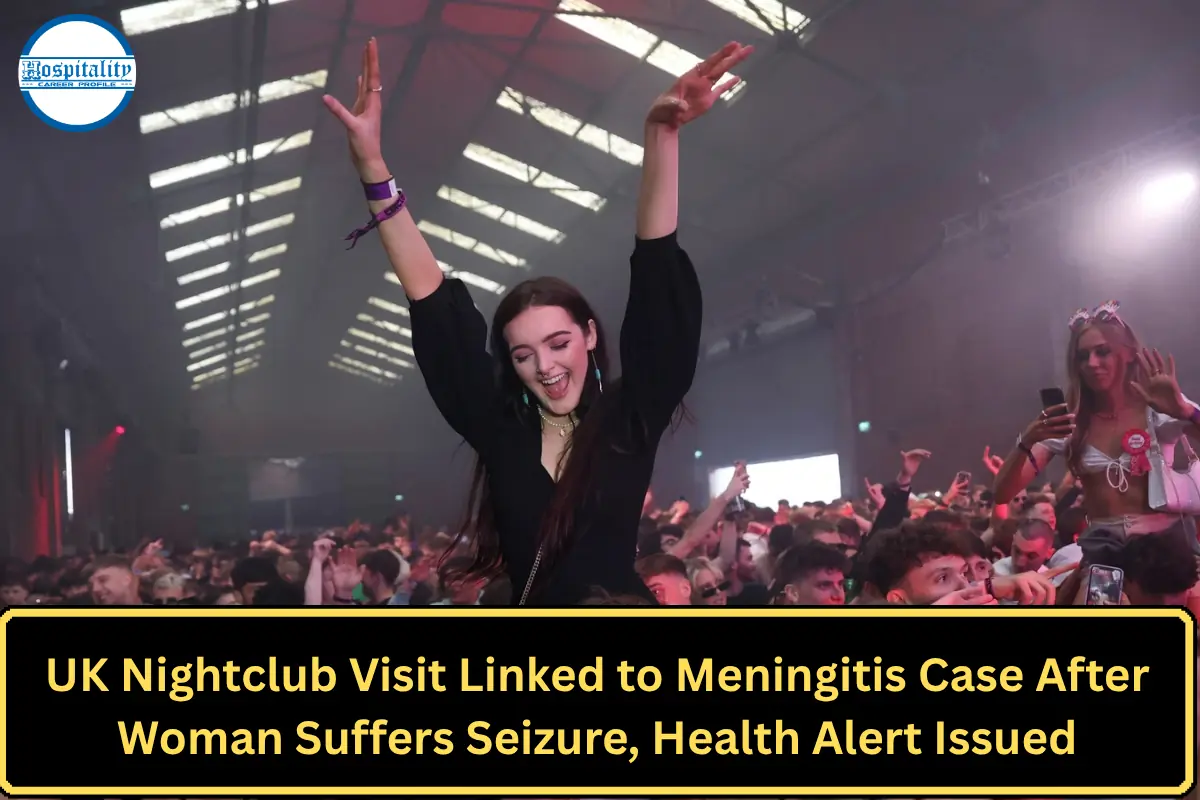
UK Nightclub Visit Linked to Meningitis Case After Woman Suffers Seizure, Health Alert Issued
A woman in the United Kingdom was diagnosed with meningitis after visiting a nightclub and subsequently suffering a seizure, prompting health authorities to issue a public health alert and initiate contact tracing efforts, officials confirmed in March 2026.
The case has raised concerns among public health officials due to the potential exposure of other individuals who may have been present at the venue. Authorities are working to identify and notify those who may have come into close contact with the infected individual to prevent further spread of the disease.
Incident Sparks Public Health Response
According to reports, the woman began experiencing symptoms after attending a nightclub, with her condition worsening rapidly and leading to a seizure. She was later diagnosed with meningitis, a serious condition that involves inflammation of the membranes surrounding the brain and spinal cord.
Following the diagnosis, health authorities moved quickly to assess the situation and determine the level of risk to the public. Contact tracing measures were initiated to identify individuals who may have been exposed during the woman’s visit to the nightclub.
Officials emphasized that such rapid response is critical in preventing potential outbreaks, particularly in crowded social settings where infectious diseases can spread more easily.
Understanding Meningitis and Its Risks
Meningitis can be caused by bacterial, viral, or fungal infections, with bacterial meningitis being the most severe form. The disease can progress quickly and requires urgent medical attention to reduce the risk of complications.
Common symptoms include fever, headache, neck stiffness, sensitivity to light, confusion, and, in severe cases, seizures. The sudden onset of a seizure in this case highlights the potentially serious nature of the illness.
Health experts note that early diagnosis and treatment are essential for improving outcomes and preventing long-term complications.
Exposure Risks in Nightlife Settings
Nightclubs and other crowded venues can present challenges for disease control due to close physical proximity, shared spaces, and prolonged interaction among attendees. These conditions can facilitate the spread of infections, particularly those transmitted through respiratory droplets.
Authorities are investigating the specific circumstances of the case, including the duration of the woman’s visit and the number of people who may have been in close contact with her during that time.
Public health teams are also reviewing surveillance data to determine whether additional cases may be linked to the same exposure setting.
Contact Tracing and Preventive Measures
Health officials have urged individuals who visited the nightclub during the relevant period to remain vigilant for symptoms and seek medical advice if they feel unwell. Those identified as close contacts may be offered preventive antibiotics as a precautionary measure.
Contact tracing efforts are focused on identifying high-risk exposures, particularly individuals who had prolonged or close interaction with the infected woman. Authorities are also working with the nightclub management to gather information and support the investigation.
Clear communication with the public is being prioritized to ensure that individuals understand the risks and the steps they should take.
Public Awareness and Guidance
Officials have issued guidance advising the public to be aware of meningitis symptoms and to seek immediate medical attention if symptoms develop. Early intervention can significantly reduce the severity of the disease and prevent complications.
Healthcare providers have been alerted to the situation and are prepared to assess and manage suspected cases. Increased awareness among both the public and medical professionals is considered essential in controlling the spread.
Authorities also emphasized the importance of avoiding panic while remaining informed and responsive to official guidance.
Vaccination and Prevention Strategies
Vaccination remains one of the most effective ways to prevent certain types of meningitis. Health authorities are reviewing vaccination coverage and may consider targeted vaccination efforts if deemed necessary.
Individuals are encouraged to ensure that their immunizations are up to date, particularly those in high-risk groups. Preventive strategies also include maintaining good hygiene and minimizing close contact with individuals who show symptoms of illness.
Experts note that while vaccines are highly effective, they do not cover all strains, making vigilance and early response critical.
Healthcare System Preparedness
Hospitals and healthcare facilities have been placed on alert to manage potential cases arising from the exposure. Medical teams are equipped to provide prompt diagnosis and treatment, including antibiotics and supportive care for bacterial meningitis.
Laboratory testing is being used to confirm diagnoses and identify the specific strain involved, which can help guide treatment and public health measures.
Authorities have stated that the healthcare system is well-prepared to handle the situation, though ongoing monitoring is required.
Broader Implications for Public Health
The incident highlights the challenges of managing infectious diseases in social and urban environments where large numbers of people gather. It underscores the importance of rapid response systems and effective communication strategies in mitigating risks.
Public health experts stress that timely reporting, coordinated action, and community cooperation are key to preventing isolated cases from developing into larger outbreaks.
The case also serves as a reminder of the need for continued investment in disease surveillance and preparedness.
Ongoing Investigation
Investigations into the case are ongoing, with authorities continuing to monitor for any additional infections linked to the nightclub visit. Updates will be provided as more information becomes available.
Officials reiterated that individuals who may have been exposed should follow public health guidance and seek medical care if symptoms arise, as efforts continue to contain the situation and prevent further cases.