US CDC Warns of Rising Overdose Risk Linked to Fake Prescription Medicines Sold Online
The US CDC has issued a warning about increasing overdose risks linked to counterfeit prescription medicines sold through online platforms.
 Akanksha jain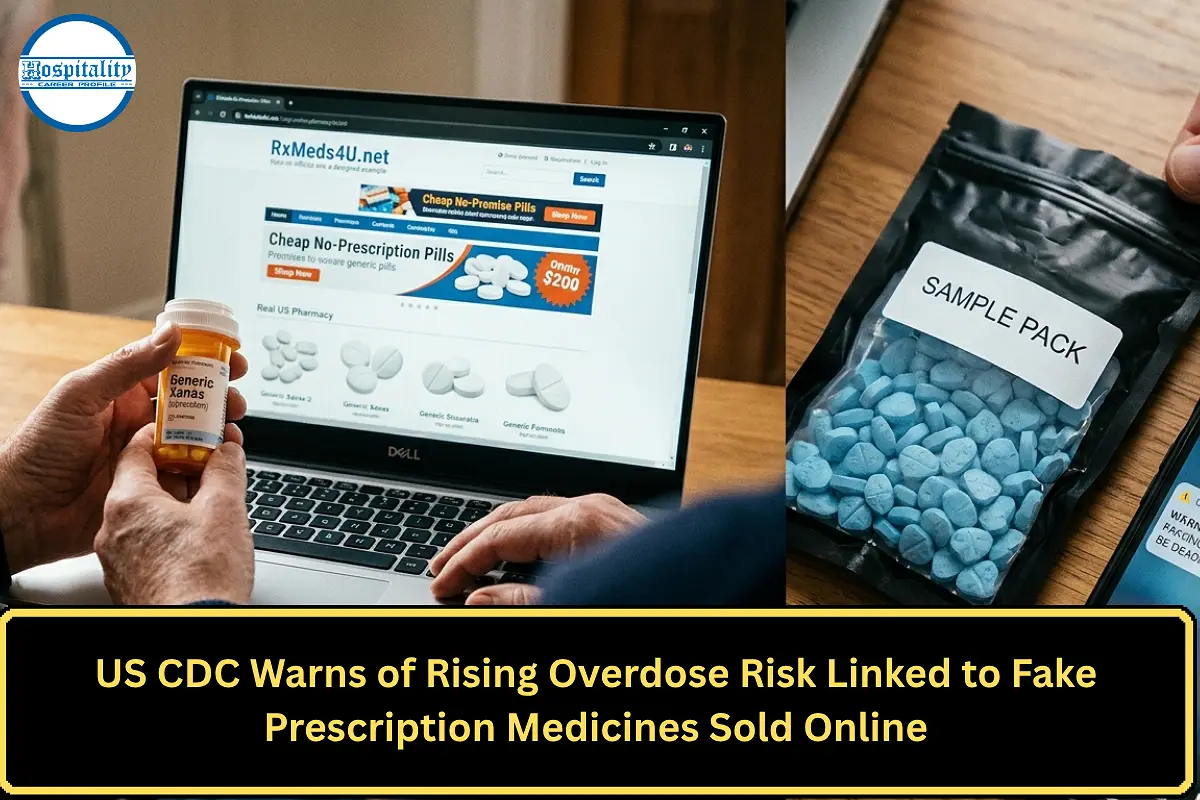
US CDC Warns of Rising Overdose Risk Linked to Fake Prescription Medicines Sold Online
The United States Centers for Disease Control and Prevention (CDC) has issued a public health warning in 2026 about a growing risk of overdose linked to counterfeit prescription medicines being sold through online platforms, highlighting concerns over patient safety, unregulated drug supply chains, and increasing misuse of medications globally.
The alert follows reports of individuals experiencing severe adverse effects, including overdose, after consuming what were believed to be legitimate prescription drugs purchased via unauthorized online pharmacies. Health officials said many of these counterfeit products contain dangerous substances, including highly potent synthetic opioids, which significantly increase the risk of life-threatening complications.
Counterfeit Medicines Pose Serious Health Threat
According to the CDC, fake prescription medications are often designed to closely resemble legitimate drugs in appearance, packaging, and labeling, making them difficult for consumers to distinguish from authentic products. However, these counterfeit versions may contain incorrect dosages, harmful additives, or entirely different active ingredients.
In several reported cases, counterfeit pills marketed as common medications such as painkillers or anti-anxiety drugs were found to contain fentanyl or other powerful substances, dramatically increasing the risk of overdose even with a single dose.
Health authorities warn that the unpredictability of these products makes them particularly dangerous, as users have no reliable way of knowing their composition or potency.
Growing Role of Online Platforms
The proliferation of online pharmacies and digital marketplaces has contributed to the spread of counterfeit medicines. While legitimate online pharmacies operate under regulatory oversight, many unverified websites sell prescription drugs without requiring proper medical authorization or quality assurance.
Experts note that the convenience and accessibility of online purchasing have made it easier for consumers to unknowingly obtain counterfeit medications. Social media platforms and informal online networks are also being used to promote and distribute these products.
The CDC emphasized that consumers should exercise caution when purchasing medications online and verify the legitimacy of sellers before making purchases.
Rising Overdose Incidents
Public health officials have observed an increase in overdose incidents linked to counterfeit drugs, particularly among individuals seeking prescription medications outside traditional healthcare systems. These cases often involve substances that are significantly more potent than expected, leading to rapid and severe health consequences.
The presence of synthetic opioids such as fentanyl in counterfeit pills has been identified as a major driver of overdose risk. Even small amounts of these substances can be fatal, especially for individuals without prior exposure or tolerance.
The CDC has urged healthcare providers to remain vigilant and consider the possibility of counterfeit drug exposure when treating patients with unexplained or severe symptoms.
Challenges in Regulation and Enforcement
Regulating the sale of prescription medicines online presents significant challenges for authorities, as many illegal operations operate across international borders. This makes it difficult to track and shut down counterfeit drug networks.
Law enforcement agencies and regulatory bodies are working to strengthen monitoring systems and collaborate internationally to combat the distribution of fake medicines. However, the rapid evolution of online marketplaces continues to pose obstacles to enforcement efforts.
Experts stress the importance of coordinated global action to address the issue and protect public health.
Guidance for Consumers
The CDC has issued several recommendations to help consumers reduce the risk of purchasing counterfeit medications. Individuals are advised to obtain prescription drugs only from licensed pharmacies and to avoid websites that do not require a valid prescription from a healthcare provider.
Consumers should also be cautious of unusually low prices, lack of contact information, and websites that operate without proper accreditation. Verifying pharmacy credentials through official regulatory bodies can help ensure the authenticity of medications.
Healthcare professionals play a key role in educating patients about the risks associated with counterfeit drugs and guiding them toward safe purchasing practices.
Impact on Public Health
The rise of counterfeit prescription medicines poses a broader threat to public health, undermining trust in healthcare systems and increasing the burden on emergency services. Overdose cases linked to fake drugs can strain healthcare resources and complicate treatment efforts.
In addition to immediate health risks, counterfeit medications can lead to treatment failures, prolonged illness, and the development of drug resistance, particularly in the case of antibiotics and other critical therapies.
Addressing this issue is essential to maintaining the integrity of pharmaceutical supply chains and ensuring patient safety.
Need for Awareness and Education
Public awareness campaigns are seen as a critical component in combating the spread of counterfeit medicines. Educating consumers about the risks and warning signs associated with fake drugs can help reduce demand and prevent harm.
Healthcare providers, policymakers, and industry stakeholders are encouraged to collaborate on initiatives that promote safe medication practices and strengthen regulatory frameworks.
Digital platforms may also play a role in identifying and removing illegal sellers, contributing to efforts to limit the availability of counterfeit products.
Global Implications
While the CDC warning focuses on the United States, the issue of counterfeit medicines is a global concern affecting multiple regions. The cross-border nature of online drug sales means that counterfeit products can reach consumers worldwide, including in countries with otherwise strong regulatory systems.
International organizations and governments are increasingly recognizing the need for coordinated action to address the problem, including information sharing, joint enforcement operations, and harmonized regulations.
Experts warn that without sustained efforts, the availability of counterfeit medicines is likely to continue growing alongside the expansion of digital commerce.
Conclusion
The CDC’s warning underscores the urgent need for vigilance, regulation, and public awareness as counterfeit prescription medicines sold online continue to pose a significant and potentially deadly risk to consumers.