US Court Halts Vaccine Panel, Leaving New COVID Shots in Regulatory Limbo
A US court decision halting an advisory panel linked to vaccine policymaking has left newer COVID-19 vaccines in regulatory limbo, impacting approval timelines and public health decisions.
 Akanksha jain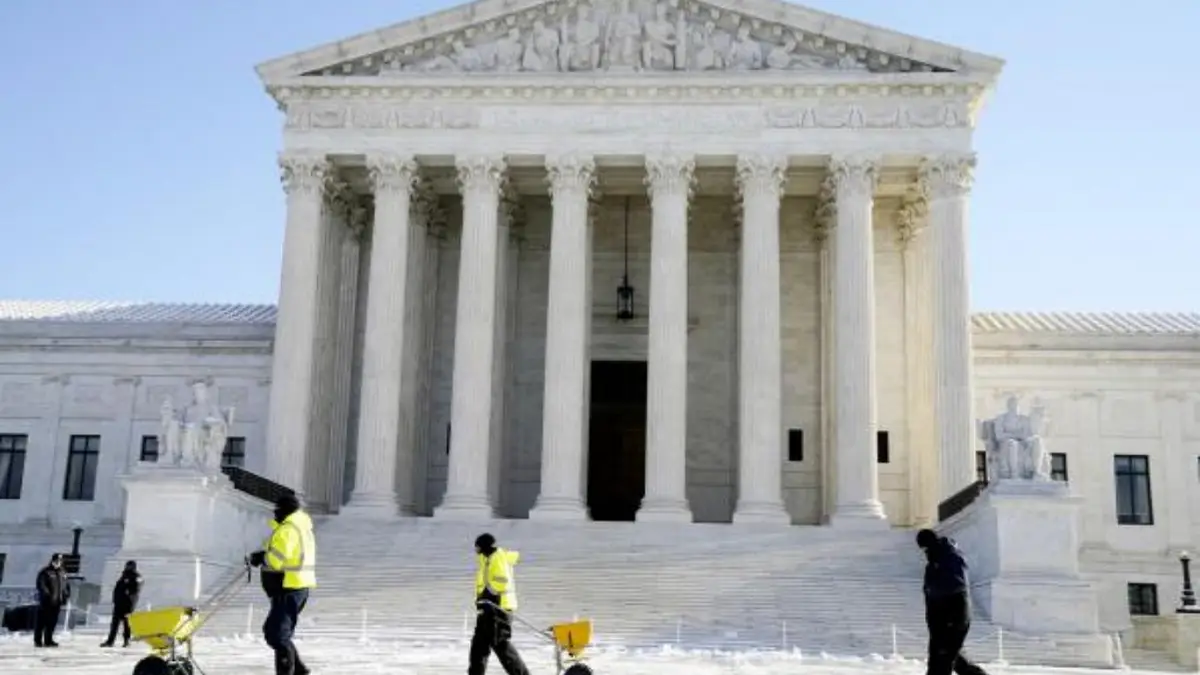
A US court decision has halted the functioning of a key vaccine advisory panel linked to policymaking, leaving newer COVID-19 vaccine approvals in uncertainty, according to developments reported in April 2026, raising concerns over delays in regulatory decisions and potential implications for public health planning.
The move affects the panel associated with vaccine recommendations and evaluations, which plays a critical role in guiding immunization strategies. With the panel’s operations paused, decisions regarding updated COVID-19 vaccines, including newer formulations, are now facing delays.
Regulatory Disruption Impacts Vaccine Decision-Making
The advisory panel serves as an important mechanism for reviewing scientific data and making recommendations on vaccine use, including approvals, dosing strategies, and target populations. Its suspension has disrupted the established process for evaluating new COVID-19 vaccines.
Without the panel’s input, regulatory authorities may face challenges in proceeding with decisions on updated vaccines designed to address evolving variants of the virus. The delay could affect timelines for rollout, particularly ahead of potential seasonal surges.
The situation highlights the dependence of public health systems on structured regulatory frameworks to ensure timely and evidence-based decisions.
New COVID-19 Vaccines Face Uncertainty
Pharmaceutical companies have been developing updated COVID-19 vaccines to improve protection against emerging variants. These newer formulations typically require review and recommendation by expert panels before broader deployment.
The court’s intervention has placed these vaccines in limbo, as the absence of formal recommendations may slow down or temporarily halt approval processes. This could impact both manufacturers and healthcare providers preparing for future vaccination campaigns.
The uncertainty also raises questions about how health authorities will manage vaccine updates in the absence of the advisory panel’s guidance.
Implications for Public Health Strategy
The delay in vaccine decision-making may have broader implications for public health strategies, particularly in maintaining immunity levels within populations. Updated vaccines are often aligned with evolving virus strains, and timely approval is essential for effective disease control.
Health systems rely on coordinated efforts between regulatory bodies, advisory panels, and manufacturers to ensure vaccines are available when needed. Disruptions in this process can affect preparedness and response to potential outbreaks.
Experts emphasize that maintaining continuity in regulatory processes is critical to ensuring public confidence and efficient healthcare delivery.
Legal Action Creates Policy Uncertainty
The court ruling that halted the panel is linked to legal challenges surrounding its structure or functioning. While details of the case continue to unfold, the decision has introduced uncertainty into vaccine governance mechanisms.
Legal interventions in public health policy can have immediate operational consequences, particularly when they affect advisory or regulatory bodies responsible for critical decisions. The current situation underscores the intersection between legal frameworks and healthcare policy.
Authorities may need to explore interim measures or alternative pathways to ensure that vaccine evaluation and approval processes continue without prolonged disruption.
Ongoing Developments and Next Steps
Officials are expected to assess options for restoring the panel’s operations or identifying alternative mechanisms to review vaccine data. The resolution of the legal issue will be key to resuming normal regulatory processes.
In the meantime, healthcare providers and policymakers are monitoring the situation closely, as delays in vaccine approvals could influence upcoming immunization strategies and public health planning.
The development comes at a time when COVID-19 continues to require ongoing management, with updated vaccines playing a central role in controlling transmission and reducing severe outcomes.