U.S. Futures Rise While Oil Prices Decline Amid Renewed Iran Peace Hopes
U.S. stock futures climb and oil prices retreat as investors react to renewed hopes of easing tensions with Iran, improving global market sentiment.
 RUKAIYA KADIVAL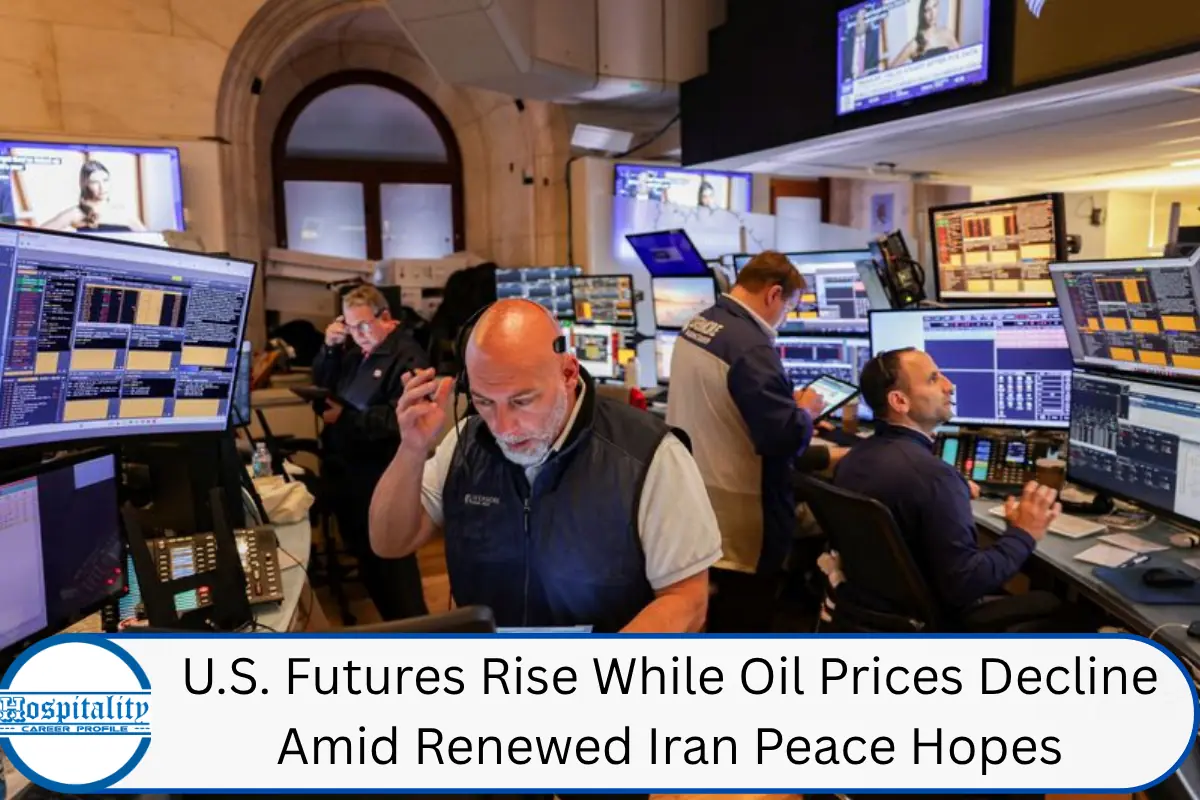
U.S. Futures Rise While Oil Prices Decline Amid Renewed Iran Peace Hopes
U.S. stock futures moved higher on Wednesday, while global oil prices declined, as investors reacted to renewed optimism over potential easing of tensions involving Iran. The developments, observed across international financial markets, come amid growing expectations that diplomatic progress could reduce geopolitical risks and stabilize energy markets.
Futures linked to major U.S. indices indicated a positive opening for Wall Street, supported by improved risk appetite among investors. At the same time, crude oil prices retreated, reflecting reduced concerns over potential supply disruptions in the Middle East. The shift in sentiment highlights the significant influence of geopolitical developments on financial markets.
The movement in both equities and commodities underscores how closely investors are monitoring global political signals in shaping market direction.
U.S. Futures Point to Positive Market Opening
U.S. equity futures traded higher, signaling potential gains in the upcoming trading session. Investors increased exposure to equities as geopolitical tensions appeared to ease, reducing uncertainty and encouraging risk-taking behavior.
Technology and growth-oriented stocks are expected to benefit from the improved sentiment, while broader indices may see support from institutional buying. The positive trend in futures suggests that market participants are positioning for stability in the near term.
Analysts noted that easing geopolitical concerns often provide short-term boosts to equity markets by reducing risk premiums.
Oil Prices Decline on Reduced Supply Concerns
Global oil prices fell as fears of supply disruptions linked to geopolitical tensions began to subside. The possibility of improved relations involving Iran raised expectations that oil supply constraints could ease, leading to downward pressure on prices.
Lower oil prices are generally seen as beneficial for global economic growth, as they reduce input costs for industries and ease inflationary pressures. This has contributed to improved sentiment in equity markets worldwide.
The decline in oil prices reflects a shift in market expectations toward a more stable supply environment.
Geopolitical Developments Drive Market Sentiment
Renewed hopes of diplomatic progress involving Iran have played a central role in shaping investor sentiment. Any indication of reduced tensions in the region is closely watched due to its implications for energy markets and global trade.
The Middle East remains a critical region for oil production, and changes in geopolitical dynamics can have far-reaching effects on supply chains and pricing. As a result, investors are highly sensitive to developments related to the region.
The current optimism suggests that markets are anticipating a reduction in geopolitical risks, at least in the short term.
Global Markets Reflect Improved Risk Appetite
Equity markets across Asia and Europe also showed positive trends, reflecting a broader improvement in risk appetite. Investors shifted toward equities and away from safe-haven assets as uncertainty declined.
This shift was accompanied by moderate movements in currency and bond markets, indicating a more balanced investment environment. The alignment of global markets highlights the interconnected nature of financial systems.
Improved sentiment across regions contributed to a more stable trading environment.
Impact on Inflation and Economic Outlook
The decline in oil prices has implications for inflation and economic growth. Lower energy costs can help ease inflationary pressures, providing central banks with greater flexibility in monetary policy decisions.
For consumers and businesses, reduced fuel costs can lead to increased spending and investment, supporting economic activity. This has strengthened expectations of a more favorable macroeconomic environment.
Investors are closely monitoring how these developments influence inflation trends in the coming months.
Sectoral Impact Across Markets
Energy stocks faced some pressure due to declining oil prices, while sectors such as transportation, manufacturing, and consumer goods benefited from the prospect of lower input costs. Technology stocks also gained support from improved sentiment.
The sectoral shifts reflect changing expectations about cost structures and profitability in different industries. Investors are adjusting their portfolios accordingly to capture potential opportunities.
The mixed performance across sectors highlights the importance of diversification in volatile market conditions.
Investor Strategy Adjusts to Changing Conditions
Investors are adapting their strategies in response to evolving geopolitical and economic conditions. The current environment favors a balanced approach, combining exposure to growth sectors with defensive assets to manage risk.
Institutional investors are focusing on high-quality equities with strong fundamentals, while retail investors are increasingly selective in their choices. The emphasis on risk management remains a key theme in current market strategies.
This approach is helping investors navigate uncertainty while remaining positioned for potential gains.
Market Volatility Remains a Key Consideration
Despite the positive sentiment, market volatility remains a concern, as geopolitical developments can change rapidly. Investors are aware that any setback in diplomatic efforts could reverse current trends and lead to renewed uncertainty.
As a result, market participants are maintaining a cautious outlook, even as they respond to positive signals. The balance between optimism and caution is shaping trading behavior across markets.
Volatility levels are expected to remain sensitive to news related to geopolitical developments.
Outlook for Global Markets
The outlook for global markets remains dependent on the trajectory of geopolitical developments and their impact on energy prices. Continued progress toward easing tensions could support further gains in equities and stability in commodity markets.
However, investors are likely to remain vigilant, closely tracking developments and adjusting strategies as needed. The interplay between geopolitical events and economic factors will continue to influence market direction.
U.S. futures rose while oil prices declined amid renewed hopes of easing tensions with Iran, with global markets reflecting cautious optimism as investors assess evolving geopolitical conditions.