U.S. Birth Doses of Hepatitis B Vaccine Declined Before CDC Scrapped Recommendation
Hepatitis B birth-dose vaccinations in the U.S. declined even before the CDC withdrew its recommendation, raising public health concerns about infant immunization coverage.
 Akanksha jain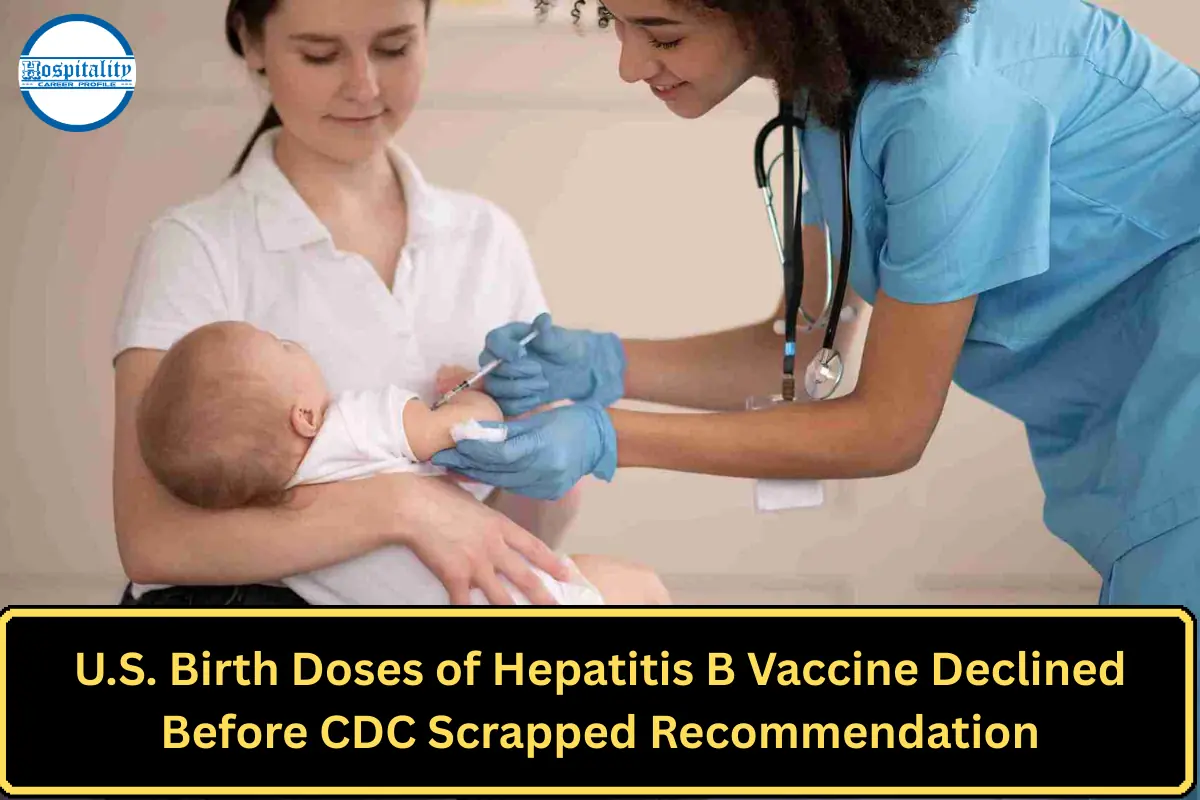
Rates of hepatitis B vaccine doses administered at birth had already begun declining before the CDC withdrew its recommendation, according to a report.
The trend has prompted concern among public health experts, who view the birth dose as a critical safeguard against perinatal transmission of hepatitis B, a viral infection that can lead to chronic liver disease.
Declining Uptake
Data cited in the report indicate that hospital-administered birth doses were decreasing even before the CDC’s policy shift. The reasons for the decline are not fully clear but may include changing hospital practices, parental hesitancy, and broader disruptions to routine immunization services in recent years.
Health officials stress that early vaccination remains one of the most effective strategies to prevent mother-to-child transmission of hepatitis B.
Public Health Implications
The hepatitis B birth dose is typically given within 24 hours of delivery and serves as a crucial first line of protection for newborns. Reduced uptake could increase vulnerability, particularly among infants born to mothers with undiagnosed infections.
Experts note that consistent immunization coverage is essential to maintaining progress toward hepatitis B elimination goals.
Monitoring and Response
Public health agencies are expected to continue monitoring vaccination trends and evaluating strategies to ensure adequate infant coverage. Healthcare providers may also increase outreach and education efforts to reinforce the importance of early immunization.
The development underscores ongoing challenges in sustaining routine vaccine uptake across the country.
```