U.S. Hospitality Sector Faces Economic Uncertainty Ahead of 2026 FIFA World Cup
The U.S. hospitality sector faces economic uncertainty and geopolitical challenges as it prepares for the tourism surge expected during the 2026 FIFA World Cup.
 SANJANA DUTTA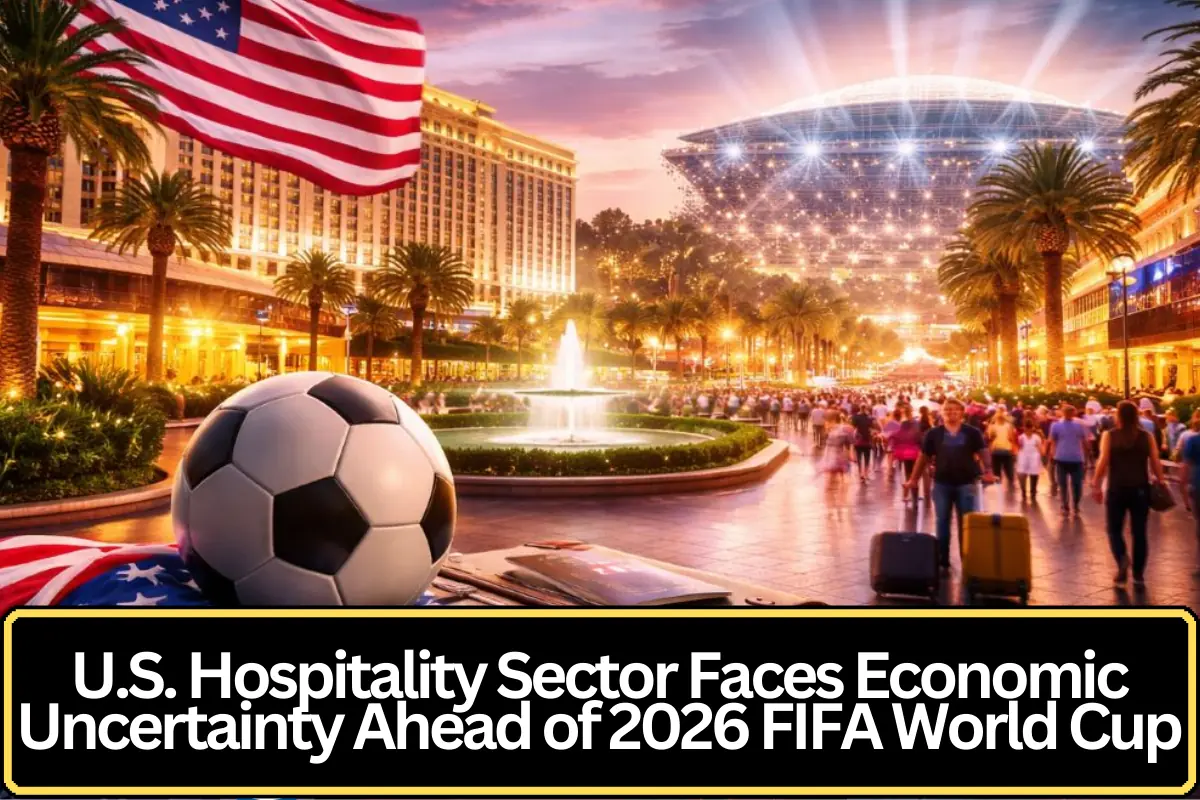
Hospitality Industry Preparing for Global Tourism Surge
The hospitality sector in the United States is preparing for a significant increase in international visitors ahead of the upcoming 2026 FIFA World Cup. While the tournament is expected to bring a major boost to tourism and travel-related businesses, industry experts say economic uncertainty and geopolitical tensions are creating challenges for hotels, restaurants, and tourism operators.
The global sporting event, which will be hosted across North America, is projected to attract millions of visitors from around the world. Hospitality businesses are investing in infrastructure, staffing, and service improvements to accommodate the anticipated surge in demand.
However, economic fluctuations, inflation concerns, and global political developments are influencing planning strategies within the sector.
Economic Pressures Affecting Hospitality Businesses
Hospitality companies are navigating a complex economic environment marked by rising operational costs and shifting travel patterns. Inflation, increased labor costs, and supply chain disruptions continue to affect hotel and tourism businesses across the country.
While the World Cup presents a major opportunity for revenue growth, businesses are cautious about long-term investments due to uncertain global economic conditions.
Industry leaders emphasize the importance of balancing expansion plans with financial stability as they prepare for the global event.
Impact on Hotels and Tourism Infrastructure
Hotels in host cities are expanding capacity, renovating properties, and upgrading services in anticipation of higher occupancy rates during the tournament.
Tourism boards and local governments are also working closely with hospitality providers to improve transportation, visitor experiences, and international travel connectivity.
These preparations are expected to play a critical role in ensuring smooth operations during the tournament.
Global Travel Trends Influencing the Market
Travel trends have been evolving rapidly in recent years. International tourism is gradually recovering and expanding, with sporting events continuing to act as major travel drivers.
The 2026 FIFA World Cup is projected to be one of the largest sporting events in history, with matches hosted across the United States, Canada, and Mexico.
This multi-country hosting model is expected to significantly increase cross-border tourism and travel spending.
Opportunities for Hospitality Growth
Despite uncertainties, hospitality experts see strong opportunities for growth in the years leading up to the tournament.
Hotels, restaurants, tour operators, and travel companies are positioning themselves to benefit from the expected influx of football fans, international media, and corporate sponsors.
Major sporting events historically generate billions of dollars in tourism revenue, creating long-term economic benefits for host destinations.
Geopolitical and Political Factors
Industry analysts also point to geopolitical developments that may influence international travel demand. Global conflicts, visa policies, and diplomatic relations can impact visitor numbers and travel patterns.
Tourism organizations are closely monitoring these factors while developing strategies to maintain stable visitor flows.
Ensuring safe and efficient travel experiences will remain a priority for both governments and hospitality stakeholders.
Looking Ahead to the 2026 Tournament
As preparations for the 2026 FIFA World Cup continue, the hospitality sector remains cautiously optimistic. The event offers a rare opportunity to showcase destinations, strengthen tourism infrastructure, and attract long‑term international visitors.
Industry leaders believe that strategic planning, investment in hospitality services, and strong collaboration between government and private sectors will be essential in maximizing the benefits of the tournament.
If managed effectively, the event could become a major milestone for tourism growth across North America.
For the hospitality industry, the years leading up to the tournament will be crucial in balancing economic challenges with the opportunities presented by one of the world’s biggest sporting events.