US Senate Republicans Launch Probe Into Abortion Pill Makers, Increase Pressure on FDA
US Senate abortion pill probe 2026, FDA abortion drug scrutiny, mifepristone investigation, US healthcare policy, pharmaceutical regulation, reproductive health debate
 Akanksha jain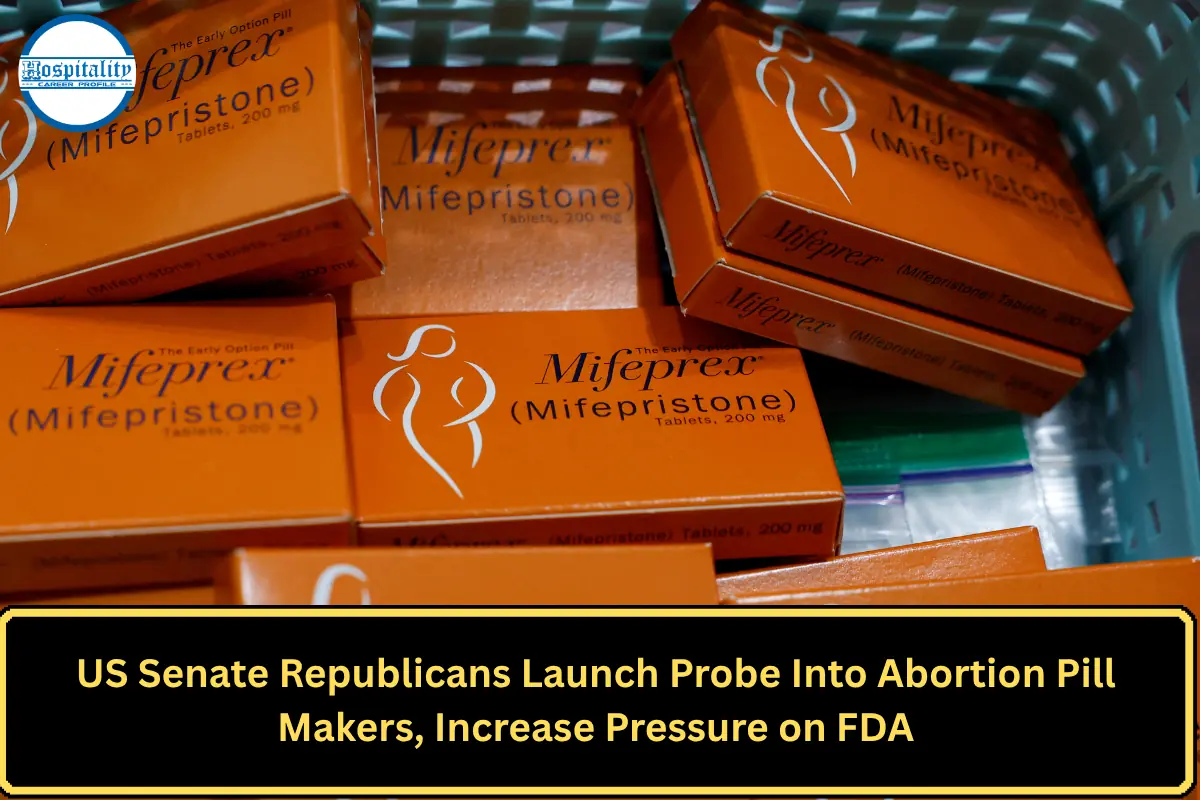
US Senate Republicans Launch Probe Into Abortion Pill Makers, Increase Pressure on FDA
Republican lawmakers in the United States Senate have launched a formal investigation into manufacturers of abortion pills, intensifying pressure on the Food and Drug Administration (FDA) over its oversight of the widely used medications, according to developments reported in March 2026. The probe seeks to examine the safety, approval process, and regulatory compliance of abortion drugs, bringing renewed political and regulatory scrutiny to reproductive healthcare in the country.
The investigation is being led by key Republican senators who have raised concerns about how abortion pills were approved and monitored, particularly focusing on potential risks and whether regulatory standards were adequately enforced. The move marks a significant escalation in the ongoing debate surrounding access to abortion and the role of federal agencies in overseeing pharmaceutical products.
Focus of the Investigation
The Senate probe is expected to scrutinize abortion pill manufacturers, including their clinical trial data, reporting practices, and adherence to safety protocols. Lawmakers have indicated that they will seek detailed information on how adverse events are tracked and reported, as well as the long-term safety profile of the drugs.
At the center of the inquiry is the FDA’s regulatory framework, with senators questioning whether the agency followed appropriate procedures when approving and updating guidelines for abortion medications. The investigation may also assess whether recent changes in access policies align with established safety standards.
Officials involved in the probe have emphasized the need for transparency and accountability in pharmaceutical regulation, particularly for drugs that are widely used across the country.
Political and Regulatory Context
The investigation comes amid heightened political tensions over abortion rights in the United States, following a series of legal and policy changes at both federal and state levels. Abortion pills, including those used in medication abortions, have become a focal point in the broader debate over reproductive healthcare access.
Republican lawmakers have argued that increased oversight is necessary to ensure patient safety, while critics of the probe contend that it may be politically motivated and could restrict access to essential healthcare services.
The FDA, as the primary regulatory authority for pharmaceuticals, has faced growing scrutiny from lawmakers on both sides of the political spectrum, reflecting broader concerns about regulatory decision-making and public health priorities.
Impact on the FDA
The investigation places additional pressure on the FDA, which is responsible for evaluating the safety and efficacy of drugs before and after they reach the market. The agency may be required to provide detailed documentation and respond to inquiries from lawmakers regarding its approval processes and monitoring systems.
Regulatory experts note that such probes can influence how agencies operate, potentially leading to changes in policies, increased oversight, or adjustments in how drugs are evaluated. The outcome of the investigation could have implications not only for abortion medications but also for broader pharmaceutical regulation.
The FDA has previously maintained that its decisions are based on rigorous scientific evidence and established regulatory standards, emphasizing its commitment to safeguarding public health.
Pharmaceutical Industry Response
Manufacturers of abortion pills are likely to face increased scrutiny as part of the investigation, with potential requests for data and internal documentation. The pharmaceutical industry has generally defended the safety and effectiveness of approved medications, citing extensive clinical research and regulatory review.
Industry stakeholders may also express concerns about the potential impact of political investigations on innovation and investment, particularly in areas related to reproductive health. Companies could face additional compliance requirements or delays in regulatory processes as a result of heightened oversight.
At the same time, the probe may prompt manufacturers to reinforce transparency and communication regarding their products and safety practices.
Implications for Healthcare Access
The investigation could have significant implications for access to abortion pills, which have become an increasingly common method of terminating pregnancies in the United States. Any regulatory changes or restrictions resulting from the probe may affect availability and distribution of these medications.
Healthcare providers and advocacy groups are closely monitoring the situation, as changes in policy could impact patient care and access to services. The outcome of the investigation may influence how abortion care is delivered, particularly in states with limited access to clinical services.
Experts warn that uncertainty surrounding regulatory decisions could create challenges for both patients and healthcare providers, highlighting the need for clear and consistent policies.
Legal and Policy Considerations
The Senate investigation is likely to intersect with ongoing legal challenges and policy debates related to abortion rights. Courts have played a significant role in shaping access to abortion services, and any findings from the probe could influence future legal proceedings.
Policymakers may also use the investigation’s findings to propose new legislation or regulatory changes, potentially reshaping the landscape of reproductive healthcare in the United States.
The issue remains deeply divisive, with strong opinions on both sides of the debate, underscoring the complexity of balancing public health, regulatory oversight, and individual rights.
Broader Healthcare and Regulatory Impact
Beyond abortion pills, the investigation could have broader implications for how pharmaceutical products are regulated and monitored in the United States. Increased scrutiny of the FDA may lead to reforms aimed at enhancing transparency and accountability.
Such developments could influence regulatory practices across the healthcare sector, affecting how drugs are approved, marketed, and monitored after approval. Stakeholders across the industry will be watching closely to assess the potential impact on future drug development and approval processes.
The probe also highlights the growing intersection of healthcare policy and politics, which continues to shape the regulatory environment.
Next Steps in the Investigation
Senate Republicans are expected to request documents, hold hearings, and engage with both regulators and pharmaceutical companies as part of the investigation. The timeline for the probe remains uncertain, but it is likely to unfold over the coming months.
The findings could lead to recommendations for policy changes, further investigations, or legislative action, depending on the conclusions reached by lawmakers.
Observers note that the investigation’s outcomes will depend on the evidence gathered and the broader political context in which it is conducted.
Conclusion
The Senate Republicans’ probe into abortion pill makers marks a significant escalation in scrutiny of the FDA and pharmaceutical regulation, with potential implications for healthcare access, policy, and the future of reproductive health in the United States.