Venezuela Grants Freedom to Political Prisoners Under Newly Enacted Amnesty Law
Venezuela has granted freedom to several political prisoners following the enactment of a new amnesty law, marking a significant development in the country’s ongoing political landscape.
 SANJANA DUTTA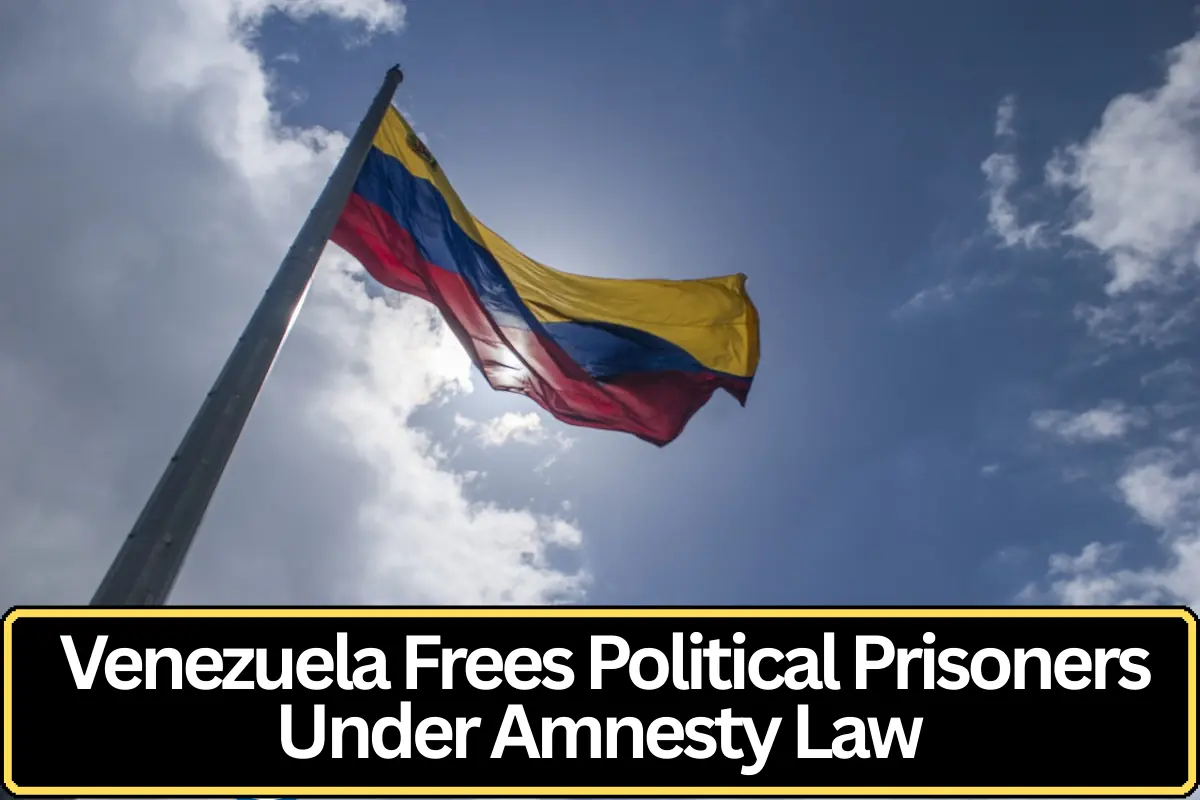
Amnesty Law Leads to Release of Political Prisoners in Venezuela
Venezuela has released a number of political prisoners after the implementation of a newly enacted amnesty law, signaling a notable shift in the country’s political climate. The development has drawn attention from both domestic stakeholders and international observers monitoring the nation’s human rights record.
The amnesty measure is intended to address cases related to political unrest and opposition activities, with authorities framing it as a step toward national reconciliation and political normalization.
Details of the Amnesty Legislation
The newly passed law provides legal relief for individuals detained in connection with political protests, dissent, or opposition-linked activities. Officials state that the legislation aims to reduce tensions and encourage broader political dialogue.
Legal experts note that amnesty provisions typically involve the withdrawal of charges or the termination of sentences for specified offenses, depending on eligibility criteria outlined in the law.
Domestic and International Reactions
Human rights organizations have cautiously welcomed the release of detainees while emphasizing the need for transparency and due process. Some advocacy groups have called for comprehensive reforms to ensure long-term protections for civil liberties.
International observers view the move as potentially significant in reshaping Venezuela’s diplomatic engagement, particularly with countries that have previously raised concerns about political detentions.
Implications for Venezuela’s Political Landscape
The release of political prisoners may influence ongoing political negotiations and electoral dynamics within the country. Analysts suggest that the amnesty law could serve as a confidence-building measure amid efforts to stabilize political institutions.
However, questions remain regarding the scope of the law, the number of beneficiaries, and whether additional reforms will follow.
Conclusion
The enactment of Venezuela’s amnesty law and the subsequent release of political prisoners mark a significant moment in the country’s evolving political trajectory. While the development has been received as a positive step by some, sustained reforms and institutional safeguards will likely determine its long-term impact.
Further developments are expected as authorities continue implementing the provisions of the new legislation.