Vice President Flags Rise in Lifestyle Diseases, Urges Shift Toward Nature-Based Living
India’s vice president has raised concerns over rising lifestyle diseases and called for a return to nature-based living to improve public health outcomes.
 Akanksha jain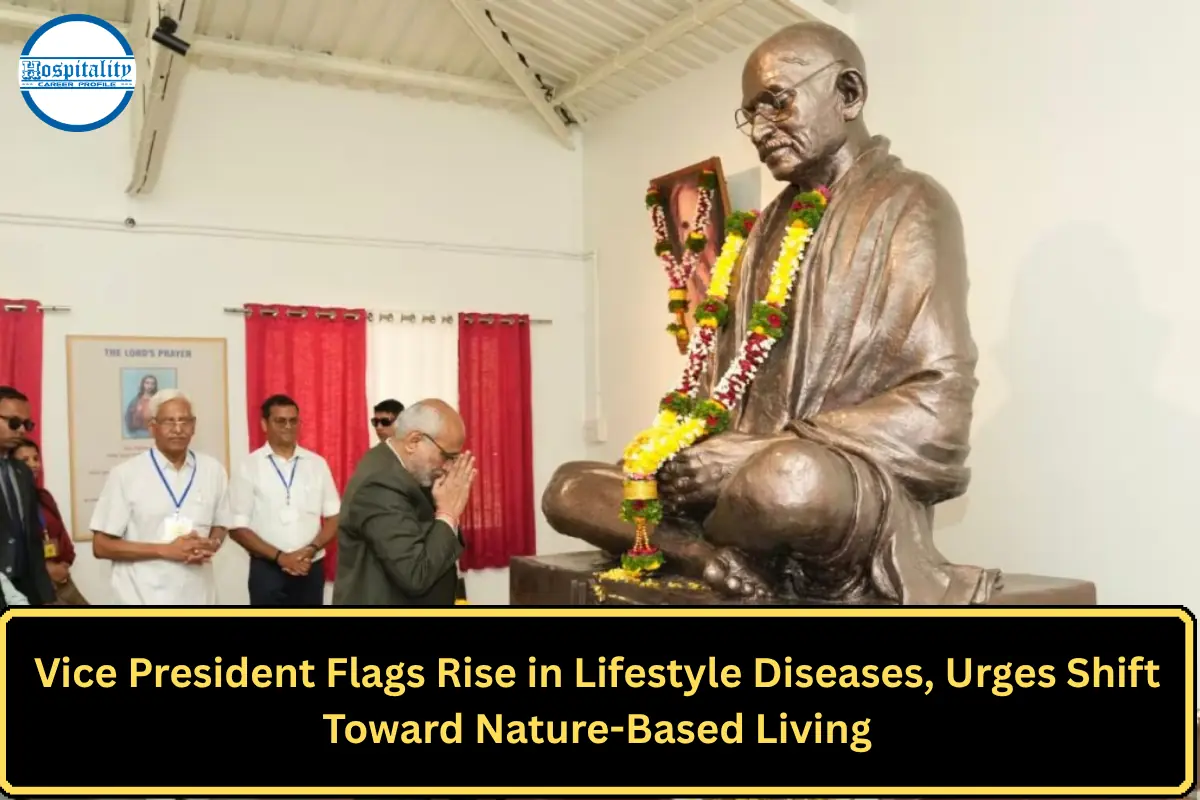
Vice President Flags Rise in Lifestyle Diseases, Urges Shift Toward Nature-Based Living
India’s Vice President Jagdeep Dhankhar, in March 2026, raised concerns over the growing burden of lifestyle-related diseases in the country, calling for a shift toward nature-based living and preventive healthcare practices to address the escalating public health challenge.
Speaking at a public event, the vice president highlighted the increasing prevalence of non-communicable diseases such as diabetes, hypertension, and cardiovascular conditions, attributing the trend to modern lifestyles characterized by poor dietary habits, physical inactivity, and rising stress levels. He emphasized the need for individuals and communities to adopt healthier, more balanced ways of living.
Rising Burden of Lifestyle Diseases
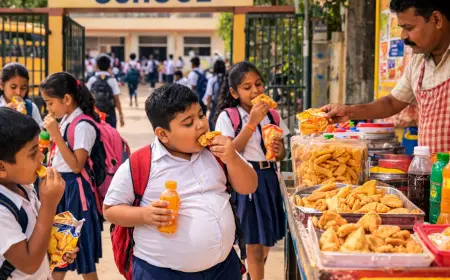
The vice president noted that lifestyle diseases have emerged as a major health concern in India, contributing significantly to morbidity and mortality rates. Rapid urbanization, changing work patterns, and increased reliance on processed foods have been identified as key drivers behind this shift.
Health experts have long warned that non-communicable diseases account for a large proportion of deaths in the country, placing a growing burden on healthcare systems. The vice president's remarks underscore the urgency of addressing these trends through both policy interventions and behavioral changes.
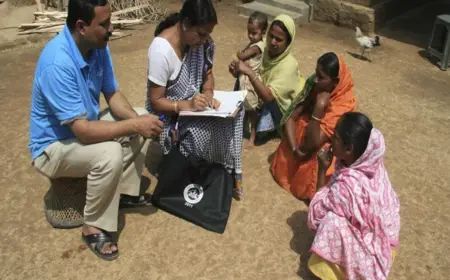
He stressed that the issue is not limited to urban areas, as lifestyle-related health problems are increasingly being reported in rural regions as well.
Call for Preventive Healthcare
Emphasizing prevention over treatment, the vice president urged citizens to prioritize regular physical activity, balanced nutrition, and mental well-being. He pointed out that preventive healthcare measures can significantly reduce the risk of developing chronic diseases and improve overall quality of life.
He also highlighted the importance of early detection and routine health check-ups, noting that timely intervention can help manage conditions more effectively and prevent complications.
Public awareness campaigns and community-level initiatives were identified as key tools in promoting preventive health practices across the population.
Return to Nature-Based Living
A central theme of the vice president's address was the need to reconnect with nature and adopt traditional, sustainable lifestyles. He advocated for increased consumption of natural and minimally processed foods, as well as greater engagement with outdoor activities.
According to him, nature-based living not only supports physical health but also contributes to mental well-being by reducing stress and enhancing overall life satisfaction.
He encouraged individuals to incorporate practices such as walking, yoga, and mindfulness into their daily routines as part of a holistic approach to health.
Role of Government and Institutions
The vice president also called on government bodies, educational institutions, and healthcare providers to play an active role in promoting healthy lifestyles. Policies that encourage physical activity, improve access to nutritious food, and create awareness about health risks were highlighted as essential components of a comprehensive strategy.
He noted that schools and workplaces can serve as important platforms for instilling healthy habits and fostering a culture of wellness. Integrating health education into curricula and workplace policies could help drive long-term behavioral change.
Collaboration between the public and private sectors was emphasized as a means to scale up health promotion efforts effectively.
Economic and Social Implications
The growing burden of lifestyle diseases has significant economic and social implications, including increased healthcare costs, reduced productivity, and financial strain on families. The vice president warned that failure to address these issues could have long-term consequences for national development.
He stressed that investing in preventive healthcare and promoting healthy living can yield substantial economic benefits by reducing the overall disease burden and improving workforce productivity.
Experts agree that a proactive approach to health management is essential for sustainable development.
Importance of Awareness and Behavioral Change
The vice president underscored the importance of awareness in driving behavioral change, noting that individuals must take responsibility for their health. He encouraged citizens to make informed choices regarding diet, exercise, and lifestyle habits.
Mass media and digital platforms were identified as powerful tools for disseminating health information and influencing public behavior. Campaigns that highlight the risks of unhealthy lifestyles and the benefits of positive changes can play a crucial role in shaping attitudes.
Community engagement and peer support were also highlighted as effective mechanisms for sustaining healthy behaviors.
Healthcare System Preparedness
While emphasizing prevention, the Vice President acknowledged the need for a मजबूत healthcare system capable of managing the growing burden of chronic diseases. Strengthening primary healthcare services and improving access to quality care were identified as key priorities.
He noted that a balanced approach combining preventive and curative strategies is essential to address the complex nature of lifestyle-related health challenges.
Investments in healthcare infrastructure, workforce training, and technology will be critical in ensuring effective service delivery.
Future Outlook
Looking ahead, the vice president expressed optimism that collective efforts by individuals, communities, and institutions can help reverse the trend of rising lifestyle diseases. He emphasized that small, consistent changes in daily habits can lead to significant improvements in public health outcomes.
He called for a nationwide movement toward healthier living, rooted in traditional values and supported by modern healthcare practices.
The address concluded with a call to action for all stakeholders to work together in promoting a culture of wellness and preventive care.
Conclusion
The vice president's warning highlights the growing urgency of tackling lifestyle diseases in India, with a renewed focus on preventive healthcare and nature-based living seen as key to improving long-term public health outcomes.