Walmart Faces Backlash Over AI-Driven Dynamic Pricing as Customers Call It Unfair
 Taniska Kumari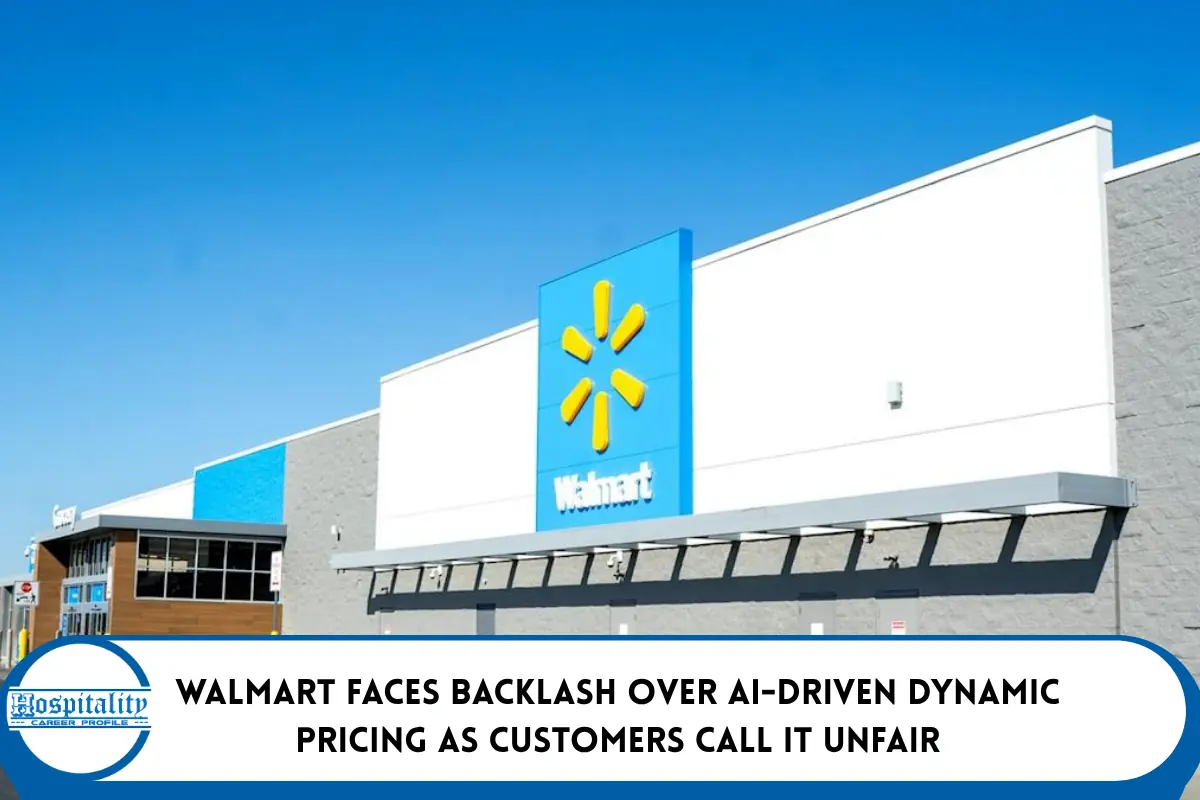
Walmart is facing growing backlash after reports revealed its use of artificial intelligence-driven dynamic pricing, with customers criticizing the strategy as unfair and exploitative. The controversy emerged in March 2026, primarily in the United States, where shoppers raised concerns over fluctuating prices that appear to change based on demand, timing, and other data-driven factors, prompting debate over transparency and consumer trust in AI-powered retail systems.
AI Pricing Strategy Sparks Outrage
The controversy centers on Walmart’s implementation of AI-based dynamic pricing, a system that adjusts product prices in real time based on various factors such as demand trends, customer behavior, inventory levels, and competitor pricing. While dynamic pricing has been widely used in industries such as airlines and hospitality, its application in everyday retail has triggered strong reactions from consumers.
Many customers have expressed frustration, claiming that the pricing system lacks transparency and may lead to inconsistent pricing for the same product. Critics argue that such practices could disadvantage certain shoppers, particularly those who are less aware of price fluctuations or unable to track changes over time.
Customer Concerns Over Fairness
Shoppers have taken to social media and online forums to voice their concerns, with some labeling the system as exploitative rather than innovative. Complaints include instances where prices appeared to increase during peak shopping hours or in response to heightened demand for specific items.
Consumer advocates have also raised questions about whether the technology could result in discriminatory pricing practices, where different customers are shown different prices based on their purchasing history or browsing behavior. Although there is no confirmed evidence of such practices, the lack of clarity has fueled skepticism.
Walmart’s Position on AI Pricing
Walmart has not publicly detailed the full scope of its AI pricing algorithms but has previously emphasized its commitment to offering competitive prices and improving customer experience through technology. The company has invested heavily in artificial intelligence and data analytics to optimize operations, manage inventory, and enhance decision-making.
Retail analysts note that dynamic pricing can help companies respond more quickly to market conditions, reduce waste, and improve efficiency. However, the success of such systems depends on how they are implemented and communicated to customers.
Industry Trend Toward Automation
The use of AI in pricing is part of a broader trend in the retail industry, where companies are increasingly adopting automation and data-driven strategies to remain competitive. As e-commerce continues to grow, retailers are under pressure to offer personalized experiences and real-time adjustments to pricing and promotions.
Dynamic pricing allows retailers to optimize revenue and respond to market changes more effectively. However, it also introduces new challenges related to fairness, transparency, and customer perception.
Regulatory and Ethical Questions
The controversy surrounding Walmart’s pricing strategy has drawn attention to the need for clearer regulations and ethical guidelines for AI use in retail. Lawmakers and consumer protection groups may examine whether current regulations adequately address the complexities of algorithm-driven pricing.
Key concerns include ensuring that pricing practices are transparent, preventing discriminatory outcomes, and maintaining fair competition. Regulators may also consider requiring companies to disclose how AI systems influence pricing decisions.
Impact on Consumer Trust
Trust is a critical factor in the retail sector, and any perception of unfairness can have long-term consequences for brand reputation. The backlash against Walmart highlights the importance of maintaining transparency and clear communication when introducing new technologies.
Customers expect consistency and fairness in pricing, and sudden or unexplained changes can erode confidence. Retailers adopting AI-driven systems must balance efficiency with customer expectations to avoid negative reactions.
Potential Benefits of Dynamic Pricing
Despite the criticism, dynamic pricing can offer several advantages when implemented effectively. It allows retailers to manage inventory more efficiently, reduce overstocking, and respond quickly to changes in demand. In some cases, it can also lead to lower prices for consumers during periods of reduced demand.
For businesses, the ability to adjust prices in real time can improve profitability and competitiveness. However, these benefits must be weighed against the potential risks to customer satisfaction and brand loyalty.
Comparison With Other Industries
Dynamic pricing is not new and has been widely used in industries such as airlines, ride-sharing, and hospitality. In these sectors, customers have become accustomed to fluctuating prices based on demand and timing.
However, applying similar models to everyday retail products represents a significant shift. Unlike travel or accommodation, where price variability is expected, consumers typically expect stable pricing for groceries and household goods.
Future of AI in Retail Pricing
The use of AI in retail is expected to continue expanding, with companies exploring new ways to leverage data for decision-making. Pricing strategies will likely become more sophisticated, incorporating additional variables and predictive analytics.
To ensure success, retailers may need to adopt more transparent approaches, such as clearly communicating when and why prices change. Providing customers with greater visibility into pricing mechanisms could help address concerns and build trust.
Industry Response and Outlook
The backlash against Walmart’s dynamic pricing strategy has sparked broader discussions within the retail industry about the role of AI in shaping customer experiences. Other companies may closely monitor the situation as they consider implementing similar technologies.
Industry experts suggest that while AI-driven pricing is likely to remain a key tool for retailers, its adoption will need to be carefully managed to avoid negative public perception. Balancing innovation with fairness will be essential for long-term success.
Conclusion
Walmart’s AI-driven dynamic pricing strategy has triggered significant customer backlash, highlighting the challenges of introducing advanced technologies in consumer-facing industries while maintaining trust and transparency.