West Asia Crisis Looms Over IMF-World Bank Meetings Amid Rising Inflation Risks
IMF and World Bank meetings face pressure from West Asia crisis as rising energy prices fuel inflation and threaten global growth stability.
 RUKAIYA KADIVAL
The upcoming meetings of the
The geopolitical conflict has already triggered sharp increases in oil and gas prices, intensifying inflationary pressures across both advanced and emerging economies. The situation is expected to dominate discussions among global financial leaders, alongside ongoing concerns over post-pandemic recovery and previous geopolitical shocks.
Energy Price Surge and Inflation Pressures
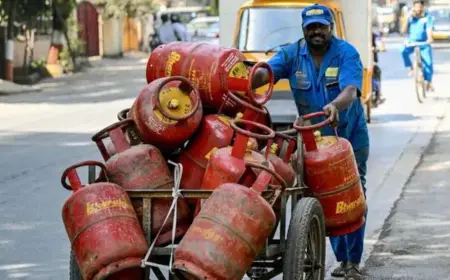
Rising energy costs have emerged as the most immediate economic consequence of the crisis. Supply disruptions and heightened uncertainty in West Asia have pushed oil and gas prices higher, feeding directly into inflation across economies that rely heavily on energy imports.
The impact is particularly severe for energy-importing nations, where higher import bills are straining fiscal balances and widening current account deficits. Governments in these economies are now facing the dual challenge of managing inflation while maintaining economic stability.
Inflationary pressures are not limited to energy. The spillover effects of higher fuel costs are being transmitted across sectors, increasing transportation expenses, production costs, and ultimately consumer prices.
Growth Outlook Under Pressure
Global financial institutions are expected to reassess their economic projections in response to the evolving crisis. Growth forecasts may be revised downward, especially for emerging and developing economies that are more vulnerable to external shocks.
Persistent high energy prices and disruptions to trade flows could slow economic activity, dampen investment sentiment, and weaken consumption. For countries already dealing with tight financial conditions, the added burden could significantly constrain growth prospects.
The risk of stagflation—a combination of slowing growth and rising inflation—is also re-emerging as a key concern in policy discussions.
Financial Market Volatility and Spillovers
The crisis has unsettled global financial markets, with increased volatility reflecting uncertainty over its duration and potential escalation. Investors are adjusting portfolios in response to shifting risk perceptions, leading to fluctuations in equity, currency, and bond markets.
Beyond energy, disruptions are spreading to food supply chains and global trade networks. These secondary effects are amplifying the economic impact, particularly in regions dependent on stable import flows for essential commodities.
Investment sentiment has also weakened, with businesses delaying decisions amid uncertainty, further contributing to slower economic momentum.
Rising Demand for Financial Support
Policymakers at the IMF and World Bank meetings are preparing for increased demand for financial assistance, particularly from low-income and vulnerable economies. Many of these countries are already facing high debt levels and limited fiscal space, making them more susceptible to external shocks.
The crisis could accelerate requests for emergency funding, debt restructuring, and policy support aimed at stabilizing economies under stress. Multilateral institutions are expected to play a central role in coordinating these responses.
At the same time, balancing support measures with the need to control inflation will remain a key policy challenge.
Global Coordination in Focus
As global leaders convene, the emphasis is likely to be on coordinated policy responses to mitigate the economic fallout. Efforts may include measures to stabilize energy markets, ensure supply chain continuity, and support vulnerable economies.
The situation highlights the growing influence of geopolitical tensions on global economic outcomes. With the West Asia crisis adding to an already fragile recovery environment shaped by the pandemic and previous conflicts, policymakers face increasing complexity in managing macroeconomic stability.
The meetings are expected to underscore the importance of international cooperation in addressing systemic risks and maintaining global financial resilience in the face of ongoing uncertainty.