WHO Chief Says 12 Killed in Strike on Primary Healthcare Center in Lebanon
WHO Director-General Tedros Adhanom Ghebreyesus said 12 people were killed after a strike hit a primary healthcare center in Lebanon, raising concerns about the safety of medical facilities during conflict.
 Akanksha jain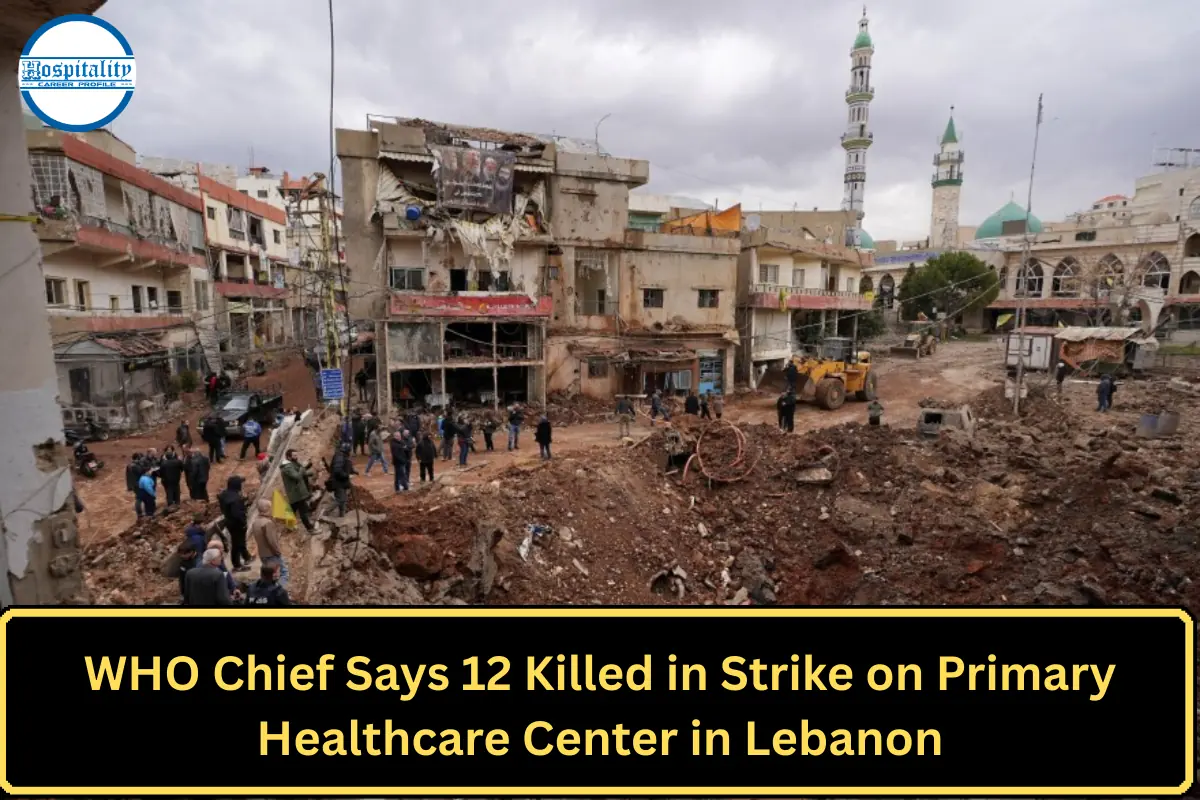
The head of the World Health Organization said that at least 12 people were killed after a strike hit a primary healthcare center in Lebanon, highlighting growing concerns about the safety of medical facilities in conflict zones. WHO Director‑General Tedros Adhanom Ghebreyesus reported the deaths on March 14 and warned that attacks affecting healthcare infrastructure place both medical workers and civilians at serious risk.
The incident occurred at a primary healthcare center providing essential services to the surrounding community. Health authorities and international organizations say such facilities often serve as critical lifelines for civilians during periods of instability, offering emergency care, basic medical treatment, and preventive health services.
The reported strike has drawn attention from global health officials, who have repeatedly called for the protection of healthcare systems during armed conflicts. Medical centers, hospitals, and healthcare workers are protected under international humanitarian law, which requires that medical facilities remain safe spaces for patients and healthcare providers.
Impact on Local Healthcare Services
Primary healthcare centers are often the first point of contact for medical care in many communities, particularly in regions facing humanitarian challenges. These facilities typically provide routine health services, maternal and child healthcare, vaccinations, and treatment for common illnesses.
Damage to such facilities can significantly disrupt healthcare delivery. When primary care centers are affected by violence or destruction, patients may lose access to essential medical services, forcing them to travel longer distances or seek treatment in already overwhelmed hospitals.
Healthcare providers operating in areas affected by conflict often face difficult working conditions, including shortages of medical supplies, damaged infrastructure, and limited access to safe transport routes. When healthcare centers are directly impacted by violence, the consequences can further weaken fragile healthcare systems.
International health organizations emphasize that maintaining access to healthcare during crises is essential for protecting civilian populations. Even short disruptions to medical services can have lasting consequences for vulnerable groups such as children, older adults, and individuals with chronic diseases.
Global Concern Over Attacks on Medical Facilities
The World Health Organization has consistently warned about the dangers posed by attacks on healthcare infrastructure. Health officials say that violence affecting hospitals and clinics can undermine entire healthcare systems and make it harder for communities to recover from emergencies.
Medical facilities play a critical role during periods of conflict and humanitarian crises. In addition to treating injuries caused by violence, healthcare centers continue to provide essential services such as vaccinations, prenatal care, and treatment for infectious diseases.
Health experts note that when healthcare infrastructure is damaged or destroyed, the impact extends beyond immediate casualties. Communities may face long-term health challenges due to reduced access to medical care, delayed treatment, and interruptions to preventive health programs.
International organizations have documented numerous incidents in recent years where healthcare facilities have been affected during armed conflicts. These incidents often lead to the displacement of medical staff, shortages of medicines, and disruptions to life‑saving services.
Role of the World Health Organization
The World Health Organization plays a central role in monitoring the impact of conflicts on global health systems. The organization works with governments, humanitarian groups, and healthcare providers to document incidents affecting healthcare infrastructure and advocate for the protection of medical services.
WHO officials have repeatedly called on all parties involved in conflicts to respect international humanitarian law and ensure that healthcare facilities remain protected. Medical workers, patients, and ambulances are considered protected entities under these legal frameworks.
In situations where healthcare systems are affected by violence, the organization often coordinates emergency response efforts. These responses may include delivering medical supplies, deploying health experts, and supporting local healthcare providers working under challenging conditions.
The WHO also collects data on attacks affecting healthcare facilities in order to raise awareness and encourage stronger protections for medical infrastructure. Such monitoring helps humanitarian organizations better understand the scale of challenges facing healthcare systems in conflict areas.
Challenges for Healthcare Systems in Conflict Zones
Healthcare systems operating in regions affected by conflict face multiple challenges that can hinder their ability to deliver care. Physical damage to hospitals and clinics is one of the most immediate threats, but healthcare providers must also contend with limited medical supplies, power outages, and disruptions to transportation networks.
Healthcare workers in these environments often continue providing services despite significant risks. Many doctors, nurses, and emergency responders remain on duty to ensure that injured civilians receive treatment and that essential health programs continue operating.
International humanitarian groups say protecting healthcare workers is just as important as protecting medical facilities. When healthcare staff are injured, displaced, or forced to leave their positions, the ability of communities to access medical care becomes severely limited.
Maintaining operational healthcare systems is particularly important during periods of instability, when communities may face increased health risks. Conflicts can lead to overcrowded shelters, limited sanitation infrastructure, and interruptions to routine vaccination programs, all of which can increase the risk of disease outbreaks.
Humanitarian and Public Health Implications
The destruction or disruption of healthcare facilities can create a broader humanitarian crisis. Without reliable access to medical care, communities may struggle to treat injuries, manage chronic illnesses, or respond to emerging public health threats.
Healthcare access is especially critical for vulnerable populations, including pregnant women, children, and older adults. Primary healthcare centers frequently serve as the only available source of medical care in certain regions.
Public health experts emphasize that protecting healthcare infrastructure is not only a humanitarian priority but also a public health necessity. Health systems weakened by violence may take years to rebuild, leaving communities with long-term healthcare challenges.
International agencies often work with local authorities to restore healthcare services after incidents that damage medical infrastructure. These efforts may include repairing facilities, delivering equipment, and supporting healthcare workers returning to service.
International Response and Calls for Protection
The reported strike on the healthcare center has prompted renewed calls from global health leaders to safeguard medical facilities during armed conflicts. International humanitarian law clearly outlines the obligation to protect healthcare providers and ensure that medical facilities remain neutral and safe.
Humanitarian organizations have consistently urged governments and armed groups to avoid actions that endanger healthcare infrastructure. Protecting these facilities ensures that civilians can continue receiving treatment even during periods of instability.
Global health authorities stress that attacks affecting healthcare services can undermine humanitarian response efforts and increase suffering among civilian populations. Ensuring the safety of medical infrastructure remains a key priority for international organizations working in conflict zones.
Current Situation
Health officials continue to monitor the situation following the reported strike on the primary healthcare center in Lebanon. The World Health Organization and other international agencies have reiterated their call to protect medical facilities and healthcare workers as efforts continue to maintain access to essential medical services for affected communities.