WHO Reports Progress in Expanding Inclusive Health Policies for Refugees and Migrants
WHO refugees' health policy 2026, migrant healthcare access, global health equity, inclusive health systems, refugee health services, public health policy WHO
 Akanksha jain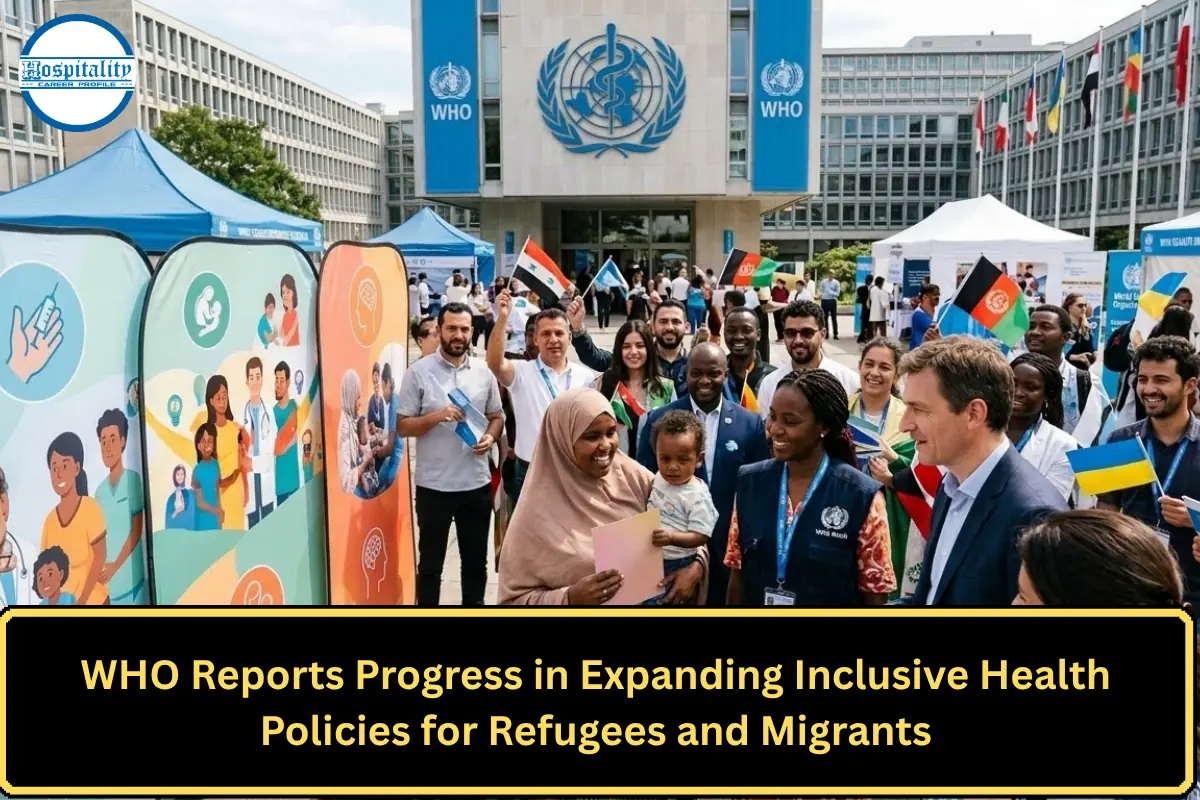
WHO Reports Progress in Expanding Inclusive Health Policies for Refugees and Migrants
The World Health Organization (WHO) on March 26, 2026, reported encouraging global progress in the development and implementation of inclusive health policies aimed at improving access to healthcare for refugees and migrants, highlighting efforts by multiple countries to address longstanding disparities in health services for these vulnerable populations.
The update, released as part of WHO’s ongoing monitoring of global health equity initiatives, outlines how governments and international partners are increasingly prioritizing inclusive healthcare frameworks that ensure refugees and migrants can access essential services regardless of legal or socioeconomic status. The report emphasizes that these efforts are critical in strengthening health systems and preventing public health risks.
Growing Focus on Health Equity
According to the WHO, countries across different regions have made notable strides in integrating refugees and migrants into national health systems. This includes expanding coverage under public health programs, reducing administrative barriers, and improving the availability of culturally appropriate healthcare services.
Health equity has become a central theme in global health policy, with governments recognizing that excluding certain populations from healthcare access can lead to broader health challenges. The inclusion of refugees and migrants is seen as essential not only for humanitarian reasons but also for maintaining overall public health resilience.
The report highlights that inclusive policies can contribute to earlier diagnosis, better disease management, and reduced transmission of communicable diseases within communities.
Policy Developments Across Regions
Several countries have introduced reforms aimed at expanding healthcare access for displaced populations. These measures include extending insurance coverage, offering free or subsidized services, and incorporating migrant health needs into national health strategies.
In some regions, governments have partnered with international organizations and non-governmental groups to strengthen service delivery, particularly in areas with high concentrations of refugees. Mobile health clinics, community outreach programs, and multilingual support services have been implemented to address specific challenges faced by migrant populations.
The WHO notes that while progress varies across regions, the overall trend indicates increasing political commitment to inclusive healthcare.
Addressing Barriers to Access
Despite the progress, significant barriers to healthcare access remain for refugees and migrants. These include legal restrictions, language barriers, financial constraints, and limited awareness of available services.
The WHO report underscores the importance of addressing these challenges through targeted interventions. Simplifying administrative procedures, improving health literacy, and ensuring the availability of interpretation services are among the recommended strategies.
Efforts to train healthcare providers in culturally sensitive care are also highlighted as critical to improving patient outcomes and building trust within migrant communities.
Impact on Public Health Systems
Expanding access to healthcare for refugees and migrants has broader implications for public health systems. Inclusive policies can help prevent the spread of infectious diseases, reduce emergency healthcare costs, and improve overall population health outcomes.
The WHO emphasizes that integrating migrants into health systems strengthens preparedness for health emergencies, including pandemics. Ensuring that all population groups have access to vaccination, testing, and treatment services is essential for effective disease control.
Countries that have adopted inclusive approaches have reported improved health indicators and more efficient use of healthcare resources.
Role of International Collaboration
The progress highlighted in the report has been supported by collaboration between governments, international organizations, and civil society groups. The WHO has played a key role in providing technical guidance, policy frameworks, and support for capacity building.
Global initiatives aimed at promoting migrant health have also contributed to knowledge sharing and the adoption of best practices. These efforts have helped countries design policies that are both effective and adaptable to local contexts.
The report stresses that continued international cooperation will be essential to sustaining progress and addressing emerging challenges.
Challenges in Implementation
While policy frameworks have improved, implementation remains uneven in many regions. Resource constraints, political considerations, and competing priorities can hinder the effective rollout of inclusive health measures.
The WHO notes that sustained investment in healthcare infrastructure and workforce development is necessary to ensure that policies translate into tangible benefits for refugees and migrants. Monitoring and evaluation mechanisms are also needed to track progress and identify gaps.
In addition, the report highlights the importance of community engagement in ensuring that policies are responsive to the needs of affected populations.
Future Directions
Looking ahead, the WHO calls for continued efforts to strengthen inclusive health policies and ensure universal health coverage. This includes integrating migrant health into broader national and global health strategies, as well as leveraging digital health technologies to improve service delivery.
Emerging tools such as electronic health records and telemedicine are expected to play a role in expanding access, particularly for populations in remote or underserved areas. However, ensuring data privacy and equitable access to technology will be critical considerations.
The organization also emphasizes the need for ongoing research to better understand the health needs of refugees and migrants and to inform evidence-based policymaking.
Global Significance
The progress reported by the WHO reflects a growing recognition of the importance of inclusive healthcare in achieving global health goals. As migration continues to shape demographic patterns worldwide, ensuring access to healthcare for all populations is becoming increasingly important.
Experts note that inclusive health policies not only address immediate healthcare needs but also contribute to social and economic stability. By improving health outcomes, countries can enhance productivity and reduce long-term healthcare costs.
The report highlights that investing in inclusive health systems is a critical step toward achieving sustainable development and reducing inequalities.
Conclusion
The WHO’s latest update underscores encouraging progress in expanding inclusive health policies for refugees and migrants, while emphasizing the need for continued efforts to address remaining challenges and ensure equitable access to healthcare worldwide.