World Health Organization Warns of Rising Measles Cases Globally, Urges Stronger Immunization Coverage
The World Health Organization raises concern over increasing measles cases worldwide and calls on countries to strengthen routine immunization coverage to prevent further outbreaks.
 Akanksha jain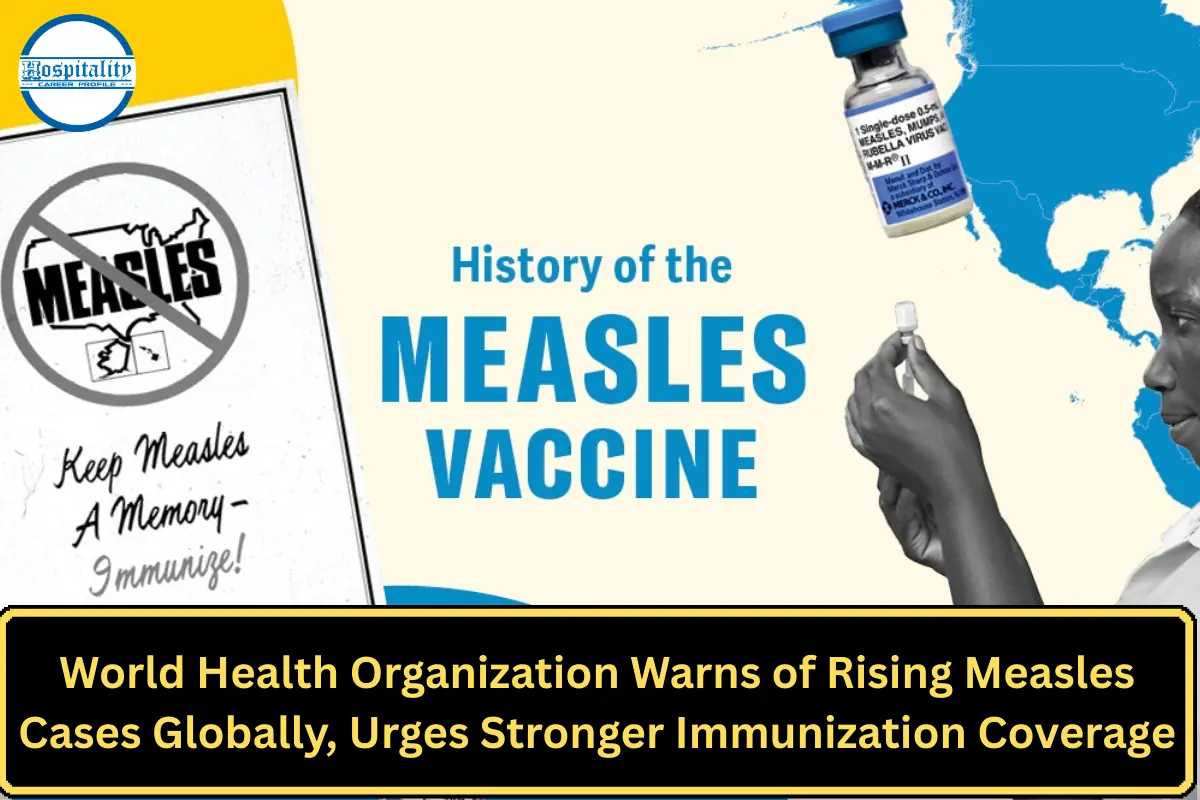
World Health Organization Flags Surge in Measles Cases Worldwide
The World Health Organization (WHO) has issued a strong warning over a significant rise in measles cases across multiple regions of the world. The global health body is urging countries to urgently reinforce routine immunization programs to prevent further outbreaks and protect vulnerable populations, particularly children.
According to WHO assessments, disruptions in vaccination coverage in recent years have created immunity gaps, allowing measles—a highly contagious viral disease—to spread more easily within communities. Health officials have emphasized that even short-term declines in immunization rates can trigger outbreaks.
Measles Resurgence Raises Global Concern
Measles remains one of the most infectious diseases globally. It spreads through respiratory droplets and can remain active in the air or on surfaces for several hours. While safe and effective vaccines are widely available, insufficient vaccination coverage has led to renewed transmission in various countries.
The WHO has highlighted that many regions are reporting an uptick in confirmed measles cases compared to previous years. The resurgence is particularly concerning in areas where routine immunization services were disrupted due to public health emergencies, healthcare access challenges, or vaccine hesitancy.
Importance of Routine Immunization Coverage
Closing Immunity Gaps
Routine immunization programs are the backbone of measles prevention. WHO stresses that achieving and maintaining at least 95 percent coverage with two doses of the measles-containing vaccine is essential to prevent outbreaks. When vaccination rates fall below this threshold, communities become vulnerable to rapid transmission.
Health authorities are calling on governments to identify areas with low coverage and conduct catch-up vaccination campaigns to protect unvaccinated children and at-risk groups.
Protecting Children and Vulnerable Populations
Children under five years of age, individuals with weakened immune systems, and populations with limited access to healthcare are at higher risk of severe measles complications. These complications can include pneumonia, severe dehydration, and, in rare cases, neurological conditions.
WHO has urged countries to prioritize equitable vaccine distribution to ensure that marginalized communities are not left behind.
Impact of Disrupted Health Services
Recent global health crises have placed enormous strain on healthcare systems. Routine vaccination services were delayed or interrupted in several regions, leading to missed immunization schedules. WHO officials warn that recovery efforts must focus not only on restoring services but also on strengthening health infrastructure to withstand future disruptions.
Rebuilding public trust in vaccination programs is also a key priority. Public health campaigns are being encouraged to provide accurate information and counter misinformation surrounding vaccines.
Global Call to Action
The WHO is working with national governments, international health agencies, and local partners to enhance surveillance, improve outbreak response mechanisms, and expand immunization outreach. Strengthening laboratory capacity and disease monitoring systems is considered essential for early detection and containment.
Health experts emphasize that measles is preventable through vaccination and that coordinated global action can significantly reduce the risk of large-scale outbreaks.
Long-Term Public Health Strategy
To sustain progress, WHO recommends integrating measles immunization efforts into broader primary healthcare strategies. Investing in healthcare workforce training, improving cold-chain logistics for vaccine storage, and maintaining consistent funding for immunization programs are critical components of long-term disease control.
The organization reiterates that maintaining high vaccination coverage is not only vital for individual protection but also for achieving herd immunity, which safeguards entire communities.
Conclusion
The rise in measles cases serves as a reminder that consistent immunization efforts remain essential for global health security. The World Health Organization’s call for strengthened routine vaccination coverage underscores the urgent need for coordinated action to prevent further outbreaks and protect future generations.
By reinforcing immunization systems and prioritizing equitable access to vaccines, countries can reverse the current trend and ensure sustained protection against measles worldwide.