Report Finds 95% of Women in Tech Ready to Lead in the AI Era in 2026
 Taniska Kumari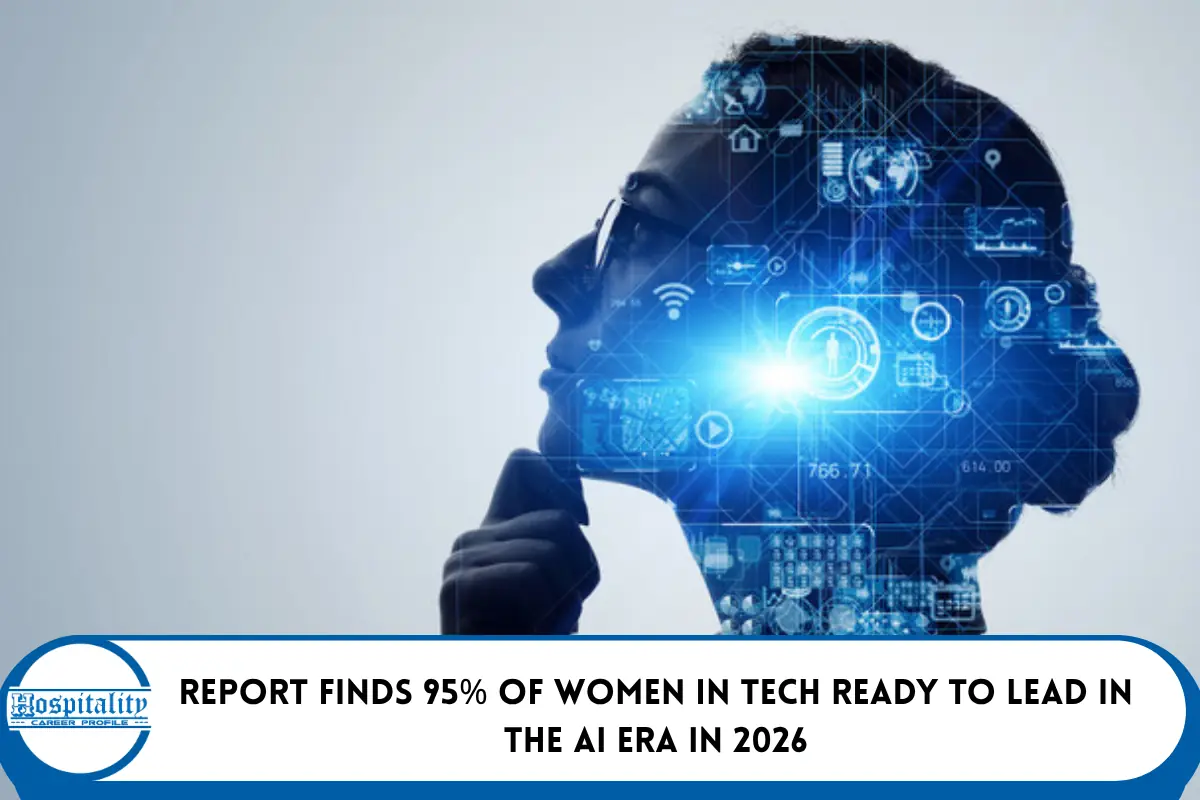
A new 2026 report has found that 95% of women working in the technology sector are ready to take on leadership roles in the artificial intelligence (AI) era, reflecting rising confidence, skills development, and increased participation in emerging technologies. The findings, released by ANSR, highlight a significant shift in workforce dynamics as companies accelerate their adoption of AI-driven solutions across industries.
Strong Confidence Among Women Professionals
The report indicates that women in technology are increasingly confident in their ability to lead AI initiatives, with a large majority expressing readiness to take on strategic and decision-making roles. This trend is driven by greater access to technical education, professional training, and industry exposure over the past decade.
As AI becomes central to business operations, organizations are seeking leaders who can navigate complex technological landscapes while driving innovation. The high level of readiness among women signals a growing pool of talent capable of meeting these demands.
Rising Participation in AI and Emerging Technologies
Women are playing a more active role in AI-related fields, including machine learning, data science, and automation. The report highlights increased participation in both technical and leadership tracks, reflecting broader efforts to improve diversity and inclusion in the tech industry.
Educational institutions and corporate training programs have contributed to this growth by offering specialized courses and certifications focused on AI and digital transformation. These initiatives are helping bridge skill gaps and prepare professionals for future roles.
Corporate Push for Diversity and Inclusion
Companies across sectors are placing greater emphasis on diversity as a key component of innovation and performance. The report notes that organizations are actively working to create inclusive environments that support the advancement of women into leadership positions.
This includes mentorship programs, leadership development initiatives, and policies aimed at reducing bias in hiring and promotion processes. Such efforts are helping to create pathways for women to move into senior roles within technology teams.
Challenges Still Remain
Despite the positive outlook, the report also identifies ongoing challenges that may hinder progress. These include gender bias, limited representation in top executive roles, and the need for continued investment in skill development.
Work-life balance and workplace culture remain areas of concern for many professionals, with some women reporting barriers to career advancement. Addressing these issues will be critical to sustaining momentum in the coming years.
Impact of AI on Workforce Dynamics
The growing influence of AI is reshaping workforce requirements, creating new roles while transforming existing ones. Women in tech are increasingly positioning themselves to take advantage of these changes by acquiring relevant skills and adapting to evolving job demands.
The report suggests that leadership in the AI era will require a combination of technical expertise, strategic thinking, and adaptability. Women who are prepared to meet these requirements are likely to play a key role in shaping the future of the industry.
India’s Role in the Global Tech Landscape
India continues to be a major contributor to the global technology workforce, with a large and growing pool of skilled professionals. The report highlights the country’s potential to lead in AI adoption and innovation, supported by its strong talent base.
Women in India’s tech sector are increasingly participating in global projects, contributing to advancements in AI and digital transformation. Their readiness to take on leadership roles is expected to strengthen the country’s position in the global market.
Importance of Upskilling and Continuous Learning
Continuous learning is identified as a key factor in preparing for leadership in the AI era. The report emphasizes the importance of upskilling in areas such as data analytics, programming, and AI frameworks.
Organizations are encouraged to invest in training programs that support employee growth and development. By providing access to learning resources, companies can ensure that their workforce remains competitive and capable of handling new challenges.
Future Outlook for Women in AI Leadership
The outlook for women in AI leadership roles appears positive, with strong indicators of growth and opportunity. As technology continues to evolve, the demand for skilled professionals is expected to increase, creating more opportunities for women to advance their careers.
The report suggests that sustained efforts in education, policy, and corporate practices will be essential to maintaining progress and ensuring that women are adequately represented in leadership positions.
Industry Response and Expectations
Industry leaders have welcomed the findings, noting that diversity in leadership can drive better decision-making and innovation. Companies are expected to continue focusing on inclusive hiring and development strategies to build balanced teams.
The emphasis on diversity is also aligned with broader global trends, where organizations are recognizing the value of varied perspectives in addressing complex challenges.
Conclusion
The ANSR report underscores a growing readiness among women in technology to lead in the AI era, signaling a shift toward more inclusive leadership as the industry continues to evolve.