X Platform Faces Scrutiny Over Amplification of Conservative Political Content
A new report raises concerns that X is disproportionately amplifying conservative political perspectives, prompting renewed debate over algorithmic transparency and platform neutrality.
 SANJANA DUTTA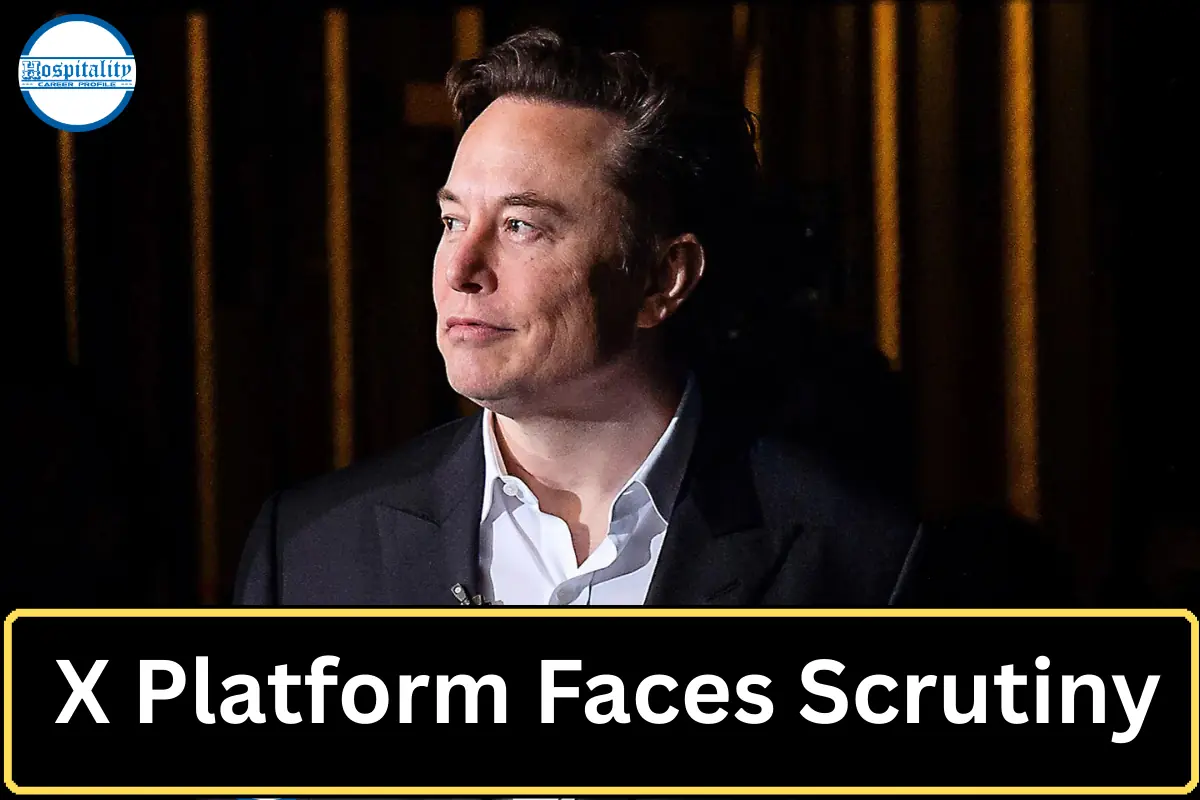
Growing Attention on Content Amplification Practices
The social media platform X is facing renewed scrutiny following reports that suggest conservative political perspectives are receiving disproportionate visibility on the platform. The findings have reignited global discussions around algorithmic transparency, political neutrality, and the role of digital platforms in shaping public discourse.
As social media continues to influence political awareness and opinion formation, concerns over how content is prioritized have become increasingly prominent. Observers argue that algorithmic decisions, while often presented as neutral, can have significant political and social consequences.
Shifts in Platform Direction and Governance
Since undergoing major changes in ownership and management, X has positioned itself as a platform committed to free expression and reduced content moderation. Leadership has repeatedly emphasized the importance of open debate and resistance to what it describes as viewpoint suppression.
These shifts have been accompanied by changes in platform policies, enforcement approaches, and algorithmic priorities. While supporters argue these changes promote balance and fairness, critics contend they may favor certain political viewpoints over others.
Concerns Over Disproportionate Visibility
At the center of the debate is the claim that conservative political content is being amplified more frequently than other perspectives. This includes higher engagement levels, increased recommendation frequency, and greater visibility in trending sections.
Analysts argue that amplification does not necessarily reflect organic popularity alone, but may also be influenced by algorithmic weighting and content ranking systems. These systems, while complex and proprietary, play a decisive role in determining what users see.
Algorithmic Influence on Political Reach
Algorithms are designed to maximize engagement by promoting content that generates interaction. Political content, particularly when polarizing, often performs well under such systems.
Critics argue that when engagement-driven algorithms intersect with political messaging, they may unintentionally prioritize more extreme or emotionally charged viewpoints. This can result in an uneven information environment where certain narratives dominate.
Platform Neutrality Under Question
The debate over X’s content practices has intensified broader questions about whether large digital platforms can remain politically neutral. While companies often frame their role as facilitators rather than publishers, their influence over information flow complicates this distinction.
Calls for transparency have grown louder, with policymakers, researchers, and civil society groups urging platforms to provide clearer explanations of how political content is ranked and recommended.
Transparency and Accountability Demands
Advocates for transparency argue that without insight into algorithmic processes, it is difficult to assess whether platforms are acting impartially. They stress that public trust depends on accountability mechanisms that allow independent evaluation.
In response, platforms including X have stated that revealing too much detail could expose systems to manipulation. This tension between transparency and operational security remains unresolved.
Impact on Public Discourse
The potential amplification of specific political viewpoints raises concerns about its effect on public discourse. When certain perspectives receive greater exposure, it may skew public perception of political consensus or debate.
Researchers warn that uneven visibility can reinforce echo chambers, limit exposure to diverse viewpoints, and contribute to polarization. These dynamics are particularly significant during election cycles and periods of political tension.
Global Reactions and Political Context
The issue has drawn attention beyond national boundaries, as X operates as a global platform with users across political systems and cultures. Governments and regulatory bodies in several regions are increasingly attentive to the political influence of digital platforms.
In some countries, platform behavior has become part of broader regulatory discussions around digital governance, misinformation, and electoral integrity.
Regulatory Pressure and Policy Debates
Lawmakers in multiple jurisdictions are exploring measures to increase oversight of social media platforms. Proposed approaches range from disclosure requirements to independent audits of algorithmic systems.
While regulation aims to protect democratic processes, critics caution that excessive intervention could threaten free expression or stifle innovation.
User Experience and Perception
For users, perceptions of bias can significantly affect trust in a platform. Some users welcome what they see as a correction to previous moderation practices, while others express concern over perceived favoritism.
User confidence in platform fairness plays a crucial role in long-term engagement and credibility. Persistent concerns over bias risk undermining that trust.
The Broader Debate on Digital Power
The situation surrounding X reflects a broader global debate about the power of digital platforms. As intermediaries of information, these companies wield influence comparable to traditional media, but often without equivalent oversight.
This influence raises fundamental questions about responsibility, governance, and the balance between free expression and societal impact.
Balancing Openness and Responsibility
Supporters of minimal moderation argue that open platforms allow users to evaluate information independently. Opponents counter that unregulated amplification can distort discourse and amplify misinformation.
Finding a balance between openness and responsibility remains one of the most pressing challenges facing digital platforms today.
Future Implications for Social Media Governance
As scrutiny intensifies, platforms like X may face increasing pressure to adapt their practices. This could include clearer communication about content ranking, stronger oversight mechanisms, or engagement with independent researchers.
The outcome of these debates will likely shape the future of social media governance and its role in political life.
Conclusion
The concerns surrounding X’s alleged amplification of conservative political content underscore the growing importance of algorithmic accountability in the digital age. As social media platforms continue to shape political discourse, questions of neutrality, transparency, and responsibility will remain central.
Whether through self-regulation, public pressure, or formal oversight, the way platforms address these concerns will have lasting implications for democratic engagement and public trust in digital communication spaces.