Xi Jinping Calls for Stronger Political Loyalty to Accelerate China’s Military Modernization
Chinese President Xi Jinping has called for stronger political loyalty within the armed forces while emphasizing efforts to advance the modernization of China’s military and national defense capabilities.
 SANJANA DUTTA
Xi Jinping Calls for Stronger Political Loyalty in China’s Armed Forces
Chinese President Xi Jinping has emphasized the importance of strengthening political loyalty within the country’s armed forces, calling on military personnel to firmly align themselves with the leadership of the Communist Party of China. His remarks come at a time when China continues to pursue sweeping reforms aimed at modernizing its military and strengthening national defense capabilities.
The Chinese leader’s comments underline the central role that political discipline and ideological commitment play within China’s military system. In recent years, Beijing has placed increasing emphasis on ensuring that the armed forces remain closely tied to the Communist Party’s leadership while also improving operational readiness and technological capabilities.
Observers say the renewed emphasis on loyalty reflects broader efforts by the Chinese leadership to maintain strong control over the military as the country expands its strategic and defense ambitions.
Focus on Party Leadership Over the Military
China’s military operates under a system in which the Communist Party exercises direct authority over the armed forces. Unlike many countries where the military reports primarily to state institutions, the People’s Liberation Army functions as the military arm of the Communist Party itself.
Xi Jinping reiterated that maintaining absolute loyalty to the party remains a foundational principle for the armed forces. He stressed that political commitment should guide military development and decision‑making across all branches of the defense establishment.
Analysts note that the message is part of a consistent theme in Xi’s leadership approach, which prioritizes ideological discipline alongside military capability. The emphasis on loyalty also reflects the belief among Chinese leaders that political unity within the military is essential for national stability and long‑term strategic planning.
Modernization of the People’s Liberation Army
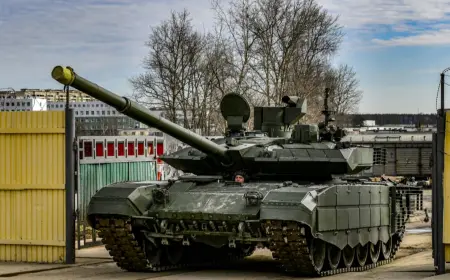
China has been pursuing one of the most ambitious military modernization programs in its history. Over the past decade, the government has significantly increased defense spending and launched major initiatives aimed at transforming the People’s Liberation Army into a modern and technologically advanced fighting force.
The modernization effort focuses on improving a wide range of capabilities, including advanced weapons systems, cyber warfare capacity, space‑based technologies, and naval expansion. These developments are intended to ensure that China’s armed forces are prepared to address evolving security challenges in an increasingly complex global environment.
Military reforms have also targeted the restructuring of command systems, the integration of joint operations among different service branches, and the adoption of modern warfare doctrines. The aim is to create a more agile and efficient military structure capable of responding quickly to potential threats.
Technological Transformation
One of the most significant elements of China’s defense modernization strategy involves investment in cutting‑edge technology. Artificial intelligence, advanced surveillance systems, hypersonic weapons, and unmanned platforms are all areas where Chinese researchers and defense institutions are making substantial progress.
These technological developments are intended to give China a strategic edge in future conflicts, particularly in areas such as electronic warfare, missile defense, and information dominance. Military planners in Beijing view these innovations as essential to maintaining competitiveness with other major powers.
At the same time, the leadership has emphasized that technological progress must be accompanied by strong political discipline and ideological unity within the armed forces.
Strengthening Discipline and Anti‑Corruption Measures
Another major focus of recent military reforms has been the campaign against corruption within the defense establishment. Over the years, several high‑ranking officers have been investigated and removed from their positions as part of efforts to eliminate misconduct and reinforce internal accountability.
Chinese authorities have repeatedly stressed that corruption within the military can undermine operational effectiveness and weaken national security. As a result, disciplinary measures and stricter oversight have become key components of the reform agenda.
Xi Jinping has consistently argued that maintaining a clean and disciplined military structure is essential for ensuring the reliability and professionalism of the armed forces.
Institutional Reforms
Alongside anti‑corruption efforts, China has undertaken institutional changes designed to streamline the military’s command structure. Several departments and administrative units have been reorganized or merged in order to improve coordination and efficiency.
The reforms have also placed greater emphasis on joint command systems that allow different branches of the military to operate more effectively together. These structural adjustments are expected to enhance China’s ability to conduct complex operations across land, sea, air, cyber, and space domains.
Strategic Context Behind the Military Reforms
The modernization and reform of China’s military take place against the backdrop of shifting geopolitical dynamics and evolving security challenges. China’s growing global influence has led to greater involvement in international affairs, including participation in peacekeeping operations and the protection of overseas interests.
Beijing has also been expanding its naval presence and strengthening maritime capabilities to safeguard key trade routes and strategic waterways. The development of modern aircraft carriers, advanced submarines, and long‑range missile systems reflects these broader ambitions.
Defense analysts say the emphasis on loyalty and discipline ensures that these expanding capabilities remain closely aligned with national policy objectives and strategic priorities.
Regional Security Considerations
China’s military reforms are also influenced by regional security developments. The Asia‑Pacific region has become an increasingly important strategic environment, with multiple countries strengthening their own defense capabilities and forming new partnerships.
In this context, China’s leadership views a modern and unified military as essential for protecting national interests and maintaining stability in the region.
While Beijing has repeatedly stated that its military development is defensive in nature, the scale and speed of modernization have drawn close attention from governments and security experts around the world.
Balancing Military Strength and Political Stability
Xi Jinping’s call for stronger political loyalty reflects a broader approach that combines military advancement with political stability. Chinese leaders believe that maintaining firm ideological alignment within the armed forces helps ensure that the military remains a reliable pillar of the state.
This approach also highlights the importance of unity between political leadership and defense institutions. By reinforcing loyalty and discipline, the government aims to create a stable foundation for long‑term military development.
Supporters of the strategy argue that strong political oversight can help prevent fragmentation within the armed forces while ensuring that defense policies remain consistent with national priorities.
Long‑Term Vision for the Military
China’s long‑term defense strategy aims to transform the People’s Liberation Army into a world‑class military by the middle of the 21st century. Achieving this goal requires not only technological progress and operational improvements but also a cohesive institutional culture rooted in discipline and loyalty.
The leadership has therefore emphasized training programs, educational initiatives, and ideological guidance designed to reinforce these values among military personnel at all levels.
By combining modernization with political cohesion, China hopes to create a defense system capable of supporting the country’s growing role on the global stage.
Global Implications of China’s Military Strategy
The evolution of China’s military capabilities has significant implications for international security. As the country expands its technological and operational capacities, other nations are closely monitoring developments within the People’s Liberation Army.
Some analysts view China’s modernization efforts as part of a broader shift in the global balance of power, while others emphasize the importance of diplomatic engagement and cooperation in managing potential tensions.
Regardless of differing perspectives, the continued modernization of China’s armed forces remains one of the most closely watched developments in global defense policy.
Xi Jinping’s emphasis on political loyalty signals that while China is investing heavily in advanced military capabilities, the leadership remains equally focused on ensuring that the armed forces remain firmly aligned with the principles and direction of the Communist Party.
As reforms continue and modernization progresses, the interplay between political control and military strength is likely to remain a defining feature of China’s defense strategy in the years ahead.