Zimbabwe Constitutional Reform Plan Sparks Fears Over Political Freedom
Zimbabwe’s proposed constitutional changes have raised concerns among citizens and activists, who fear the reforms could undermine political choice and democratic freedoms.
 SANJANA DUTTA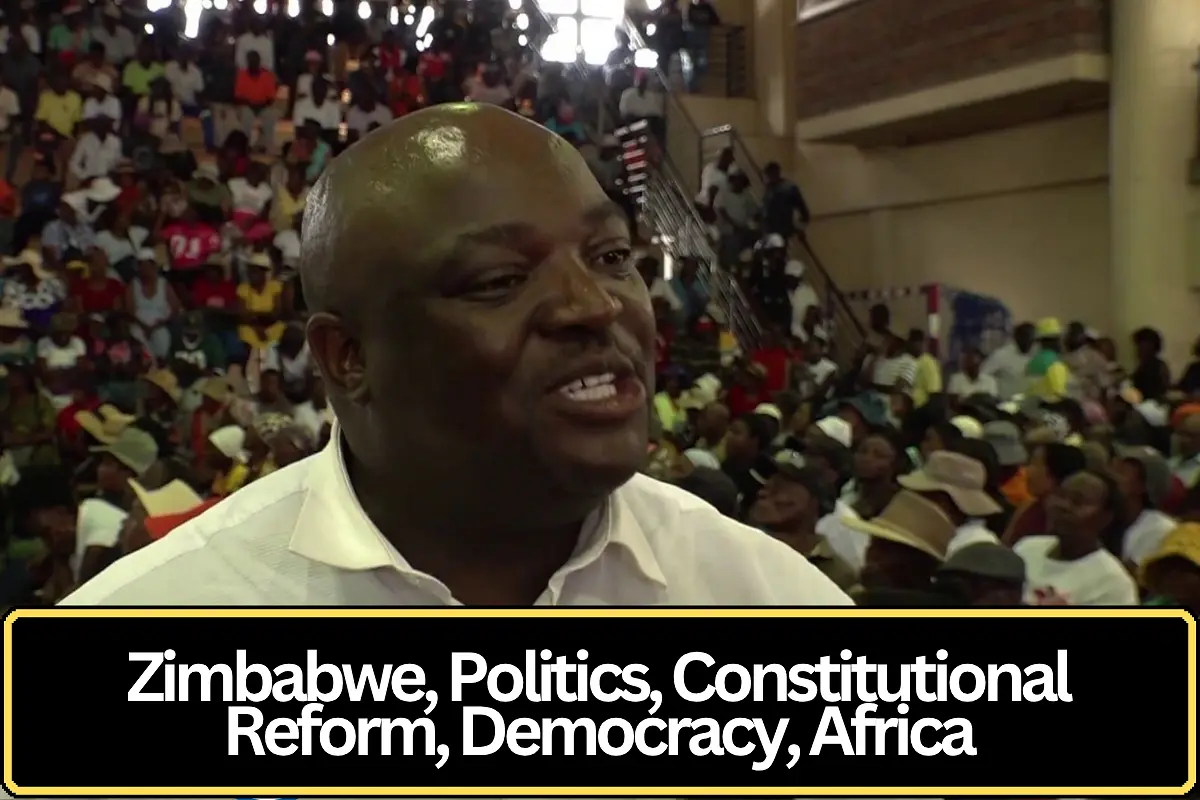
Proposed Changes Stir National Debate
HARARE, April 2, 2026 — Zimbabwe’s proposed constitutional reforms have ignited widespread concern among citizens, political activists, and legal experts, who warn that the planned changes could significantly restrict political choice and weaken democratic institutions in the southern African nation.
The government’s proposal, which is currently under review, seeks to amend key provisions of the constitution, including those governing presidential powers, electoral processes, and term limits. Officials argue that the changes are necessary to improve governance and ensure stability, but critics say they could entrench political power and reduce accountability.
Concerns Over Democratic Backsliding
Opposition leaders and civil society organizations have voiced alarm over what they describe as a potential rollback of democratic gains achieved since the adoption of Zimbabwe’s current constitution in 2013. They argue that altering provisions related to executive authority could tilt the balance of power further in favor of the presidency.
Legal analysts warn that expanding presidential influence over institutions such as the judiciary and electoral bodies could undermine their independence. This, they say, may erode public trust in the electoral process and weaken the system of checks and balances essential to a functioning democracy.
Many citizens have expressed fears that the proposed amendments could limit their ability to freely choose their leaders, particularly if changes affect how elections are conducted or how candidates are vetted.
Government Defends Reform Agenda
Government officials have defended the proposed reforms, stating that they are intended to address gaps in the current constitutional framework and improve administrative efficiency. They argue that stronger executive authority could enable more decisive governance and accelerate development initiatives.
Authorities have also emphasized that the reform process will follow legal procedures, including parliamentary debate and public consultation. Officials insist that the amendments will ultimately benefit the country by creating a more streamlined and effective governance structure.
However, critics remain skeptical, questioning whether the consultation process will be sufficiently inclusive and transparent to reflect the will of the broader population.
Public Reaction and Civic Engagement
The proposed reforms have sparked a wave of public debate, with discussions taking place across social media platforms, community forums, and political gatherings. Activists have called for greater civic engagement, urging citizens to participate actively in the consultation process.
Some advocacy groups have begun organizing awareness campaigns to educate the public about the potential implications of the constitutional changes. These efforts aim to ensure that citizens understand their rights and the possible consequences of the proposed amendments.
At the same time, there are concerns about whether all voices will be heard equally, particularly in rural areas where access to information and platforms for participation may be limited.
Historical Context of Constitutional Reforms
Zimbabwe’s current constitution, adopted in 2013, was widely regarded as a milestone in the country’s political development. It introduced several reforms aimed at strengthening democratic governance, including term limits for the presidency and provisions to enhance judicial independence.
Since then, however, there have been ongoing debates about the need for further reforms. Supporters of the latest proposal argue that the evolving political and economic landscape necessitates adjustments to the constitutional framework.
Opponents counter that frequent amendments risk undermining the stability and integrity of the constitution, particularly if changes are perceived to serve narrow political interests.
Regional and International Implications
The developments in Zimbabwe are being closely watched by regional and international observers, who see the outcome of the reform process as a potential indicator of the country’s democratic trajectory. Concerns about governance and political freedoms could have implications for Zimbabwe’s relationships with international partners and investors.
Regional organizations and foreign governments have historically emphasized the importance of upholding democratic principles and the rule of law. Any perceived erosion of these standards could affect diplomatic relations and economic cooperation.
Analysts note that maintaining a transparent and inclusive reform process will be crucial in addressing these concerns and preserving Zimbabwe’s standing on the global stage.
Calls for Transparency and Accountability
Civil society groups have called on the government to ensure that the reform process is conducted transparently and that all stakeholders have an opportunity to contribute meaningfully. They stress the importance of safeguarding democratic principles and protecting citizens’ rights.
Legal experts have also urged lawmakers to carefully consider the long-term implications of any constitutional changes, emphasizing that the constitution should serve as a stable foundation for governance rather than a tool for political advantage.
There are growing calls for independent oversight of the reform process to ensure that it adheres to established legal and democratic standards.
Uncertain Path Ahead
As the debate continues, the future of Zimbabwe’s constitutional framework remains uncertain. The outcome of the reform process will likely have far-reaching consequences for the country’s political landscape and democratic institutions.
Observers say that the coming weeks will be critical, as public consultations and parliamentary deliberations shape the final form of the proposed amendments.
For many Zimbabweans, the stakes are high, with concerns about political representation and governance at the forefront of the national conversation.
Conclusion
The proposed constitutional reforms have sparked a pivotal moment in Zimbabwe’s political journey, with citizens, leaders, and observers closely watching how the process unfolds and what it means for the future of democracy in the country.
Current Status
The constitutional reform proposal remains under review, with ongoing public debate and consultations expected to influence its final outcome.