$1 Million Funding Boost Advances Research into Novel Brain Cancer Treatments
New $1 million funding supports advanced research into novel brain cancer treatments, aiming to improve therapeutic strategies and patient outcomes.
 Akanksha jain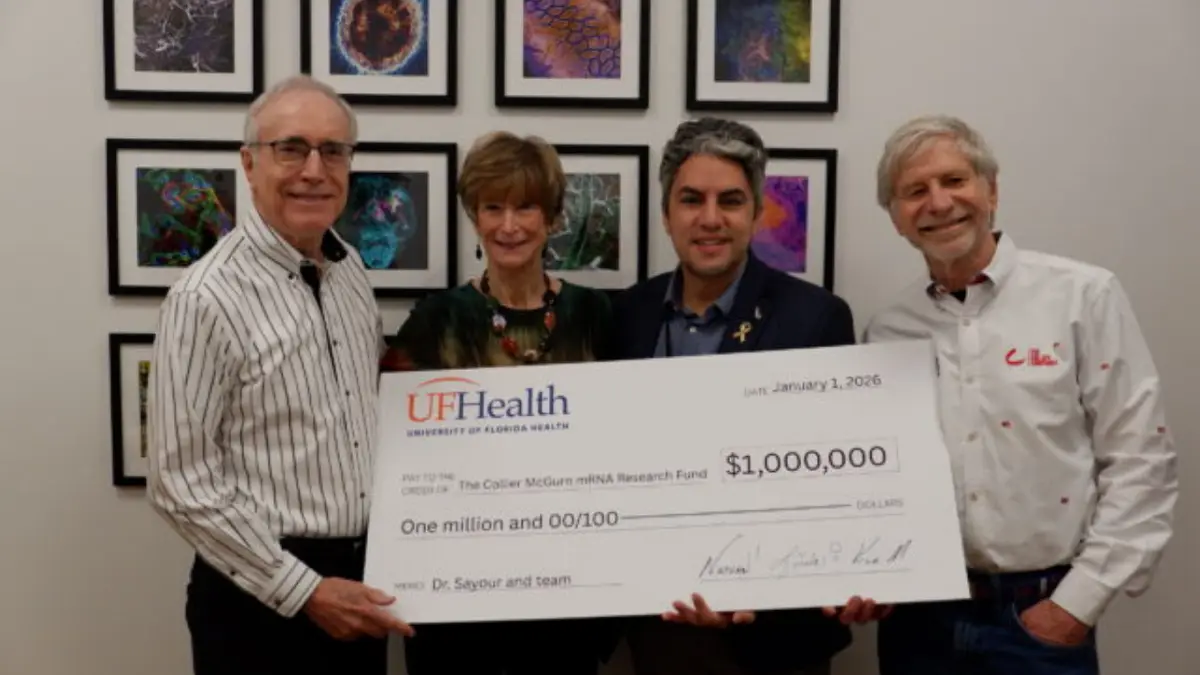
A new $1 million funding award has been announced to support research into innovative treatments for brain cancer, aiming to accelerate the development of more effective therapies for patients. The funding, revealed in April, will advance scientific efforts focused on improving outcomes in one of the most challenging areas of oncology.
The initiative is designed to support cutting-edge research targeting brain tumors, which remain difficult to treat due to their complexity and resistance to existing therapies. The funding will enable researchers to explore novel approaches that could lead to more precise and effective treatment options.
Funding to Accelerate Brain Cancer Research
The newly secured funding will be directed toward advancing research projects that focus on developing innovative therapeutic strategies for brain cancer. These efforts include exploring new drug candidates, understanding tumor biology, and identifying mechanisms that drive cancer progression.
Researchers involved in the program aim to address critical gaps in current treatment options, particularly for aggressive and treatment-resistant forms of brain cancer. By supporting early-stage and translational research, the funding is expected to help move promising discoveries closer to clinical application.
The investment highlights the growing emphasis on funding research that can lead to tangible improvements in patient care and treatment outcomes.
Focus on Novel Therapeutic Approaches
A central objective of the research is to develop novel treatment approaches that go beyond conventional therapies such as surgery, radiation, and chemotherapy. Scientists are investigating innovative methods that may offer more targeted and less invasive options for patients.
These approaches include studying the molecular and genetic characteristics of brain tumors to identify new therapeutic targets. By understanding how tumors grow and evade treatment, researchers hope to design interventions that can more effectively disrupt these processes.
The focus on precision and targeted therapy reflects a broader shift in oncology toward treatments that are tailored to the specific characteristics of individual tumors.
Challenges in Treating Brain Cancer
Brain cancer presents unique challenges due to the complexity of the brain and the presence of the blood-brain barrier, which limits the ability of many drugs to reach tumor sites. These factors contribute to the difficulty of achieving effective treatment outcomes.
Additionally, brain tumors often exhibit significant heterogeneity, meaning that different parts of the tumor may respond differently to treatment. This variability makes it challenging to develop universally effective therapies.
The research supported by the new funding aims to address these challenges by developing strategies that can overcome biological barriers and target tumors more precisely.
Potential Impact on Patient Outcomes
By advancing research into novel treatment approaches, the funding has the potential to improve outcomes for patients with brain cancer. More effective therapies could lead to better survival rates, reduced side effects, and improved quality of life.
Researchers emphasized that early-stage research is critical for identifying new treatment pathways and generating the evidence needed to support clinical trials. The funding will help facilitate this process by providing the resources required for in-depth investigation.
While the research is still in its early stages, the investment represents an important step toward addressing the unmet needs of patients with brain cancer.
Broader Implications for Oncology Research
The funding initiative also reflects broader trends in oncology research, where there is increasing focus on innovation and precision medicine. Investments in research are essential for driving progress in cancer treatment and improving patient outcomes.
By supporting the development of new therapies, such funding initiatives contribute to the overall advancement of medical science and the ongoing effort to combat cancer.
As research continues, the findings generated through this program may provide valuable insights that can be applied to other types of cancer, further expanding the impact of the investment.
Conclusion
The $1 million funding award marks a significant step forward in the effort to develop novel treatments for brain cancer. By supporting innovative research and targeting key challenges in treatment, the initiative aims to improve therapeutic options and outcomes for patients facing this complex disease.