New 5‑Minute Screening Tool Could Improve Early Detection of Endometriosis
Researchers have developed a new 5‑minute screening tool that could help doctors identify women at risk of endometriosis earlier, improving diagnosis and treatment outcomes.
 Akanksha jain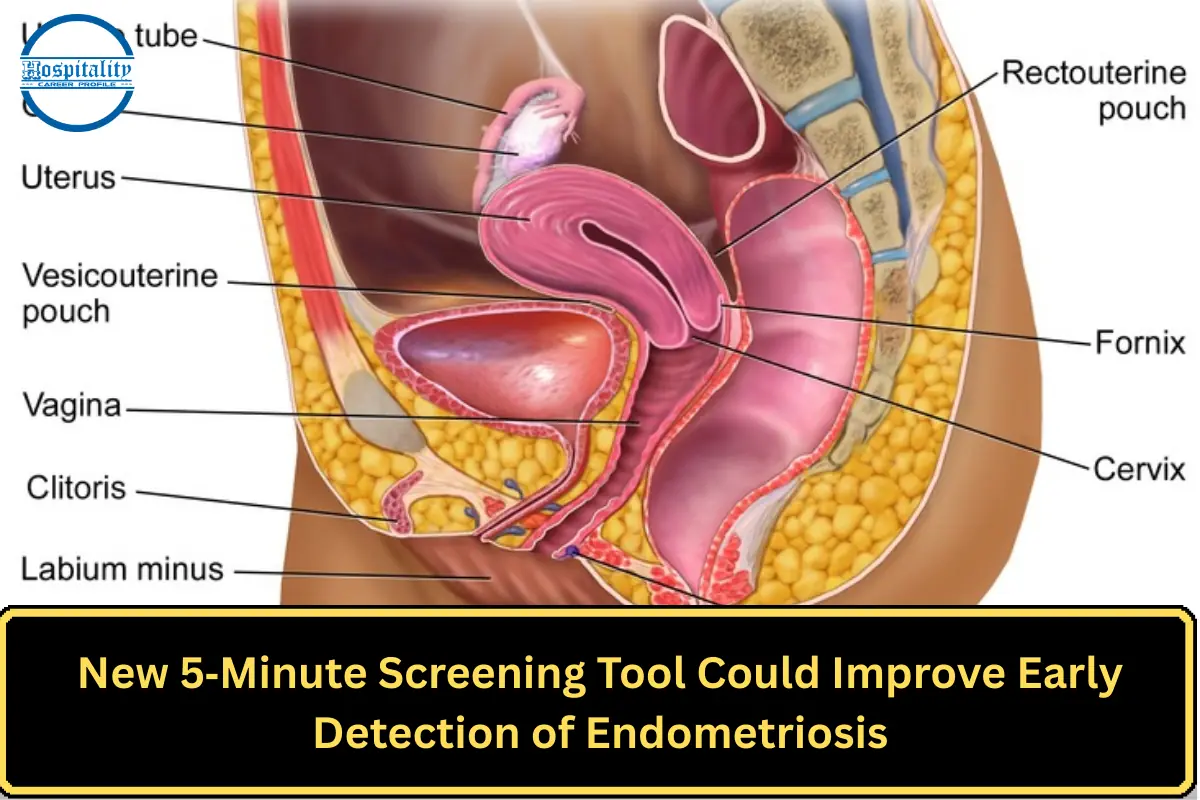
Researchers have developed a new rapid screening tool that could help improve the early detection of a chronic condition that affects millions of women worldwide.
The tool, which can be completed, is a content reference that is designed to help healthcare providers quickly identify individuals who may be at higher risk of the condition and require further clinical evaluation.
Addressing Delays in Diagnosis:
Endometriosis occurs when tissue similar to the lining of the uterus grows outside the uterus, often causing severe pain, heavy menstrual bleeding, and fertility problems.
Despite being relatively common, the condition frequently goes undiagnosed for years because symptoms can vary widely and may be mistaken for other health issues.
The newly developed screening tool aims to reduce these diagnostic delays by helping clinicians recognize possible cases earlier.
Simple and Quick Assessment
The questionnaire-based screening method evaluates symptoms and risk factors commonly associated with endometriosis. Because it takes only a few minutes to complete, it could be easily incorporated into routine healthcare visits.
Researchers say such tools could support primary care providers in identifying patients who should be referred to specialists for further testing and diagnosis.
Improving Women’s Health Care
Early identification of endometriosis can significantly improve treatment outcomes. Timely diagnosis allows patients to access appropriate therapies and manage symptoms more effectively.
Healthcare experts say that improved screening strategies may help address the long‑standing challenges associated with diagnosing the condition.
Potential Impact on Clinical Practice:
If adopted widely, the screening tool could help clinicians detect possible cases earlier, reduce diagnostic delays, and improve overall care for women living with endometriosis.
Researchers emphasize that while the tool is not intended to replace medical diagnosis, it can serve as an important first step in recognizing symptoms and guiding further evaluation.