Amazon Expands Prime Shipping to Third-Party Websites in Strategic Logistics Push
Amazon is extending its Prime shipping benefits to select third-party websites, expanding its logistics network and enhancing delivery convenience for online shoppers.
 RUKAIYA KADIVAL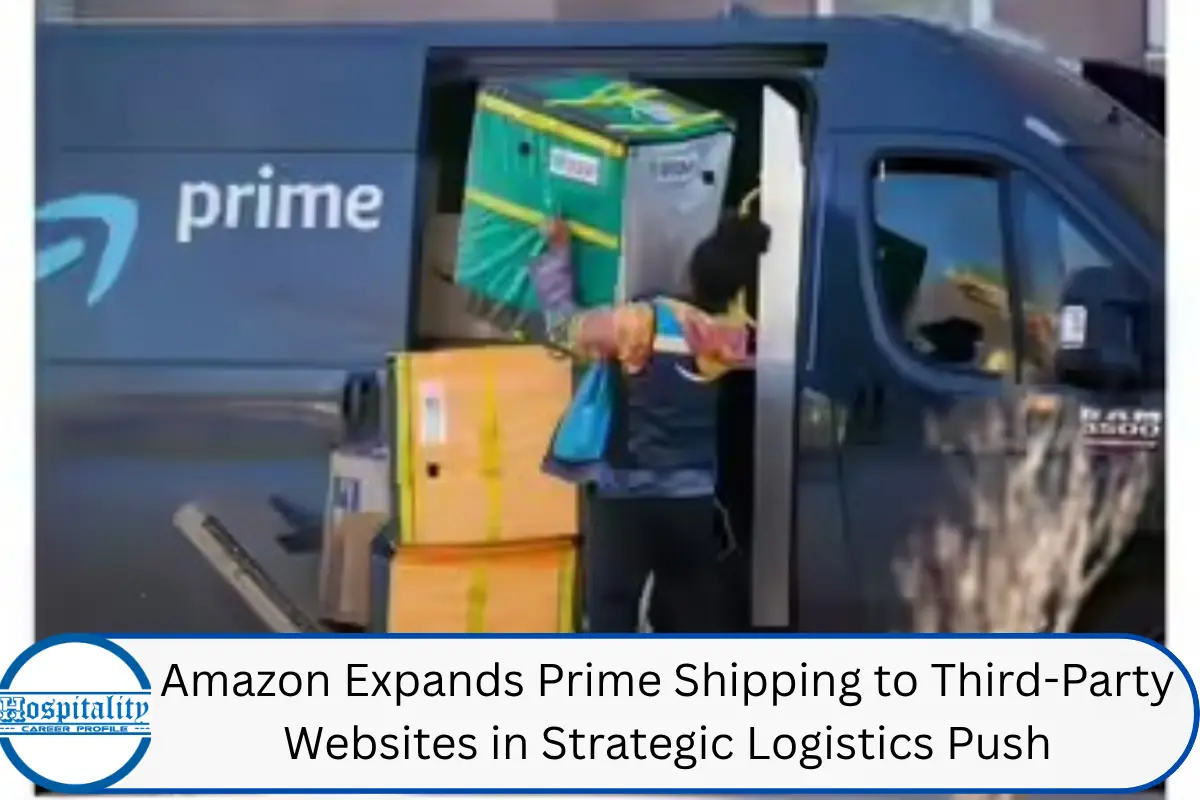
Amazon Expands Prime Shipping to Third-Party Websites in Strategic Logistics Push
Amazon has announced plans to extend its Prime shipping benefits to select third-party websites in 2026, marking a significant shift in its business model as the company seeks to expand its logistics network beyond its own platform and strengthen its position in the global e-commerce ecosystem.
The move will allow customers to access fast delivery options typically associated with Amazon Prime while shopping on external retail websites, broadening the reach of its fulfillment infrastructure and enhancing convenience for online shoppers.
New Phase in Amazon’s Logistics Strategy
Amazon’s decision to offer Prime shipping on third-party platforms represents a strategic expansion of its logistics capabilities. Traditionally, Prime benefits such as fast and free delivery have been limited to purchases made directly through Amazon’s marketplace. By extending these services externally, the company is positioning itself as a logistics provider for the wider retail industry.
This initiative leverages Amazon’s extensive fulfillment network, which includes warehouses, transportation systems, and last-mile delivery operations. The company has invested heavily in these capabilities over the years, enabling it to handle large volumes of orders efficiently and reliably.
With this expansion, Amazon aims to monetize its logistics infrastructure further while creating new partnerships with online retailers.
Benefits for Consumers
For customers, the extension of Prime shipping benefits offers greater flexibility in online shopping. Users will be able to purchase products from a wider range of websites while still enjoying fast and dependable delivery services.
This could significantly improve the shopping experience by reducing delivery times and increasing trust in third-party retailers that adopt Amazon’s logistics solutions. It also provides an incentive for consumers to maintain or subscribe to Prime memberships, given the broader applicability of benefits.
However, the availability of these services is expected to depend on participating retailers and geographic coverage, which may vary during the rollout phase.
Opportunities for Third-Party Retailers
Retailers partnering with Amazon stand to gain access to one of the most advanced logistics networks in the world. By integrating Prime shipping into their platforms, they can offer competitive delivery options without the need to build or manage their own fulfillment systems.
This is particularly advantageous for small and mid-sized businesses, which often face challenges in meeting customer expectations for fast delivery. Access to Amazon’s infrastructure can help these companies improve service quality, attract more customers, and increase sales.
At the same time, reliance on Amazon’s logistics services may raise concerns about long-term dependency and control over customer relationships.
Impact on E-commerce Competition
The move is likely to have significant implications for the broader e-commerce industry. By extending its logistics services beyond its own platform, Amazon is positioning itself not only as a retailer but also as a key infrastructure provider for online commerce.
This could intensify competition among logistics providers and e-commerce platforms, as rivals may need to enhance their delivery capabilities or form strategic partnerships to remain competitive. The expansion also blurs the lines between marketplaces and service providers, potentially reshaping industry dynamics.
Analysts suggest that Amazon’s growing role in logistics could further strengthen its influence over the online retail ecosystem.
Strategic Shift Toward Services
The initiative reflects a broader shift in Amazon’s strategy toward offering services in addition to retail. By opening its logistics network to external partners, the company is diversifying its revenue streams and reducing reliance on direct product sales.
This approach aligns with trends in the technology and e-commerce sectors, where companies are increasingly leveraging their infrastructure and capabilities to provide services to other businesses. Amazon’s cloud computing division has already demonstrated the success of this model, and logistics could represent a similar opportunity.
The expansion also highlights the importance of delivery and fulfillment as key differentiators in the e-commerce market.
Challenges and Regulatory Considerations
Despite its potential benefits, the initiative presents several challenges. Integrating Amazon’s logistics systems with third-party websites requires complex coordination to ensure seamless operations and consistent service quality.
There are also regulatory considerations, as the expansion of Amazon’s logistics services could attract scrutiny from authorities concerned about market dominance and competition. The company’s increasing control over both retail and logistics may raise questions about fairness and access for smaller players.
Ensuring data privacy and maintaining customer trust will also be critical as Amazon expands its services across multiple platforms.
Future Outlook
The extension of Prime shipping to third-party websites is expected to play a significant role in shaping the future of e-commerce. As delivery speed and reliability become increasingly important to consumers, companies that can offer efficient logistics solutions are likely to gain a competitive advantage.
Amazon’s initiative could pave the way for a more interconnected retail ecosystem, where logistics networks are shared across platforms to enhance efficiency and customer experience. The success of this strategy will depend on adoption by retailers, user response, and the company’s ability to scale its services effectively.
Amazon’s expansion into third-party logistics services underscores its evolving role as a central player in the digital economy, with the potential to influence how online retail operates in the years ahead.
Conclusion
Amazon’s move to extend Prime shipping benefits beyond its platform marks a strategic shift in e-commerce, positioning the company as a major logistics provider while enhancing delivery convenience for consumers and retailers alike.