Americans Relocating to Eastern Europe in Rising Numbers
More Americans are relocating to Central and Eastern Europe due to affordability, safety, and better quality of life, with rising interest in non-traditional EU destinations.
 mansi labhde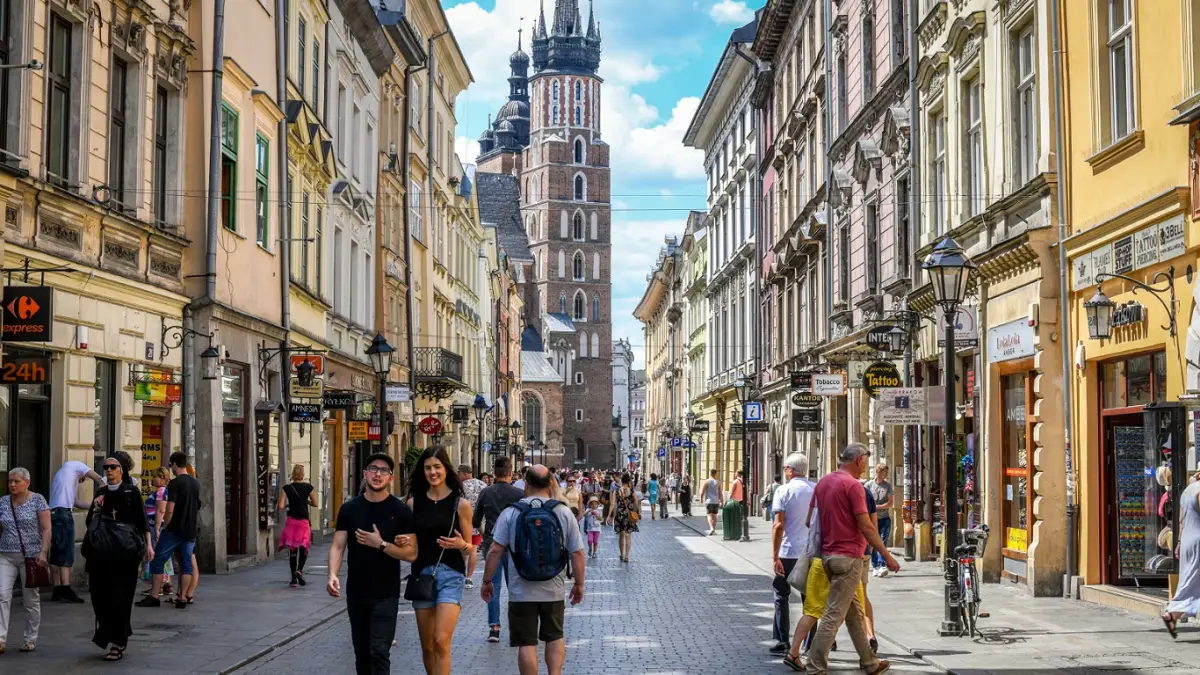
An increasing number of Americans are relocating to Central and Eastern Europe, driven by factors such as affordability, safety, and improved quality of life compared to the United States.
Growing Trend of Emigration
According to a 2025 Gallup poll, nearly one in five Americans expressed a desire to move abroad if given the opportunity. This trend is particularly noticeable among younger demographics, with a significant rise in interest among young women compared to previous years.
While traditional destinations like France, Italy, Spain, and Portugal continue to attract migrants, there is growing interest in less conventional locations across Eastern and Central Europe, including Romania, Poland, Bulgaria, Slovakia, Albania, and Estonia.
Case Study: Moving to Romania
Antoni Scarano, a New York-based musician, relocated to Romania in 2024 with his wife after reconnecting with his roots. The couple settled in a village in the Transylvania region, citing a slower pace of life, strong community bonds, and lower living costs as key motivations.
The transition required administrative steps such as securing residence permits and reclaiming citizenship. Despite initial adjustments, the couple reports a higher level of satisfaction with their lifestyle, including more time for creative pursuits.
Policy Shifts and Immigration Incentives
Experts note a rise in inquiries from Americans regarding relocation to non-traditional European destinations. Immigration law professionals report a significant increase in applications, particularly for countries offering flexible citizenship rules based on ancestry.
Countries such as Hungary, Poland, Romania, and Bulgaria allow individuals to claim citizenship through extended family lineage, often without generational limits.
Economic and Social Drivers
Lower cost of living remains a major attraction. In some Eastern European countries, housing and groceries can cost significantly less than in the United States. Other factors include access to healthcare, education, and safer public environments.
Some migrants also cite political and social concerns in the United States as reasons for seeking relocation, alongside dissatisfaction with demanding work cultures.
Rise of Poland and Other Destinations
Poland has emerged as a key destination, offering strong economic growth and a growing startup ecosystem. Government data indicates a substantial increase in foreign citizenship acquisitions in recent years.
Other countries gaining popularity include Albania, which offers visa-free stays for up to one year for US citizens, and Estonia, known for its digital infrastructure and startup-friendly environment.
Challenges and Adjustments
Despite the benefits, relocation comes with challenges, including language barriers, bureaucratic processes, and cultural adaptation. However, many migrants report that these difficulties are outweighed by the advantages of their new environments.
Shifting Migration Patterns
The trend reflects a broader shift in global migration patterns, as Americans increasingly explore alternatives beyond traditional Western European destinations. For many, lesser-known regions offer a balance of affordability, opportunity, and quality of life.