Apple Set to Expand Product Lineup in 2026 with New iPhones, Macs, iPads and Wearables
Apple is expected to launch a range of new products in 2026, including updated iPhones, Macs, iPads, and Apple Watches, as it continues to expand its ecosystem.
 RUKAIYA KADIVAL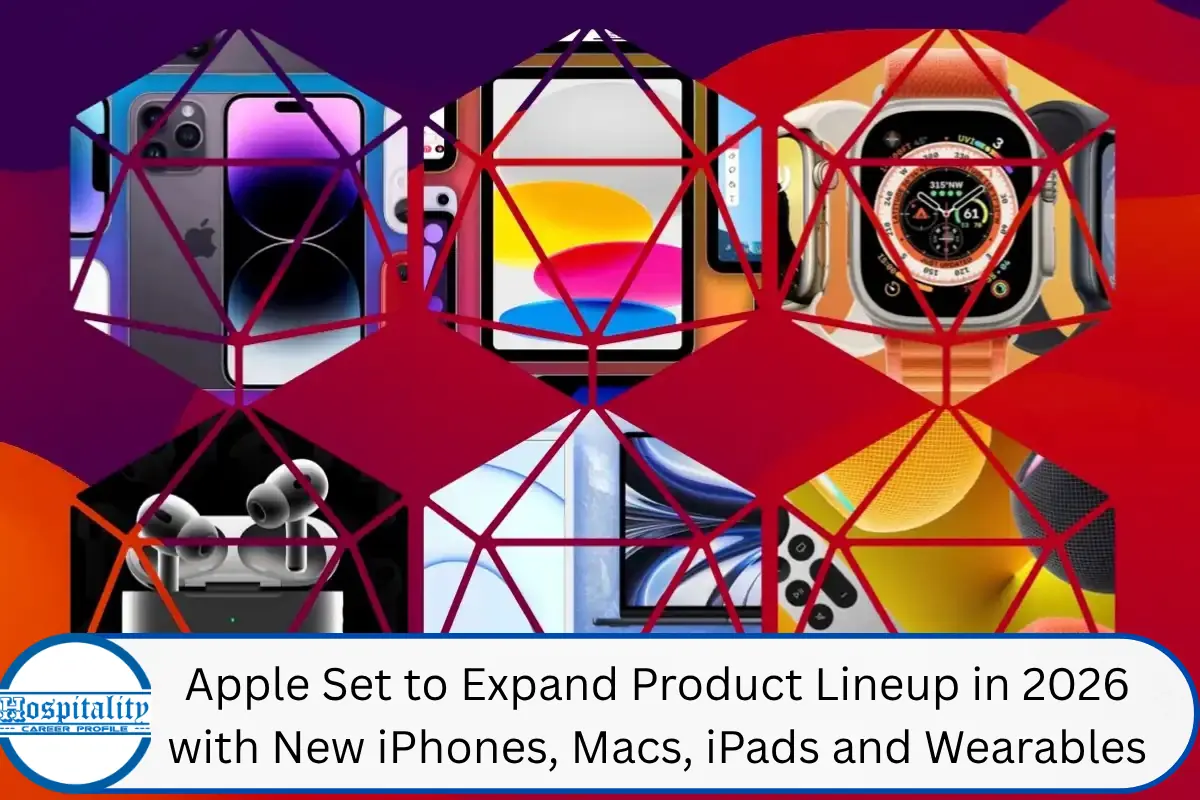
Apple Set to Expand Product Lineup in 2026 with New iPhones, Macs, iPads and Wearables
Apple is preparing to roll out an extensive lineup of new products in 2026, including updated versions of its iPhone, Mac, iPad, and Apple Watch, as the company seeks to maintain momentum in the global technology market. The anticipated launches, expected throughout the year across multiple events, highlight Apple’s strategy to strengthen its ecosystem, drive innovation, and sustain consumer demand worldwide.
The upcoming releases come at a time when the technology industry is undergoing rapid transformation, with artificial intelligence, advanced chip design, and device integration shaping the next phase of growth. Apple’s product roadmap reflects its focus on combining hardware advancements with software capabilities to enhance user experience and maintain its competitive edge.
Next-Generation iPhones Expected
Apple is expected to introduce its next-generation iPhone models in 2026, building on its flagship smartphone lineup with improved performance, enhanced camera systems, and new design elements. Industry reports suggest that the company may continue refining display technology, battery efficiency, and processing power.
Advancements in artificial intelligence and machine learning are likely to play a larger role in future iPhones, enabling smarter features, improved photography, and more personalized user experiences. Apple is also expected to focus on integrating its devices more seamlessly within its ecosystem.
The iPhone remains Apple’s most significant revenue driver, making each annual update a critical component of its business strategy.
Mac Lineup to See Performance Upgrades
Apple’s Mac lineup is also expected to receive notable updates in 2026, particularly with the continued development of its in-house silicon chips. The company has been transitioning away from third-party processors, allowing it to optimize performance and efficiency across its devices.
New Mac models are likely to feature more powerful processors, improved graphics capabilities, and enhanced battery life. These upgrades are aimed at both professional users and general consumers, supporting tasks ranging from creative work to everyday computing.
The evolution of Apple’s chip technology has been a key factor in differentiating its products in the competitive personal computing market.
iPad Updates to Enhance Productivity
The iPad lineup is expected to see updates focused on productivity, performance, and versatility. Apple has been positioning the iPad as a device that bridges the gap between smartphones and traditional computers, appealing to a wide range of users including students, professionals, and creatives.
Future iPad models may include improved displays, faster processors, and enhanced compatibility with accessories such as keyboards and styluses. Software improvements are also expected to expand the device’s capabilities, making it more suitable for multitasking and professional applications.
The continued evolution of the iPad reflects Apple’s efforts to expand its presence in the tablet and hybrid device market.
Wearables Segment to Grow Further
Apple’s wearable devices, including the Apple Watch, are likely to see new features and updates in 2026. The company has been steadily expanding the capabilities of its wearables, particularly in areas such as health monitoring, fitness tracking, and connectivity.
New Apple Watch models may include advanced sensors, improved battery performance, and additional health-focused features. These enhancements are expected to strengthen Apple’s position in the growing wearable technology market.
The wearables segment has become an increasingly important part of Apple’s business, contributing to both revenue growth and ecosystem expansion.
Focus on Ecosystem Integration
A key aspect of Apple’s strategy is the integration of its devices and services into a unified ecosystem. The company aims to create a seamless user experience, where devices work together effortlessly across different use cases.
In 2026, Apple is expected to further enhance this integration by introducing features that allow users to transition between devices more smoothly. This approach not only improves user convenience but also encourages customer loyalty and long-term engagement with the brand.
The ecosystem strategy has been a cornerstone of Apple’s success, differentiating it from competitors in the technology industry.
Role of Artificial Intelligence and Innovation
Artificial intelligence is expected to play a growing role in Apple’s upcoming products, influencing everything from device performance to user interaction. The company has been gradually incorporating AI-driven features into its devices, and this trend is likely to accelerate in future releases.
AI capabilities could enhance voice assistants, improve image processing, and enable more intuitive user interfaces. These advancements align with broader industry trends, where AI is becoming a central component of technological innovation.
Apple’s focus on innovation extends beyond hardware, with ongoing investments in software and services that complement its product ecosystem.
Market Competition and Industry Trends
The global technology market remains highly competitive, with major companies continuously introducing new products and features to attract consumers. Apple faces competition from both established players and emerging brands, particularly in areas such as smartphones, personal computing, and wearables.
To maintain its position, Apple must continue to innovate and differentiate its offerings. The company’s emphasis on design, performance, and ecosystem integration has been a key factor in its success, and this approach is expected to continue in 2026.
Industry trends such as sustainability, energy efficiency, and advanced materials are also likely to influence Apple’s product development strategies.
Consumer Expectations and Demand
Consumer expectations for technology products continue to evolve, with increasing demand for performance, reliability, and seamless connectivity. Apple’s upcoming product launches will need to meet these expectations while also introducing new features that enhance user experience.
The company’s ability to anticipate and respond to consumer needs has been a critical driver of its growth. By delivering products that combine innovation with practicality, Apple aims to maintain strong demand across its product categories.
Market analysts suggest that the success of Apple’s 2026 lineup will depend on how effectively it balances innovation with user-friendly design and pricing strategies.
Outlook for 2026
Looking ahead, Apple’s 2026 product roadmap indicates a continued focus on innovation, ecosystem expansion, and technological advancement. The anticipated launches are expected to generate significant interest among consumers and investors alike, reinforcing the company’s position as a leader in the global technology market.
While challenges such as competition and economic conditions remain, Apple’s strong brand and loyal customer base provide a solid foundation for future growth. The company’s ability to deliver high-quality products and adapt to changing market dynamics will be key to its success.
Apple is set to enter 2026 with a robust lineup of new devices, aiming to drive growth and maintain its leadership in the evolving technology landscape.