Ex‑Rapper Balendra Shah’s Party Leads Early Results in Nepal’s Landmark Parliamentary Election
Early results from Nepal’s 2026 parliamentary election show rapper‑turned‑politician Balendra Shah’s Rastriya Swatantra Party leading, signaling a major political shift after last year’s youth-led protests.
 SANJANA DUTTA
Rapper-Turned-Politician Leads Early Results in Nepal’s Historic Election
Early vote counts from Nepal’s 2026 parliamentary elections show the Rastriya Swatantra Party (RSP), led by rapper‑turned‑politician Balendra Shah, taking a strong lead in the country’s first national vote since the youth-led protests that shook the nation in 2025.
Preliminary results released by Nepal’s Election Commission indicate that the relatively new political party has already secured dozens of seats and is leading in many more constituencies across the country.
The election has drawn global attention as a sign of potential generational change in Nepal’s politics, with many voters turning away from long-established political parties.
From Rap Music to National Politics
Balendra Shah, widely known as “Balen,” first gained national prominence as a rapper before entering politics. He later became the mayor of Kathmandu in 2022, building a reputation as an anti‑establishment figure who challenged traditional political elites.
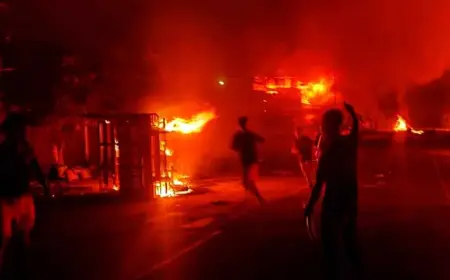
The 35‑year‑old politician emerged as one of the key figures during the mass protests in 2025 that forced the resignation of the previous government. Those demonstrations were fueled by public anger over corruption, economic challenges, and restrictions on social media.
His political message, which emphasizes transparency, improved public services, and opportunities for young people, has resonated strongly with Nepal’s younger voters.
Strong Performance Against Traditional Parties
The Rastriya Swatantra Party is competing against long‑dominant political groups including the Nepali Congress and the Communist Party of Nepal (Unified Marxist–Leninist).
Early results show the party winning multiple seats in the directly elected constituencies while maintaining a lead in many others. Nepal’s lower house of parliament contains 275 seats, with 165 elected directly and the remaining 110 allocated through a proportional representation system.
Final results are expected over the next few days as ballot boxes continue to arrive from remote mountainous regions of the country.
Youth Movement Driving Political Change
Political analysts say the election reflects deep dissatisfaction with Nepal’s traditional political establishment. Years of political instability and corruption scandals had weakened public confidence in the country’s leadership.
The youth-led protests in 2025 became a turning point, with thousands of demonstrators demanding accountability and structural reforms.
Shah’s party capitalized on that momentum by presenting itself as a fresh alternative to the country’s traditional political forces.
Focus on Social Services and Reform
During the campaign, the Rastriya Swatantra Party focused heavily on improving healthcare, education, and economic opportunities for ordinary citizens.
The party also promoted governance reforms aimed at reducing corruption and increasing government transparency.
These policy themes have appealed particularly to younger voters and urban populations who have become increasingly active in political movements.
What Happens Next
Although the early results suggest a strong performance for the Rastriya Swatantra Party, the final political outcome will depend on the complete vote count and possible coalition negotiations.
Nepal’s parliamentary system often requires alliances between parties to form a government.
However, if the current trend continues, Balendra Shah could emerge as one of the most influential figures in Nepalese politics and potentially a candidate for prime minister.
The election marks a significant moment for Nepal, reflecting both the growing influence of younger voters and the country’s ongoing search for political reform and stability.