Marginalised Communities in Bangladesh Remain Overlooked as Political Reforms Bypass Structural Discrimination
Despite ongoing political reform efforts in Bangladesh, marginalised communities continue to face structural discrimination, raising concerns about inclusivity and equitable representation.
 SANJANA DUTTA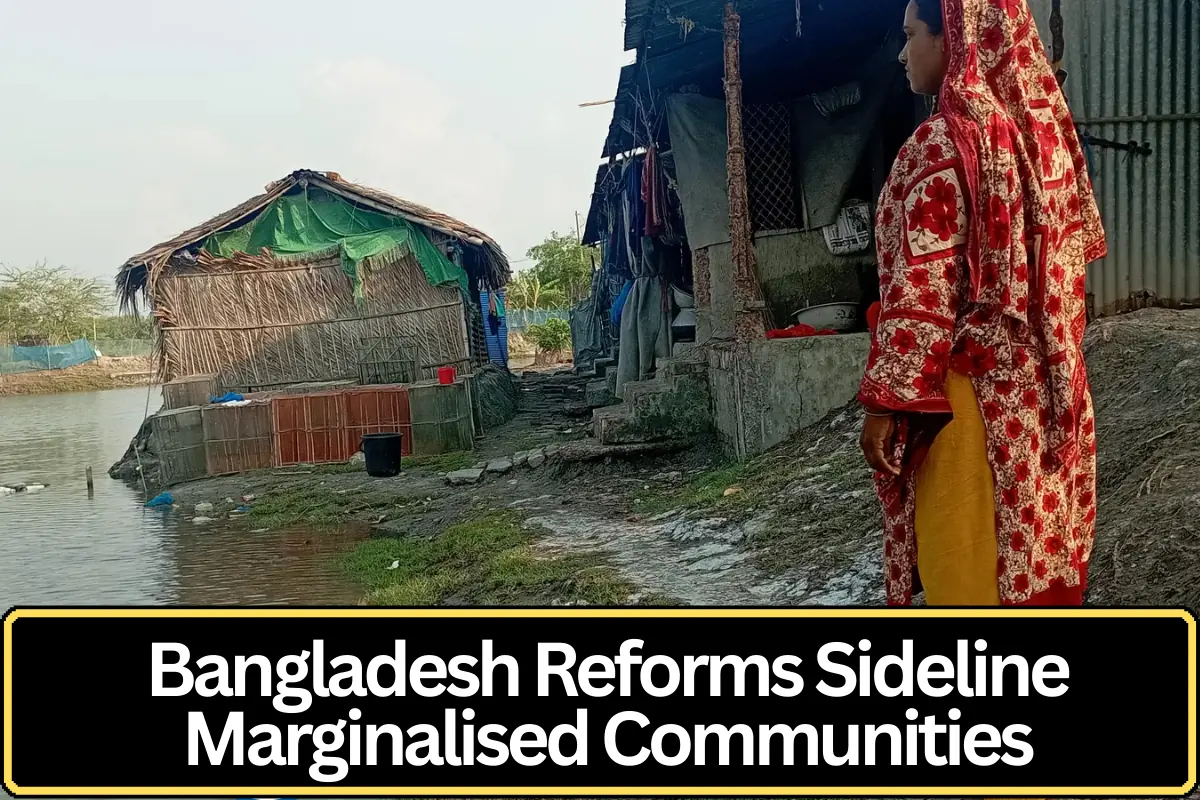
Political Reforms in Bangladesh Face Criticism Over Exclusion of Marginalised Groups
Political reform initiatives underway in Bangladesh are drawing scrutiny amid concerns that marginalised communities remain excluded from meaningful participation and representation. Rights advocates argue that while structural reforms are being introduced, long-standing patterns of discrimination continue to limit equitable access to justice, employment, and political voice.
Observers note that reform agendas often prioritise institutional restructuring and governance frameworks without sufficiently addressing systemic inequalities faced by minority and vulnerable groups.
Structural Discrimination Remains a Barrier
Marginalised communities in Bangladesh, including ethnic minorities, religious minorities, and economically disadvantaged populations, continue to face barriers rooted in historical and social discrimination. Advocacy groups highlight issues such as limited access to land rights, political representation, and public services.
Despite policy commitments aimed at strengthening democratic institutions, critics argue that reform processes have not adequately incorporated safeguards to address entrenched disparities.
Calls for Inclusive Governance
Human rights organisations are urging policymakers to adopt a more inclusive approach that integrates protections for vulnerable populations into reform frameworks. They stress that genuine political transformation requires structural change that addresses both representation and accountability.
Stakeholders emphasize the importance of consulting affected communities in the drafting and implementation of reform measures to ensure that policies reflect ground realities.
Balancing Reform and Rights Protection
Bangladesh has undertaken various initiatives aimed at strengthening governance and democratic institutions. However, analysts suggest that reform effectiveness depends on whether these measures translate into tangible improvements in equality and protection from discrimination.
Ensuring transparency, judicial access, and institutional oversight remains central to addressing structural inequities.
Conclusion
As Bangladesh moves forward with political reform efforts, the continued marginalisation of vulnerable communities presents a critical challenge. Observers argue that without addressing systemic discrimination, reforms risk reinforcing existing inequalities rather than dismantling them.
The evolving policy landscape will likely determine whether inclusivity becomes a central pillar of Bangladesh’s political transformation.