Bayer Secures MHRA Approval for Finerenone in Heart Failure Patients
Bayer receives MHRA approval for finerenone (Kerendia) to treat adults with heart failure and mildly reduced or preserved ejection fraction, expanding treatment options.
 Akanksha jain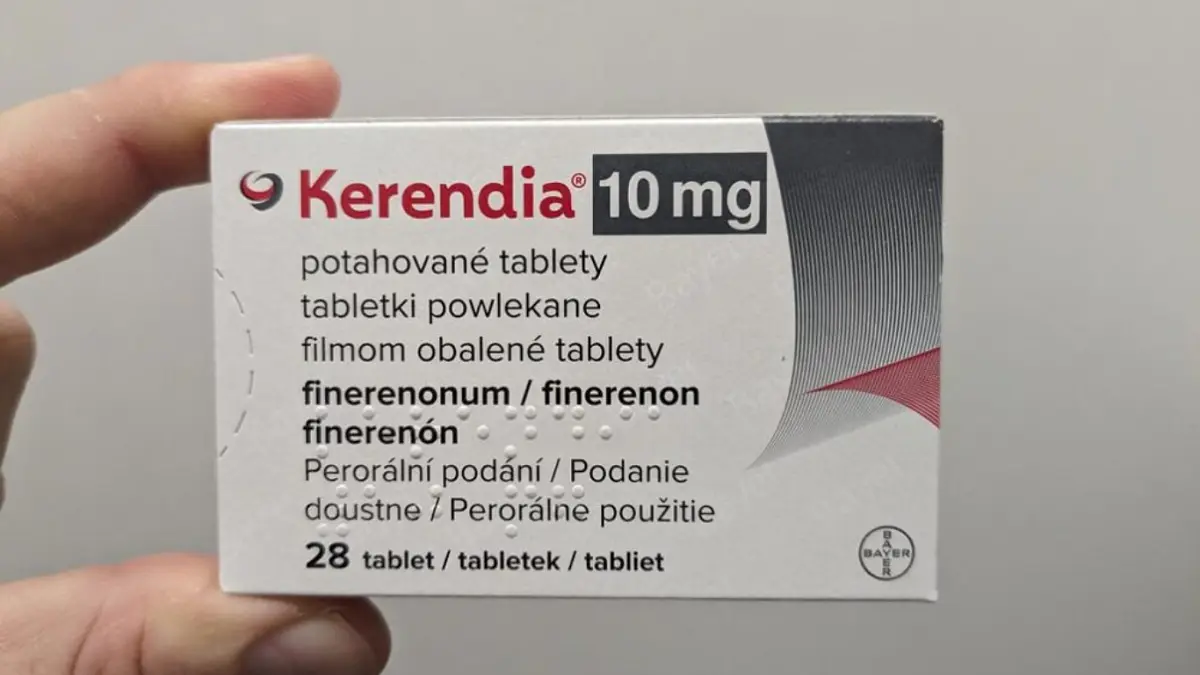
Bayer has received approval from the UK’s Medicines and Healthcare Products Regulatory Agency (MHRA) for finerenone (Kerendia) to treat adults with heart failure with mildly reduced or preserved left ventricular ejection fraction (LVEF).
The approval, announced in April 2026, expands treatment options for a large patient population that has historically had limited targeted therapies.
MHRA Approval Expands Treatment Scope
The decision allows finerenone to be used in patients with LVEF ≥ 40%, broadening its clinical application beyond its earlier use in chronic kidney disease associated with type 2 diabetes.
- Expanded indication in heart failure
- Addresses the underserved patient population
- Supports improved disease management
Heart failure with preserved or mildly reduced ejection fraction represents a significant proportion of global cases, making this approval clinically important.
Clinical Evidence Supporting Approval
The approval is based on clinical trials demonstrating the effectiveness of finerenone in improving cardiovascular outcomes.
- Reduction in cardiovascular risk
- Control of inflammation and fibrosis
- Improved heart function outcomes
Finerenone is a non-steroidal mineralocorticoid receptor antagonist that works by blocking pathways involved in cardiac damage.
Its mechanism offers a more targeted approach compared to traditional steroid-based therapies.
Addressing Unmet Needs in Heart Failure
Patients with preserved or mildly reduced ejection fraction often experience symptoms such as the following:
- Breathlessness
- Fatigue
- Reduced physical activity
Despite high prevalence, treatment options for this group have been limited, making this approval a significant advancement in cardiovascular care.
Impact on Healthcare Systems and Patients
The introduction of finerenone is expected to improve patient outcomes and reduce hospitalizations.
- Better symptom management
- Reduced disease progression
- Optimized healthcare resource use
Healthcare systems will need to integrate the therapy into existing treatment pathways while ensuring accessibility and affordability.
Advances in Cardiovascular Therapeutics
The approval reflects broader innovation in cardiovascular medicine, with increasing focus on targeted and precision-based therapies.
Key trends include:
- Pathway-specific drug development
- Expansion of existing therapies
- Evidence-based treatment strategies
Finerenone’s expanded use highlights the growing importance of personalized approaches in managing chronic heart conditions.
Ongoing research will further define its long-term role in heart failure treatment guidelines.
FAQs
What is finerenone (Kerendia)?
Finerenone is a non-steroidal mineralocorticoid receptor antagonist used to treat heart and kidney-related conditions.
What did MHRA approve?
The MHRA approved finerenone for treating heart failure with preserved or mildly reduced ejection fraction.
Why is this approval important?
It provides a new treatment option for patients who previously had limited therapies available.
How does finerenone work?
It blocks mineralocorticoid receptors, reducing inflammation and fibrosis in the heart.