New Cardio-Oncology Drug Shows Potential to Protect Heart During Cancer Treatment
Researchers report a new cardio-oncology drug that may protect the heart while enhancing the effectiveness of cancer treatments, offering dual benefits for patients.
 Akanksha jain
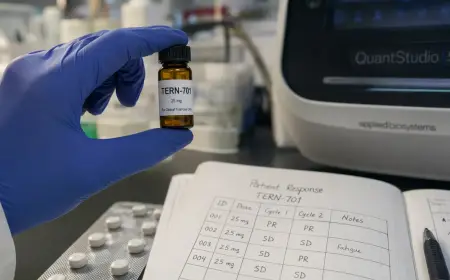
Researchers have developed a new cardio-oncology drug designed to protect the heart while enhancing the effectiveness of cancer treatment, according to findings reported in April 2026. The investigational therapy highlights a promising dual-benefit strategy to reduce cardiovascular damage caused by widely used cancer therapies while improving anti-tumour response.
This breakthrough addresses a major challenge in oncology, where treatments such as chemotherapy often lead to long-term heart complications, impacting patient survival and quality of life.
Cardiotoxicity in Cancer Treatment: A Growing Concern
Cardiotoxicity is one of the most significant side effects of modern cancer therapies. Many commonly used treatments can damage heart tissue, increasing the risk of conditions such as heart failure, arrhythmias, and long-term cardiovascular disease.
Patients undergoing cancer treatment often face a difficult trade-off between effective tumor control and potential heart damage. As survival rates improve, managing these long-term risks has become a critical focus in oncology care.
The newly developed drug aims to reduce this burden by protecting cardiac cells during treatment, helping preserve heart function, and minimizing complications.
Dual Mechanism: Heart Protection and Cancer Treatment Enhancement
What makes this drug unique is its dual-action mechanism. In addition to offering cardioprotection, it also enhances the effectiveness of cancer therapies.
The drug works by targeting biological pathways involved in both tumor progression and cardiac stress responses. Early research suggests it may increase cancer cell sensitivity to treatment, potentially improving outcomes without requiring higher chemotherapy doses.
This approach could significantly reduce overall toxicity while maintaining or even improving therapeutic efficacy, making treatment safer and more efficient.
Preclinical Study Results and Research Model
The findings are based on preclinical studies using experimental models that simulate the interaction between cancer therapies and cardiac tissue.
Researchers observed that the drug successfully protected heart cells from damage while simultaneously supporting anti-tumour activity. These results provide a strong foundation for future clinical trials.
However, further research is required to confirm safety, optimal dosage, and effectiveness in human patients before it can be widely adopted in clinical practice.
Rise of Cardio-Oncology in Cancer Care
This development reflects the rapid growth of cardio-oncology, a specialized field focused on managing cardiovascular health in cancer patients.
With increasing cancer survival rates, healthcare providers are placing greater emphasis on long-term side effects. Multidisciplinary care—where oncologists and cardiologists collaborate—is becoming essential for improving patient outcomes.
Innovations like this drug could play a key role in advancing integrated treatment strategies that prioritize both survival and quality of life.
Future Implications for Cancer Treatment
If validated in clinical trials, this cardio-oncology drug could transform how cancer treatments are developed and delivered.
By combining effectiveness with safety, the therapy may reduce treatment-related complications and improve long-term health outcomes for patients. It also aligns with the broader shift toward precision medicine, where therapies are designed to target multiple aspects of disease while minimizing harm to healthy tissues.
Researchers are continuing to advance this therapy to bring a safer, more balanced cancer treatment approach into clinical use.