Centre Extends Electric Two-Wheeler Subsidies Till July 31 to Boost EV Adoption
The government has extended subsidies for electric two-wheelers until July 31, aiming to support EV adoption and stabilize the industry amid policy transition.
 RUKAIYA KADIVAL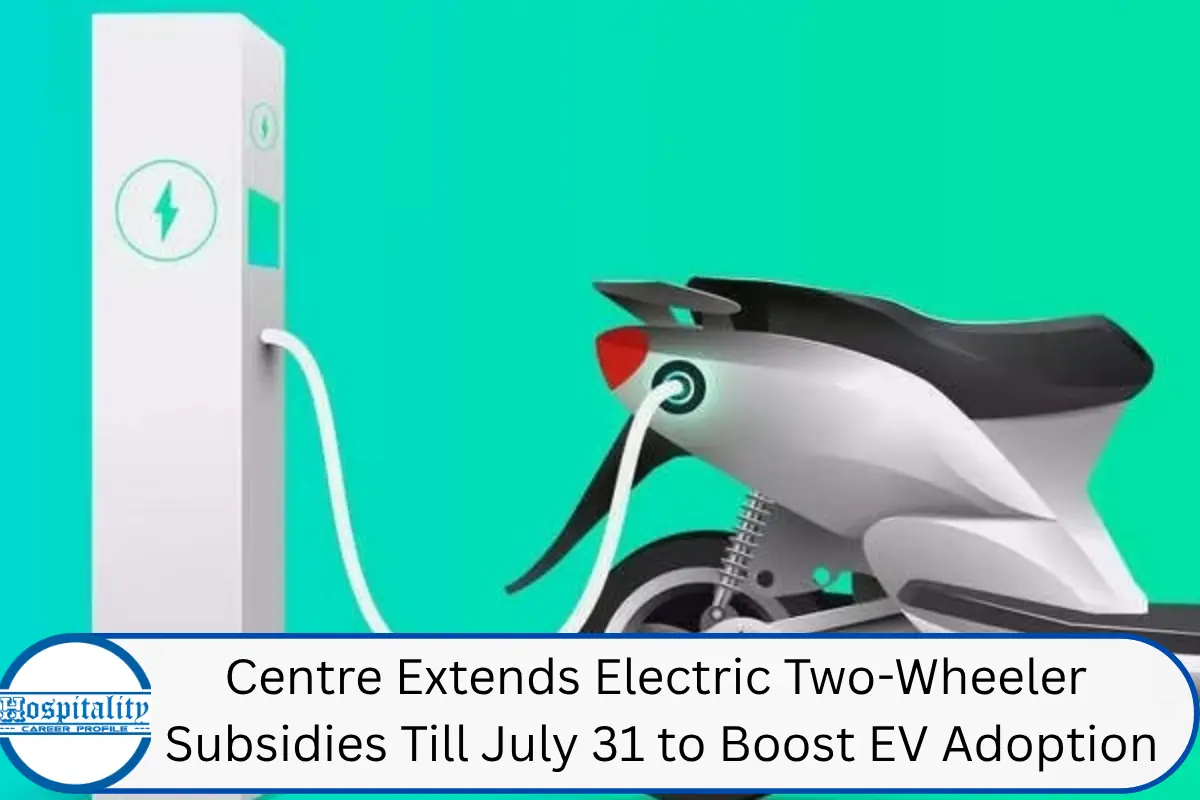
Centre Extends Electric Two-Wheeler Subsidies Till July 31 to Boost EV Adoption
The central government has extended subsidies for electric two-wheelers until July 31, providing continued financial support to consumers and manufacturers as India transitions toward a revised electric vehicle (EV) policy framework. The decision aims to sustain momentum in EV adoption, prevent disruption in sales, and offer clarity to industry stakeholders during the interim period.
The extension comes at a time when the existing incentive structure under government schemes was nearing expiry, raising concerns about a potential slowdown in demand. By prolonging the subsidy window, authorities intend to ensure stability in the electric mobility market while finalizing the next phase of EV policy support.
Support for EV Adoption Continues
The subsidy extension is expected to benefit both consumers and manufacturers by maintaining affordability for electric two-wheelers, which have seen rising demand in recent years. Lower upfront costs through incentives have been a key factor driving EV adoption, particularly in the two-wheeler segment, which accounts for a significant portion of India’s vehicle market.
Industry participants had expressed concerns that the sudden withdrawal of subsidies could lead to a sharp drop in sales, disrupt production planning, and impact investment sentiment. The extension provides temporary relief, allowing companies to maintain sales momentum and adjust to future policy changes.
The move also aligns with the government’s broader objective of promoting cleaner mobility and reducing dependence on fossil fuels.
Bridging Policy Transition
The extension is seen as a transitional measure ahead of a revised EV incentive framework expected to be introduced later this year. Policymakers are working on recalibrating subsidies to ensure long-term sustainability while encouraging domestic manufacturing and innovation.
Experts note that the EV sector is at a critical stage, requiring consistent policy support to scale operations and achieve cost competitiveness with traditional internal combustion engine vehicles. Any gap in incentives could have slowed adoption and affected the pace of electrification.
By extending subsidies, the government aims to provide continuity while it finalizes a more structured and targeted policy approach for the future.
Impact on Auto Industry
The electric two-wheeler segment has been one of the fastest-growing areas within the Indian automotive industry, driven by rising fuel costs, environmental awareness, and government incentives. Several startups and established manufacturers have entered the market, increasing competition and innovation.
The subsidy extension is expected to support sales volumes in the near term, helping companies sustain growth and manage inventory. It also provides an opportunity for manufacturers to strengthen supply chains, improve product offerings, and expand distribution networks.
Industry analysts believe that continued policy support is crucial for maintaining investor confidence and attracting further investment into the EV ecosystem.
Consumer Benefits and Market Demand
For consumers, the extension ensures that electric two-wheelers remain financially attractive compared to conventional vehicles. Subsidies reduce the purchase price, making EVs more accessible to a broader segment of buyers, including urban commuters and delivery service providers.
The growing availability of charging infrastructure and improved battery technology has further enhanced the appeal of electric two-wheelers. However, affordability remains a key factor influencing purchasing decisions, making government incentives an important driver of demand.
The extended subsidy window is expected to encourage buyers who were considering switching to electric vehicles but were uncertain about pricing and policy changes.
Focus on Sustainability Goals
The government’s push for electric mobility is part of a broader strategy to reduce carbon emissions, improve air quality, and achieve sustainability targets. The transport sector is a major contributor to pollution, and electrification is seen as a critical step toward addressing environmental challenges.
Electric two-wheelers, in particular, offer a practical and scalable solution for urban mobility, given their widespread use and relatively lower cost compared to other EV categories. Supporting this segment is therefore considered essential for achieving large-scale adoption.
The subsidy extension reinforces the government’s commitment to promoting clean energy solutions and accelerating the transition to sustainable transportation.
Challenges and Future Outlook
Despite the progress, the EV industry continues to face challenges, including high battery costs, limited charging infrastructure in certain regions, and concerns about long-term policy clarity. Addressing these issues will be critical for sustaining growth and ensuring widespread adoption.
The upcoming policy framework is expected to focus on encouraging local manufacturing, reducing import dependence, and promoting technological innovation. Industry stakeholders are closely watching for details on the new incentive structure and its potential impact on pricing and demand.
In the near term, the extension provides stability, but long-term growth will depend on consistent policy support and improvements in infrastructure and technology.
Conclusion
The extension of electric two-wheeler subsidies until July 31 is expected to sustain demand and support the EV ecosystem, as the government works toward implementing a revised policy framework for the sector.