Clinical Trial to Test Mild Hyperbaric Oxygen Therapy During Treatment for Aggressive Brain Cancer
Researchers have launched a clinical trial to evaluate whether mild hyperbaric oxygen therapy can improve treatment outcomes for patients undergoing therapy for aggressive brain cancer.
 Akanksha jain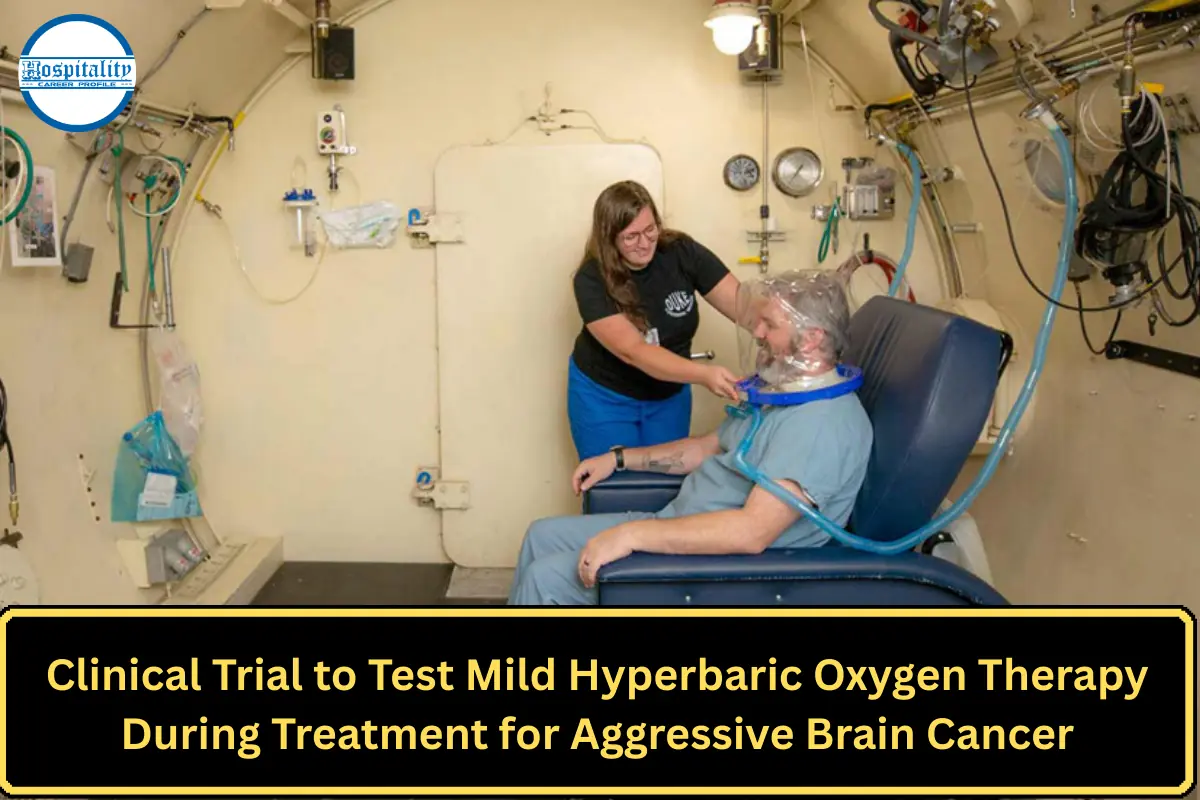
Researchers Launch Clinical Trial to Study Hyperbaric Oxygen Therapy for Brain Cancer
A new clinical trial has been launched to evaluate whether mild hyperbaric oxygen therapy can improve treatment outcomes for patients undergoing therapy for aggressive brain cancer. The study, announced in 2026 by medical researchers and clinical partners, aims to determine whether controlled exposure to oxygen under increased atmospheric pressure can enhance the effectiveness of conventional cancer treatments for patients diagnosed with highly aggressive brain tumors.
The trial will examine the potential role of mild hyperbaric oxygen therapy as a complementary treatment during active therapy for aggressive brain cancer, including forms such as glioblastoma. Researchers say the study will assess whether increasing oxygen levels in body tissues during treatment can improve the response to therapies such as radiation and chemotherapy, which are commonly used in the management of malignant brain tumors.
Brain cancers remain among the most difficult cancers to treat, and scientists are exploring new strategies that could improve survival outcomes and treatment effectiveness.
Understanding Hyperbaric Oxygen Therapy
Hyperbaric oxygen therapy involves breathing oxygen in a pressurized chamber where atmospheric pressure is higher than normal. This process increases the amount of oxygen carried in the bloodstream, allowing oxygen to reach tissues throughout the body more efficiently.
Traditional hyperbaric oxygen therapy has been used in various medical applications, including the treatment of decompression sickness, wound healing complications, and certain infections. Researchers have increasingly investigated whether the therapy may also support cancer treatment by improving oxygen delivery to tumors and surrounding tissues.
Tumors often contain areas with low oxygen levels, a condition known as hypoxia. Hypoxic conditions within tumors can make cancer cells more resistant to treatments such as radiation therapy. Scientists believe that increasing oxygen levels within tumor environments may improve the sensitivity of cancer cells to treatment.
The clinical trial aims to explore whether mild forms of hyperbaric oxygen therapy can help address this challenge in patients with aggressive brain tumors.
Focus on Aggressive Brain Tumors
The study specifically targets aggressive brain cancers that are known for their rapid growth and resistance to conventional treatments. Among these conditions, glioblastoma is one of the most challenging forms of brain cancer, with limited treatment options and relatively low long-term survival rates.
Standard treatment for aggressive brain tumors typically involves a combination of surgery, radiation therapy, and chemotherapy. While these therapies can slow tumor progression, many patients experience recurrence because cancer cells can adapt to treatment conditions.
Researchers involved in the trial hope that combining mild hyperbaric oxygen therapy with standard treatments could improve treatment effectiveness by creating a more favorable biological environment for therapies to work.
By enhancing oxygen levels in the tumor region, the therapy may help radiation treatments damage cancer cells more effectively.
How the Clinical Trial Will Be Conducted
The clinical study will enroll patients who are undergoing active treatment for aggressive brain cancer. Participants will receive mild hyperbaric oxygen therapy sessions alongside their existing treatment protocols.
During these sessions, patients will enter specialized chambers designed to deliver oxygen at slightly increased atmospheric pressure. The treatment is considered “mild” compared with traditional hyperbaric therapy, using lower pressure levels that may reduce potential side effects while still increasing oxygen delivery.
Researchers will monitor multiple factors throughout the trial, including tumor response to treatment, patient safety, treatment tolerability, and overall clinical outcomes. Data collected during the study will help scientists determine whether the therapy provides measurable benefits when combined with established cancer treatments.
The study will also examine how oxygen therapy affects tumor biology, including potential changes in oxygen levels within brain tissue and tumor cells.
Potential Benefits of Oxygen-Based Cancer Therapy
The concept of using oxygen to enhance cancer therapy has been explored for several decades. Radiation therapy relies on oxygen molecules to generate reactive oxygen species that damage the DNA of cancer cells. When oxygen levels are low, radiation treatments may become less effective.
Increasing oxygen levels in tumor tissue may therefore improve the ability of radiation therapy to destroy cancer cells. Some researchers also believe that improved oxygenation may influence how tumors respond to chemotherapy and other treatments.
Mild hyperbaric oxygen therapy may also help improve blood flow and tissue healing, which could benefit patients undergoing intensive cancer treatment. However, scientists emphasize that the therapy must be carefully studied to determine whether these theoretical benefits translate into measurable improvements in patient outcomes.
The new clinical trial represents an effort to gather rigorous scientific evidence regarding the potential role of oxygen therapy in oncology.
Ensuring Safety and Monitoring Outcomes
Safety monitoring will be a central component of the clinical trial. While hyperbaric oxygen therapy has been used in other medical settings, researchers must ensure that the treatment remains safe when used alongside cancer therapies.
Participants will undergo regular medical evaluations to monitor any potential side effects associated with oxygen therapy or combined treatment protocols. Investigators will also analyze whether the therapy affects neurological function, quality of life, or treatment tolerability.
Clinical trials involving new or experimental treatment approaches must meet strict regulatory and ethical standards to ensure patient safety and reliable results. Researchers say the study has been designed to follow established protocols for clinical research in oncology.
Independent monitoring committees may also review study data to ensure that patient safety remains the top priority.
Growing Interest in Innovative Brain Cancer Treatments
Brain cancer research has become an increasingly active field as scientists seek new approaches to improve survival outcomes for patients with aggressive tumors. Advances in molecular biology, immunotherapy, targeted drugs, and medical imaging have expanded the range of experimental treatments being studied.
Researchers are exploring therapies that target specific genetic mutations within tumors, as well as treatments designed to stimulate the body’s immune system to attack cancer cells. Other experimental approaches include tumor‑treating fields, advanced surgical technologies, and innovative drug delivery systems capable of reaching tumors in the brain.
The investigation of hyperbaric oxygen therapy reflects the broader effort to examine complementary strategies that may enhance existing treatments. Scientists say combining multiple approaches may ultimately offer the best opportunity to improve outcomes for patients with difficult‑to‑treat cancers.
Clinical trials play a critical role in determining which therapies are effective and safe for widespread use.
Future Outlook for the Study
The researchers leading the trial expect that the study will provide valuable insights into whether mild hyperbaric oxygen therapy can be safely integrated into brain cancer treatment strategies. If the therapy demonstrates measurable benefits, it could become a supportive treatment option used alongside established therapies.
However, experts caution that further research will be required before any new therapy becomes part of routine clinical care. Clinical trials typically progress through multiple phases to confirm safety, effectiveness, and long‑term outcomes.
The results of this study will help determine whether additional large‑scale trials should be conducted to further investigate oxygen‑based treatment strategies for aggressive brain tumors.
Researchers say the trial represents an important step in exploring innovative approaches that may improve treatment outcomes for patients facing some of the most challenging forms of cancer.
The study is currently underway, with investigators continuing to enroll participants and collect clinical data to evaluate the potential role of mild hyperbaric oxygen therapy in the treatment of aggressive brain cancer.