Community Pharmacies Play Key Role in Boosting MMRV Vaccination Coverage
Community pharmacies are helping improve MMRV vaccination coverage by expanding access, increasing convenience, and supporting public immunization efforts.
 Akanksha jain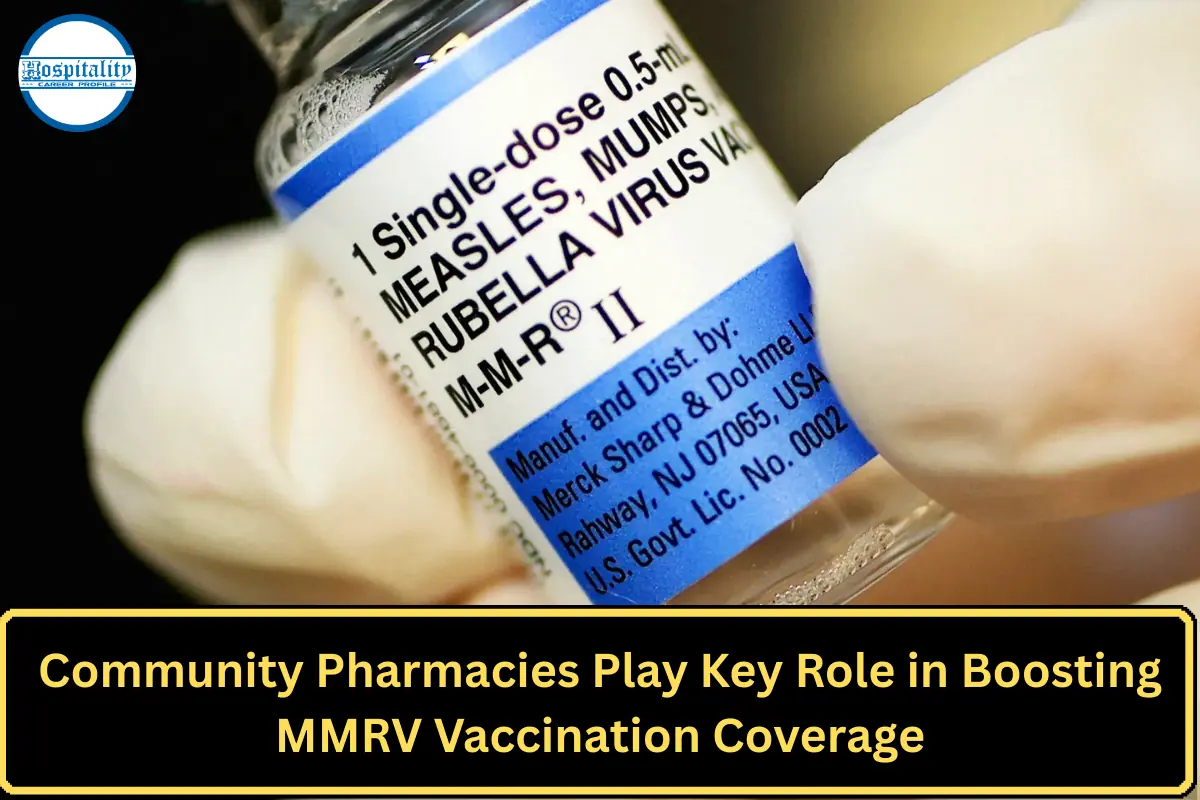
Community pharmacies are emerging as important access points for improving uptake of the MMRV vaccine, which protects against measles, mumps, rubella, and varicella (chickenpox).
Healthcare leaders note that expanding vaccination services to pharmacies increases convenience for families, reduces pressure on primary care clinics, and supports broader public health immunization goals.
Expanding Access and Convenience
Pharmacies often offer extended hours, walk-in appointments, and accessible locations within communities. These factors can help address barriers such as scheduling difficulties and travel constraints that may otherwise limit vaccination uptake.
By integrating immunization services into routine pharmacy operations, providers can reach underserved populations and contribute to closing coverage gaps.
Supporting Public Health Targets
Maintaining high MMRV vaccination rates is critical to preventing outbreaks of highly contagious diseases such as measles. Public health authorities have emphasized the importance of accessible vaccination pathways to sustain herd immunity.
Pharmacists, working in coordination with local health systems, are helping track immunization records, provide education to parents, and ensure appropriate vaccine administration.
Strengthening Collaborative Care
Experts suggest that closer collaboration between pharmacies, general practitioners, and public health agencies can further enhance vaccine delivery efficiency and data sharing.
As healthcare systems continue to adapt to rising demand and evolving public health challenges, community pharmacies are expected to remain a vital component of immunization strategies.