Cuba’s Healthcare System Struggles Under Energy Crisis and Longstanding US Embargo
Cuba’s healthcare system faces mounting strain amid an energy crisis and the continuing impact of the US embargo, affecting hospitals, medical supplies, and patient care.
 Akanksha jain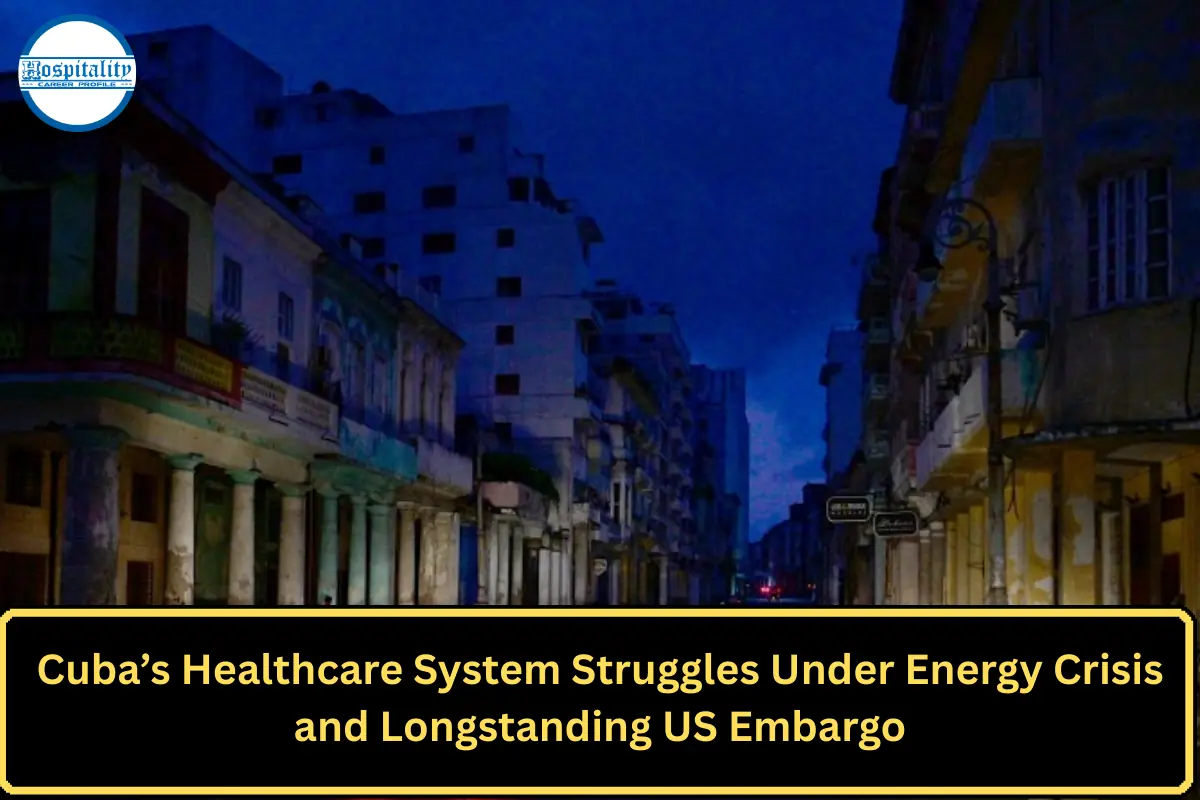
Cuba’s once widely praised healthcare system is facing growing challenges as the country grapples with an ongoing energy crisis and the long-term effects of the United States embargo. Frequent power outages, fuel shortages, and limited access to imported medical supplies are placing additional pressure on hospitals and clinics nationwide.
The island nation has long emphasized universal healthcare, investing heavily in primary care and preventive medicine. However, worsening economic conditions and infrastructure constraints are complicating service delivery, particularly in specialized and hospital-based care.
Energy Shortages Disrupt Medical Services
Electricity blackouts and fuel scarcity have affected the functioning of medical facilities. Hospitals rely on stable power for operating rooms, refrigeration of medicines and vaccines, diagnostic imaging equipment, and life-support systems.
Backup generators help mitigate some disruptions, but fuel shortages can limit their reliability. Healthcare workers report that outages complicate routine procedures and delay non-emergency services.
Impact of the US Embargo
Cuban officials attribute many supply constraints to the decades-old US embargo, which restricts trade and financial transactions. The limitations can make it difficult to import certain medical technologies, spare parts, and pharmaceutical ingredients.
Critics argue that domestic economic management challenges also contribute to shortages. Regardless of the cause, patients have reported difficulties accessing some medications and medical supplies.
Strain on Medical Personnel
The crisis has also affected healthcare professionals. Economic hardship and migration have led to workforce shortages in some areas. The remaining staff often work extended hours under constrained conditions.
Despite these challenges, Cuba continues to maintain a strong primary care network and medical training system. Community-based services remain central to the country’s healthcare model.
Broader Economic Pressures
The healthcare sector’s difficulties reflect broader national challenges, including inflation, reduced tourism revenue, and infrastructure deterioration. Energy shortages, in particular, have had ripple effects across multiple sectors, compounding healthcare disruptions.
Observers note that stabilizing energy supply and improving access to medical imports will be critical to maintaining service standards. As Cuba navigates economic headwinds, the resilience of its healthcare system remains under close international scrutiny.